Extreme Curry: Bold Flavors, Spices, and How to Master Them
When you hear extreme curry, a deeply spiced, intensely flavored Indian dish built on layered aromatics and heat. Also known as hot curry, it’s not about burning your tongue—it’s about making every bite unforgettable. This isn’t the mild, creamy curry you get at chain restaurants. This is the kind that wakes you up, makes you sweat, and leaves you coming back for more. It’s the curry your grandmother made when she wanted to prove she still had fire in her kitchen.
What makes curry spices, the core blend of dried seeds, roots, and pods that form the backbone of Indian cooking so powerful? It’s not just chilies. It’s the way turmeric deepens the color, cumin seeds crackle in hot oil, and curry leaves burst with citrusy aroma when fried. curry base, the foundational layer of sautéed onions, garlic, ginger, and tomatoes that holds the spices together is where flavor starts—and where most people fail. Skip the slow fry, and your curry tastes flat, even if you dump in a whole bottle of chili powder.
And here’s the secret: curry flavor, the complex, balanced profile that comes from roasting, grinding, and layering spices over time doesn’t come from one ingredient. It’s the dance between fenugreek’s slight bitterness, mustard seed’s sharp pop, and the warmth of cardamom. People think extreme means more heat. But the best extreme curries balance heat with acidity—think tamarind or lemon—and richness from coconut milk or ghee. That’s why you’ll find recipes here that show you how to turn up the spice without destroying the soul of the dish.
You won’t find fake shortcuts here. No pre-made curry powder that tastes like dust. Instead, you’ll see how real cooks in Mysore build flavor from scratch—how they toast whole spices in a dry pan until they smell like heaven, how they grind them fresh, how they know exactly when the oil separates and the base is ready. You’ll learn why adding lemon at the end lifts the whole dish, why some curries need coconut milk to tame the fire, and why blending onions isn’t always better—it can make your curry muddy if you’re not careful.
Some of these recipes come from families who’ve made the same curry for generations. Others are modern twists that still honor the roots. Whether you’re trying to fix a bland curry, dial up the heat without burning it, or just understand why your last attempt tasted like a warning sign—this collection has your answer. No fluff. No guessing. Just clear, tested ways to make your extreme curry taste like it came straight from a kitchen in southern India.
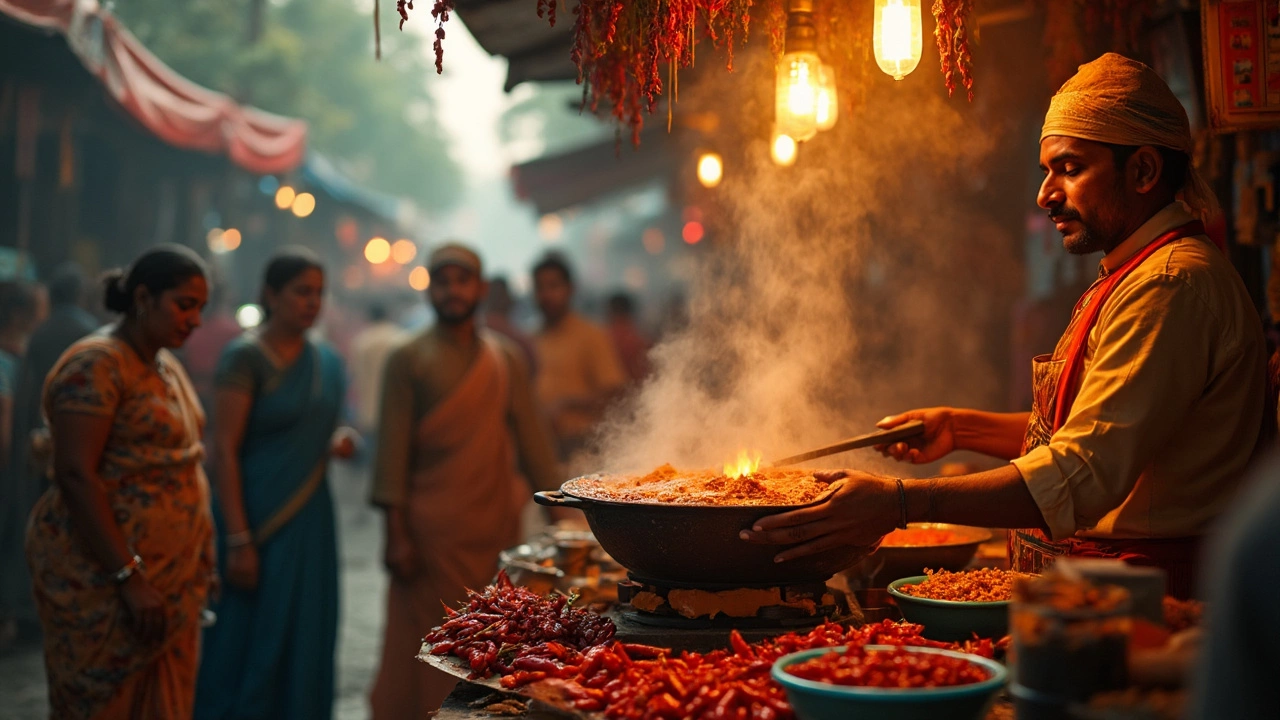
Hottest Indian Curry: What Makes Phaal the King of Heat?
Curious which Indian curry holds the title for the most tongue-scorching? This article gets straight into the world of street food spice, spotlighting the infamous Phaal curry and why it burns its way to the top. We’ll look at its origins, what goes inside, how it compares to other spicy dishes, and how street food fans handle the burn. Plus, I’ll share some tips if you ever want to try the hottest curry yourself.
learn more