Expiry Dates: How Long Do Indian Foods Really Last?
When you make a batch of Indian sweets, traditional desserts like laddoo, jalebi, or phool jhadi that are often made with sugar, ghee, and nuts, do you know how long they’ll stay safe to eat? Or what happens when your dosa batter, a fermented mix of rice and urad dal used to make crispy South Indian pancakes sits in the fridge too long? These aren’t just cooking questions—they’re safety questions. Many people assume if it looks fine, it’s fine. But food spoilage, the process where bacteria, mold, or enzymes break down food and make it unsafe doesn’t always show up as sour smell or slimy texture. Sometimes, it’s just a loss of flavor, a change in texture, or a subtle off-note you can’t quite place.
Take curry storage, how cooked Indian curries with spices, coconut milk, or dairy are kept after preparation. A curry made with fresh coconut milk can separate or curdle if left out too long, even if it doesn’t smell bad. Leftover biryani? The rice can dry out and harden, but that doesn’t mean it’s still safe—it’s just stale. And what about chutney? A jar of tamarind or mint chutney in the fridge might last weeks, but if it’s been sitting in a warm kitchen for two days, it could be breeding bacteria you can’t see. The real issue isn’t just expiration labels—it’s understanding how traditional ingredients behave without preservatives. Unlike packaged snacks, Indian foods rely on natural fermentation, oil, sugar, and spice for preservation. That means their timelines are different. You don’t need a date stamp to know your dosa batter is ready—it’s ready when it smells tangy and doubles in size. But if it’s been five days and smells sourer than vinegar, it’s past its prime. Same with lentil dal: if it’s been sitting out overnight, even if it’s still warm, it’s risky. The science isn’t complicated, but the rules aren’t written on the jar.
You’ll find answers to all these questions in the posts below. We’ve pulled together real stories from kitchens—what went wrong, what worked, and what you should never risk eating. Whether you’re storing leftover biryani, checking your sweet box, or wondering if last week’s chutney is still good, you’ll get straight facts. No fluff. No myths. Just what you need to know to cook safely, waste less, and eat with confidence.
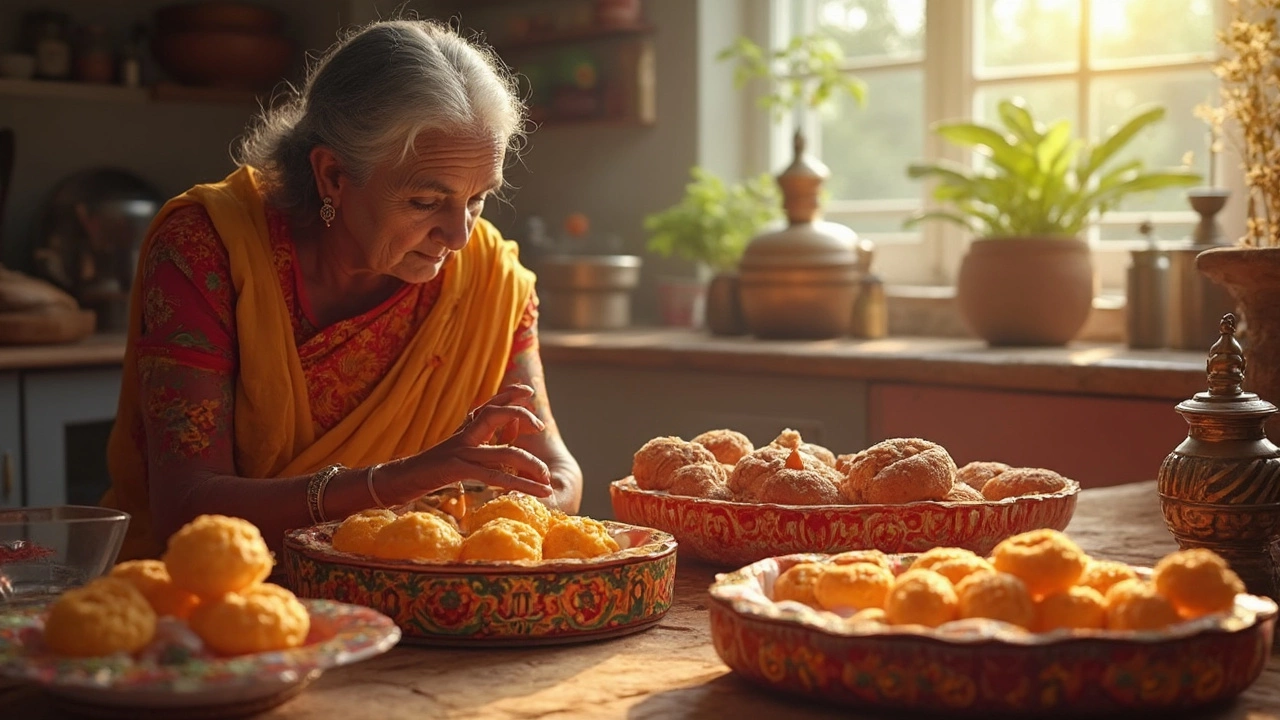
Can You Eat Sweets 2 Years Out of Date? A Look into Expiry Mysteries
Ever wondered what happens if those delicious Indian sweets in the back of your cupboard are still good after their expiry date? This article dives into the specifics of whether sweets can be safely eaten two years out of date. We explore the science behind expiration dates, what signs to watch for in spoiled sweets, and how traditional Indian ingredients affect longevity. Learn useful storage tips that may extend the sweets' shelf life.
learn more