Eating Old Paneer: Is It Safe and What to Do Instead
When you open your fridge and find a block of paneer, a fresh, unaged Indian cheese made from curdled milk. Also known as cottage cheese, it's a staple in Indian kitchens for its soft texture and ability to soak up spices. But what if it’s been sitting there for a few days? Eating old paneer isn’t always a mistake—but it can be risky if you can’t tell the difference between aging and spoilage.
Paneer doesn’t have a long shelf life. Freshly made paneer lasts about 3 days in the fridge if stored in water and changed daily. If it’s dry-packed, it might last 4–5 days. Beyond that, it starts to go bad. The signs aren’t subtle: a sour smell like spoiled milk, a slimy surface, or visible mold spots—especially green or gray fuzz—are clear red flags. Unlike aged cheeses, paneer isn’t meant to develop complex flavors over time. It’s meant to be eaten fresh. If it’s been in your fridge for over a week, even if it looks okay, it’s safer to toss it. People have gotten sick from eating paneer that looked fine but had hidden bacteria.
Some folks try to salvage old paneer by boiling it or frying it hard. That doesn’t kill all the bad bacteria—it just changes the texture. And if the paneer already has off flavors, cooking won’t fix that. Instead, use paneer right after buying or making it. If you have extra, freeze it. Cut it into cubes, pat them dry, and freeze in a single layer on a tray before bagging. Frozen paneer lasts up to 3 months and works fine in curries once thawed. You can also make paneer dishes ahead—like paneer tikka or palak paneer—and freeze the cooked meal. That’s smarter than keeping raw paneer too long.
Paneer is part of a bigger picture: how Indians handle dairy safely every day. It’s linked to other staples like dosa batter, a fermented mix of rice and urad dal, which also needs proper timing and storage to stay safe. Just like under-fermented batter can cause stomach issues, old paneer can too. And if you’ve ever wondered why Indian sweets, like jalebi or laddoo have such short shelf lives, it’s the same reason—fresh ingredients, no preservatives, and a culture that values flavor over longevity.
There’s no magic trick to make old paneer safe again. No amount of spice, heat, or sauce can undo spoilage. But you can avoid the problem entirely by planning ahead. Buy less, use faster, or freeze smart. The recipes below show you how to use paneer at its best—crispy, creamy, and safe. Whether you’re making paneer butter masala, stuffing it in parathas, or grilling it with spices, you want it fresh. Because when it comes to paneer, the best flavor isn’t the one that lasts longest—it’s the one you eat while it’s still good.
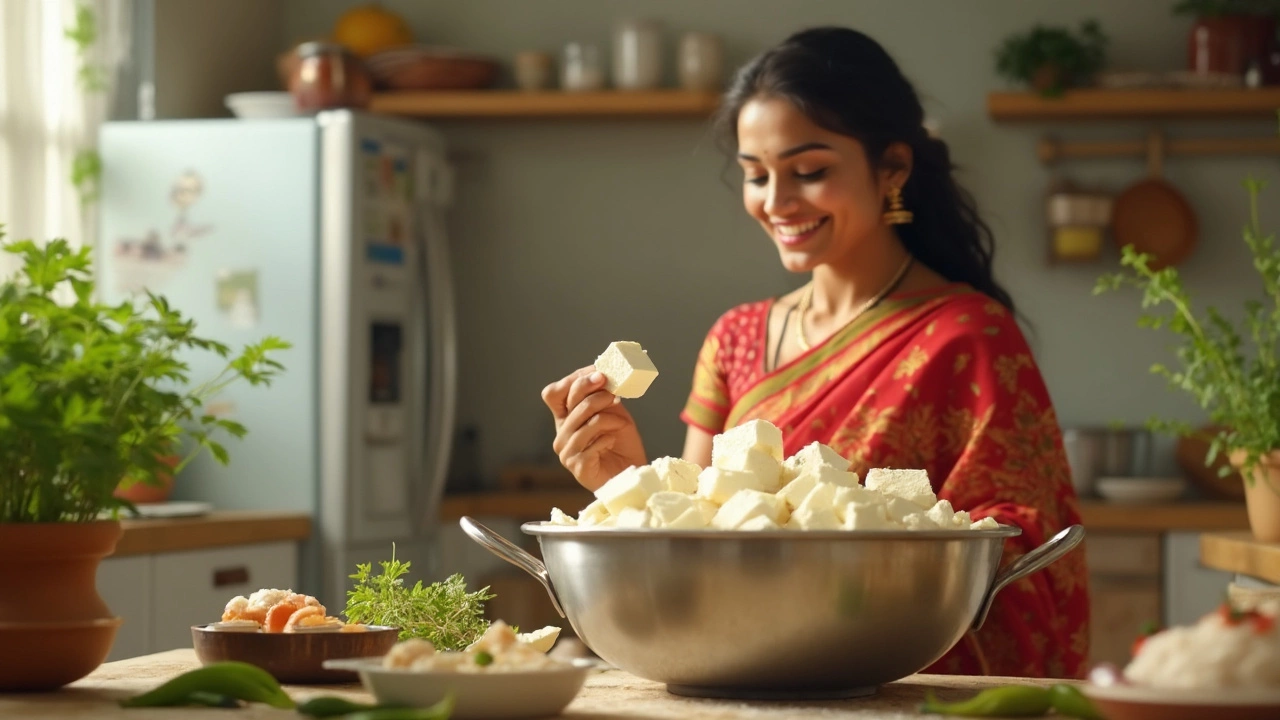
Can We Eat 10 Days Old Paneer? Homemade Paneer Safety Unpacked
Wondering if that 10 days old homemade paneer in your fridge is still safe to eat? This guide digs into how long homemade paneer really lasts, what risks come with eating old paneer, and how to spot spoiled cheese. Get the truth on keeping your paneer safe and tasty at home, plus smart tips for storing it longer.
learn more