Eating Ice Cream: What It Really Means in Indian Homes
When you think about eating ice cream, a universal treat enjoyed across climates and cultures. Also known as frozen dessert, it’s more than just a cooling snack—it’s a moment of joy, often shared during festivals, after meals, or on hot afternoons. In India, it’s not just about the flavor. It’s about the sound of the cart rolling down the street, the way the vendor scrapes the scoop from a tin, the smell of cardamom or rosewater mixing with the cold sweetness. It’s the same joy you feel when biting into a warm jalebi or licking a kulfi from a clay pot.
Indian ice cream, often called kulfi. Also known as traditional frozen dessert, it’s denser, slower to melt, and packed with flavors like saffron, pistachio, and malai. Unlike Western ice cream, kulfi isn’t churned—it’s slowly frozen in molds, giving it a rich, creamy texture that sticks to your spoon. You’ll find it sold by street vendors in Mysore, Delhi, and Chennai, wrapped in cloth to keep it cool. It’s not fancy. It’s not marketed. It’s just there, always, in the same way that idli is for breakfast or dal is for dinner.
Street ice cream, the kind you buy from a cart with no name, no logo, just a tin and a wooden paddle. Also known as local frozen treat, it’s where culture meets convenience. Kids chase it after school. Couples share a single cone on a summer evening. Grandparents buy it for their grandkids as a small reward. It’s not about calories or brands. It’s about the ritual. And that’s why you’ll find stories here about how people eat it—with mango pulp, with falooda, with crushed nuts, or straight from the stick. You’ll also find how it connects to other Indian sweets, like traditional Indian sweets, handmade desserts like jalebi, laddoo, and phool jhadi. Also known as mithai, these treats often share ingredients and occasions with ice cream. Phool jhadi, the cotton-candy-like sweet, is made with sugar and rosewater—just like some kulfi flavors. The same cardamom that flavors biryani also shows up in ice cream.
Eating ice cream in India doesn’t happen in isolation. It’s part of a bigger food rhythm. It follows dosa and chutney. It comes after a spicy curry. It’s the quiet ending to a loud meal. And while you won’t find it in every recipe here, you’ll see its spirit in how people treat food—with care, with memory, with love. The posts below aren’t about ice cream recipes. They’re about how food connects us. Whether it’s the perfect dosa batter, the right way to use chutney, or why lemon makes biryani sing—each one is a small piece of the same table. And somewhere, on that table, there’s always a spoon waiting for ice cream.
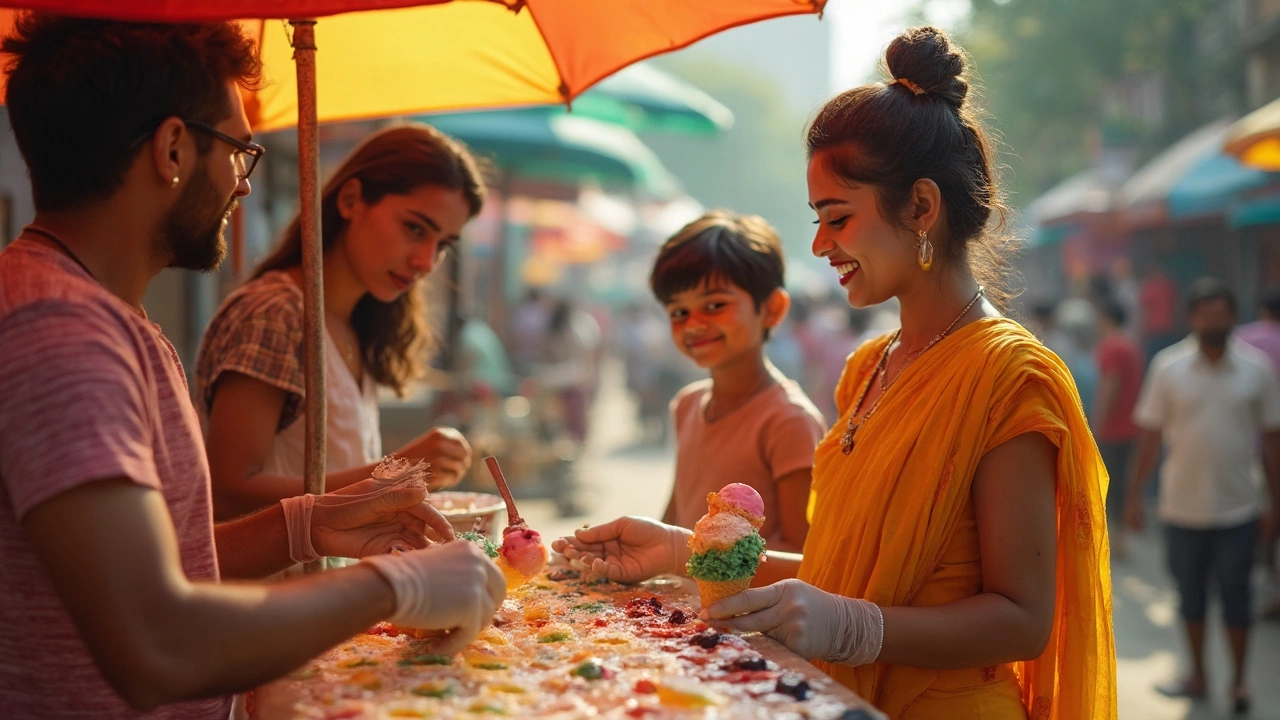
Is It Okay to Eat Ice Cream in India? Street Food Safety Guide
Ice cream on Indian streets looks tempting, but is it safe to eat? This article breaks down what you need to know about hygiene, quality, and common risks. Learn how to spot the good spots and avoid sticky situations. Tips and facts included, straight from local experiences and real stories. Stay cool and make sure your treat is worry-free.
learn more