Eating Habits in India: Daily Foods, Regional Patterns, and Traditional Routines
When we talk about eating habits in India, the consistent, daily patterns of food consumption shaped by culture, climate, and generations of tradition. Also known as Indian dietary routines, it’s not about fancy restaurant dishes—it’s what shows up on the plate before sunrise, at noon, and after sunset, across villages and cities alike. This isn’t a single pattern. It’s a mosaic. In the south, rice and lentils rule the morning. In the north, roti and dal are the quiet heroes. And everywhere, chutney, yogurt, and spices aren’t just garnishes—they’re essential partners in every meal.
What you eat in India depends less on trends and more on what’s been cooked the same way for decades. Indian staple foods, the foundational ingredients that form the backbone of daily meals—like rice, wheat, lentils, and millets—are rarely replaced. They’re the canvas. The spices, the vegetables, the chutneys? Those are the brushstrokes. You won’t find many households eating pasta or burgers for breakfast. Instead, you’ll find idli, poha, or upma—simple, fast, and packed with flavor. And it’s not just about taste. These foods are chosen for how they make you feel: light, energized, and easy on the stomach. That’s why dosa batter ferments overnight—it’s not a ritual, it’s science. That’s why lemon is squeezed into biryani—it’s not decoration, it’s balance.
Indian breakfast, the first meal of the day that varies by region but always centers on fermented grains, lentils, or flatbreads isn’t cereal or toast. It’s often steamed rice cakes, crispy lentil crepes, or spiced semolina porridge. And it’s not a snack—it’s the fuel that powers the day. Even in busy cities, people make time for it. Why? Because it works. These meals are designed to digest slowly, keep hunger away, and match the heat. Meanwhile, traditional Indian meals, the structured, multi-component plates that combine carbs, protein, vegetables, and condiments in one sitting follow a rhythm you won’t find in Western dining: a little of everything, eaten together, in a specific order. The rice comes after the dal. The pickle comes at the end. The yogurt cools the spice. It’s not random. It’s designed.
What’s missing from most global views of Indian food? The quiet, daily reality. No one’s eating butter chicken for breakfast. No one’s having paneer tikka with tea. The real food is simple, humble, and repeated every single day. And that’s what makes it powerful. The recipes you’ll find here aren’t for special occasions. They’re for Monday mornings, rainy afternoons, and tired evenings. They’re the meals that feed families across thousands of towns. You’ll learn why dosa batter fails, why lemon in biryani isn’t optional, how chutney pairs with everything from cheese to samosas, and which ingredients show up in 90% of Indian kitchens. This isn’t about exoticism. It’s about understanding what’s real—and what really sustains a country.
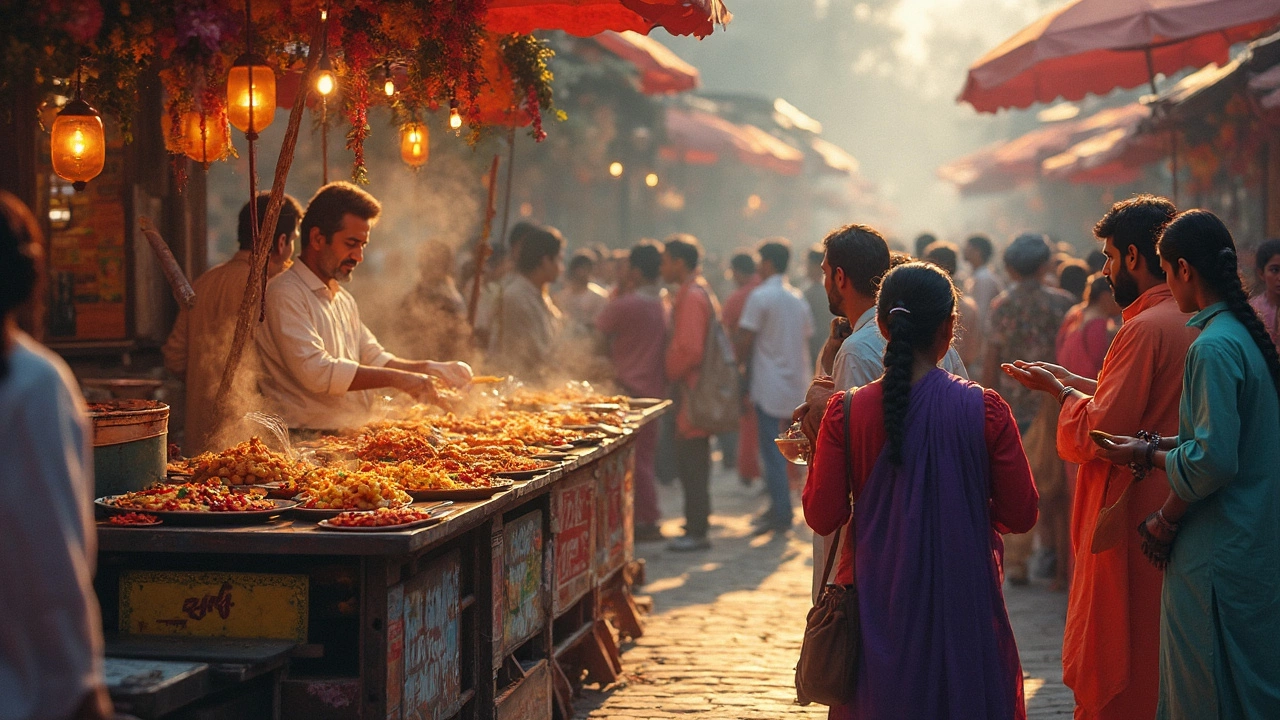
Street Food Adventures in India: Discovering Local Flavors
Dive into the vibrant world of Indian street food, where bold flavors, unique textures, and cultural influences blend to create an unforgettable culinary experience. Explore how diverse regions offer their own specialties, from the bustling streets of Delhi to the beachside stalls in Kerala. Learn about popular snacks, hygiene tips, and the art of ordering like a local. Discover why these roadside delights are a true reflection of India's gastronomic soul.
learn more