Easy Healthy Snacks India: Simple, Traditional Snacks for Daily Energy
When you think of easy healthy snacks India, simple, nourishing foods made with everyday ingredients like rice, lentils, and spices that are common in South Indian homes. Also known as Indian street snacks, these foods aren’t fancy—they’re the quiet heroes of daily life, eaten by millions before work, between meals, or after school. They don’t need fancy equipment or long prep. You don’t need to buy expensive superfoods. Just a pan, some rice or lentils, a bit of oil, and spices you already have.
These snacks are built on tradition, not trends. Think dosa, a fermented rice and urad dal batter cooked thin and crispy, often served with coconut chutney, or poha, flattened rice lightly sautéed with mustard seeds, curry leaves, and turmeric. They’re not just snacks—they’re breakfasts, afternoon picks, and even light dinners. You’ll find them in homes across Karnataka, Tamil Nadu, and Andhra Pradesh, where cooking is about using what’s fresh, what’s local, and what keeps you going.
What makes these snacks truly healthy? They’re often made without refined sugar, white flour, or deep-frying. Many use whole grains, legumes, and natural fermentation to boost digestion and energy. A bowl of upma, a savory semolina dish cooked with vegetables and spices gives you slow-releasing carbs and protein. A handful of roasted chana or spiced peanuts delivers fiber and crunch without the guilt. Even something as simple as a slice of idli with sambar is a balanced bite—carbs, protein, and flavor in one.
These snacks aren’t just about nutrition. They’re about rhythm. They fit into busy mornings, long workdays, and quiet evenings. They don’t require a recipe book—just a sense of what works. If your dosa isn’t crispy, it’s not because you’re bad at cooking. It’s because the batter needs more time, the pan needs to be hotter. If your lentils make you bloated, it’s not the lentils—it’s how they were soaked or cooked. The fixes are simple, and the answers are in the tradition.
What you’ll find in the posts below isn’t a list of trendy superfood snacks. It’s the real stuff—what people in Mysore and beyond eat every day. You’ll learn why lemon makes biryani taste better, how to fix soft dosas, what makes chutney pair perfectly with snacks, and why turmeric isn’t just a spice—it’s a daily habit. These aren’t recipes for special occasions. They’re the quiet, reliable foods that keep families fed, energized, and happy.
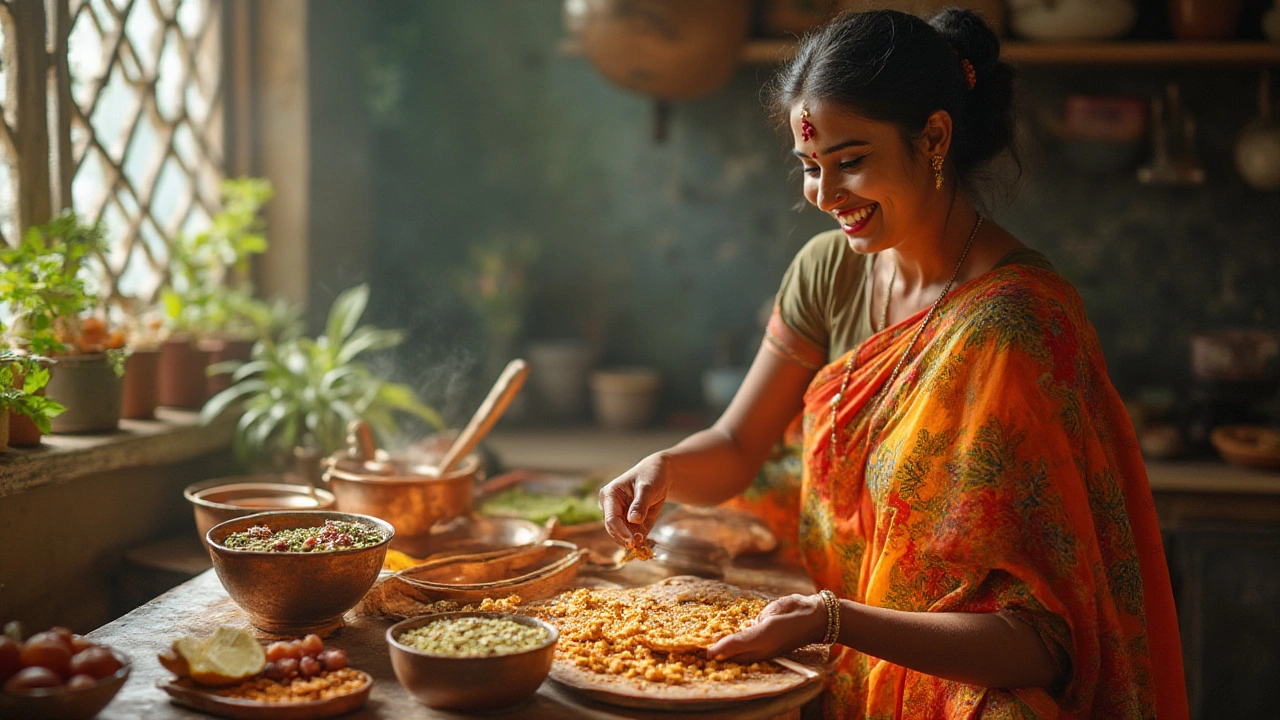
Discover the Healthiest Indian Snack: Benefits, Variations, and Tips
What’s the healthiest Indian snack? Dig into nutrition-packed options, expert tips, tasty facts, and practical, real-life hacks for guilt-free snacking any time.
learn more