Easy Dal Tips: Simple Ways to Cook Lentils Without Gas or Grit
When you think of dal, a staple South Indian dish made from cooked lentils, often served with rice or roti. Also known as lentil stew, it's one of the most eaten foods in India—not because it's fancy, but because it's filling, cheap, and easy to make. But if your dal turns out gassy, mushy, or bland, you’re not doing anything wrong—you’re just missing a few key steps.
Most people skip the prep work and just boil lentils straight from the bag. That’s why their dal causes discomfort or falls apart. The truth? lentils, small, protein-rich legumes like toor dal, moong dal, and urad dal need soaking, rinsing, and the right spices to unlock their full potential. You don’t need fancy tools—just a pot, some time, and a pinch of hing. Soaking for 30 minutes cuts cooking time and reduces gas. Rinsing removes dust and starch that makes dal slimy. And adding a pinch of asafoetida (hing) while tempering? That’s the secret many Indian grandmothers swear by to keep your stomach happy.
Pressure cooking is another game-changer. Boiling dal on low heat for an hour? Unnecessary. A good pressure cooker gets it done in 10–15 minutes, and the texture stays perfect. Pair that with a simple tempering of mustard seeds, curry leaves, and garlic in hot oil, and you’ve got dal that tastes like it came from a Mysore kitchen. You don’t need cream, butter, or extra sugar. The flavor comes from clean ingredients and smart timing.
And if you’ve ever wondered why your dal tastes flat, it’s probably because you added salt too early. Salt toughens lentils if added at the start. Wait until the end. Same goes for tomatoes—they can make dal sour if added too soon. Add them after the dal is soft, and let them simmer gently. These aren’t tricks. They’re just how it’s done in homes where dal is cooked every single day.
What you’ll find below are real, tested tips from people who cook dal for a living—or for their families every morning. No fluff. No theory. Just the exact steps that fix soft dal, cut gas, speed up cooking, and make every bowl taste better than the last. Whether you’re new to Indian cooking or just tired of stomach trouble after lunch, these are the easy dal tips that actually work.
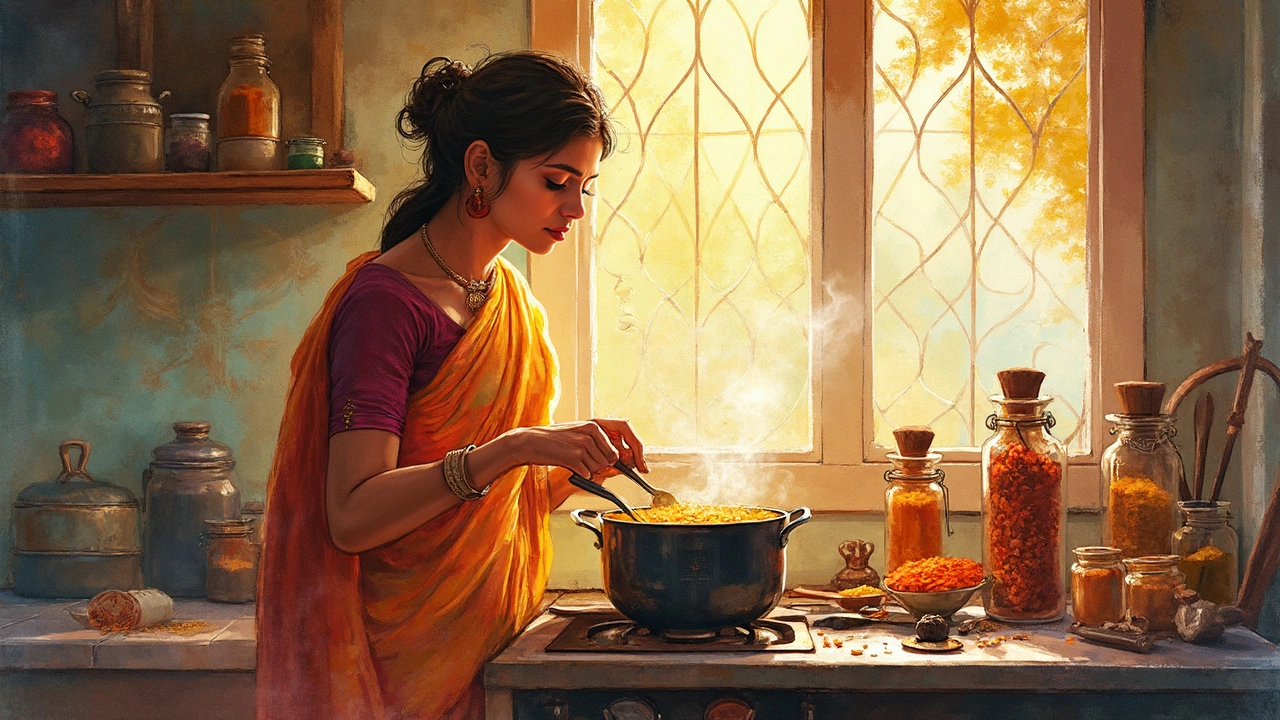
Can We Make Dal Without a Cooker? Easy Ways to Cook Dal
You don't need a fancy pressure cooker to whip up dal at home. This article explains how you can cook dal on the stovetop using everyday pots, with tips for faster cooking and better flavor. Learn how different types of dal behave without a cooker and how to get that comforting taste without any special gadgets. Get practical advice, surprising facts, and no-nonsense steps for making perfect dal the simple way. Even if you’re tight on time or kitchen tools, you can enjoy homemade dal with just a few tweaks.
learn more