Dosa Troubleshooting: Fix Soggy, Sticking, or Unfermented Dosa Batter
When your dosa, a thin, crispy South Indian fermented crepe made from rice and urad dal batter. Also known as dose, it’s a breakfast staple across India and beyond. turns out soggy, sticks to the pan, or doesn’t rise at all, it’s not your fault—it’s usually one of five simple mistakes. Most people blame the recipe, but the real issue is often timing, temperature, or batter texture. You don’t need fancy equipment or exotic ingredients. You just need to understand how the batter behaves.
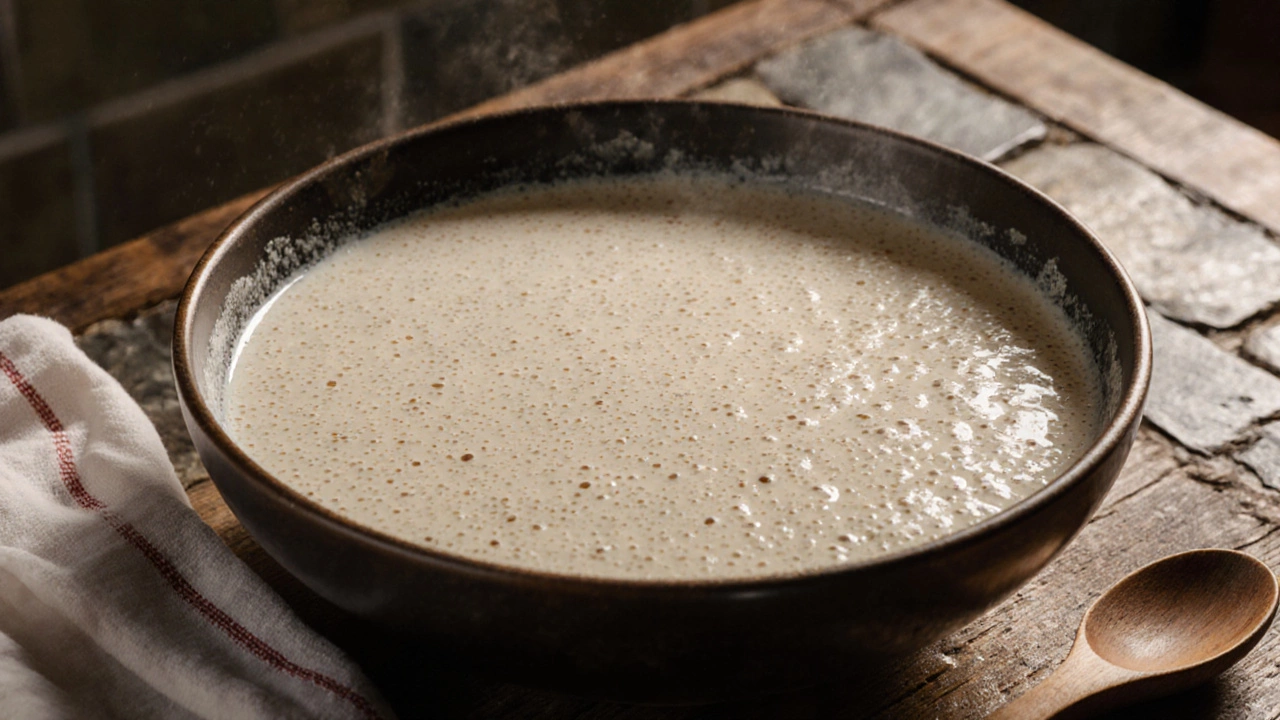
The heart of every good dosa is the dosa batter, a fermented mix of rice and black gram (urad dal), typically in a 3:1 ratio, left to rise overnight. If it doesn’t ferment right, nothing else matters. Fermentation isn’t magic—it’s bacteria doing their job. Warmth is key. In winter, keep the batter near a warm appliance or in an oven with the light on. In monsoon, wait an extra day. If your batter smells sour but hasn’t doubled, it’s still usable—just add a pinch of rice flour to thicken it. And never use metal bowls. Aluminum or stainless steel can slow fermentation. Glass or plastic is better.
Then there’s the pan. A cast iron tawa is ideal, but a non-stick pan works if it’s well-seasoned. Too much oil? Your dosa turns greasy. Too little? It sticks. The trick is to heat the pan until a drop of water sizzles and evaporates instantly. Then wipe it with a paper towel—just enough to leave a whisper of oil. Pour the batter from the outer edge and swirl it quickly. If it tears, your batter is too thick. If it spreads too fast and stays wet in the center, it’s too thin or under-fermented.
And don’t ignore the urad dal, the protein-rich lentil that gives dosa its fluff and crispness. If you skip soaking it long enough, or grind it too coarsely, you’ll get a dense, chewy dosa—not the light, airy one you want. Soak it for 4–6 hours, grind it to a smooth, fluffy paste, and mix it gently with the rice batter. Overmixing after fermentation kills the bubbles. Fold, don’t stir.
What about the classic problem: the dosa sticks? That’s usually the pan, not the batter. Clean your tawa after every use. Scrub it with salt and a cloth, then heat it dry. No soap. Over time, it builds a natural non-stick layer. If you’re still having trouble, try a drop of water on the hot pan before pouring. If it beads up and dances, you’re ready. If it hisses and vanishes fast, it’s too hot. Wait 30 seconds.
You’ll find posts here that break down the exact rice-to-dal ratio, why sugar doesn’t help fermentation, how to fix batter that smells off, and what to do when your dosa won’t crisp even after hours of waiting. No fluff. No myths. Just what works—tested in homes, not just kitchens with professional stoves. Whether you’re making dosa for the first time or have been trying for years, the fixes here are simple, cheap, and fast. No more wasted batter. No more soggy mornings. Just crispy, golden dosas that crack when you bite them.
Why Is My Dosa Soft and Not Crispy? Fix Your Batter and Technique
Soft dosa instead of crispy? It’s usually due to under-fermented batter, wrong consistency, or a cold pan. Learn how to fix your dosa recipe with simple steps for perfect crispness every time.
learn more