Dosa Fermentation: How to Get Perfect Crispy Dosa Every Time
When you make a dosa fermentation, the natural process where rice and lentil batter rises and develops tangy flavor through wild yeast and lactic acid bacteria. It's not just a step—it's the foundation of every great dosa. Skip it, or do it wrong, and you’ll end up with a soft, doughy pancake instead of the crisp, golden-edged favorite you’re after. This isn’t magic. It’s biology. And once you understand how it works, you can control it—no guesswork needed.
The batter itself is simple: rice, urad dal, salt, and water. But the magic happens when those ingredients sit together, usually overnight, in a warm spot. The dosa batter, a mixture of soaked and ground rice and black gram lentils, fermented to develop texture and flavor needs time, warmth, and patience. Too cold? Nothing happens. Too hot? It over-ferments and smells sour, not tangy. Too thin? Your dosa tears. Too thick? It won’t spread. And if you use a metal bowl? That can slow fermentation right down. The right container—glass or ceramic—makes a difference. So does the water temperature when grinding. Cold water keeps the batter cool, helping good bacteria thrive.
People think dosa fermentation is unpredictable. It’s not. It’s repeatable. If your dosa isn’t crispy, it’s almost always because the batter didn’t ferment enough—or the pan wasn’t hot enough. You can’t fix a bad batter with a hot tawa. You need both. And if your batter smells like alcohol or looks bubbly but won’t spread, you’ve gone too far. That’s over-fermentation. It’s fixable, but better to avoid. The sweet spot? A 12- to 18-hour window, depending on your kitchen. In winter? Use the oven with the light on. In summer? A sunny windowsill works fine. And never, ever refrigerate the batter before it’s done fermenting. Cold stops the process cold.
You’ll find dozens of dosa recipes online. But most skip the real issue: fermentation. The posts below don’t. They show you exactly what to look for in your batter, how to test if it’s ready, what tools help, and how to fix common mistakes. Whether you’re struggling with soft dosas, sticky batter, or uneven browning, the answers are here. No fluff. No theory. Just what works in real kitchens, day after day.
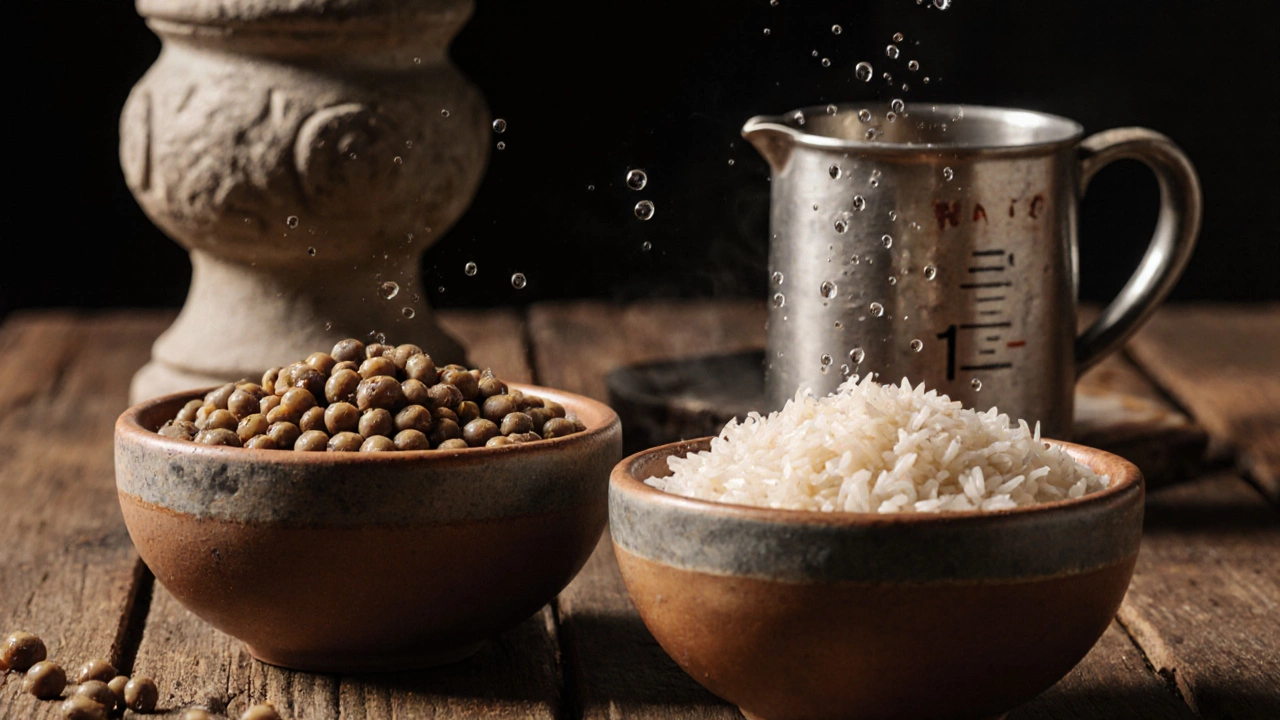
What Is the Ratio of Urad Dal to Rice for Perfect Dosa Batter?
The perfect dosa batter needs a 1:3 ratio of urad dal to rice. Learn why this ratio works, how to soak and ferment the batter, and how to avoid common mistakes for crispy, fluffy dosas every time.
learn more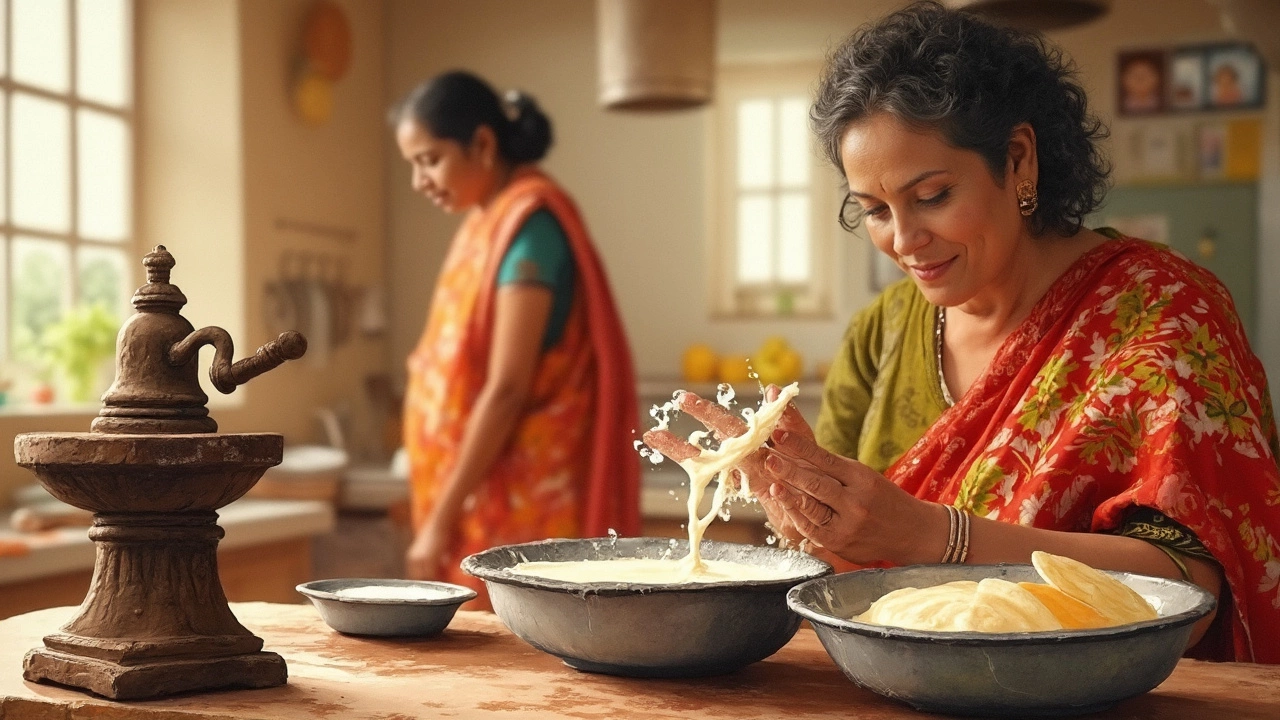
What Happens If We Add Curd to Dosa Batter? Insider Tips for Softer, Tastier Dosai
Ever wondered why some dosas turn out softer and more flavorful than others? Adding curd to dosa batter can work magic on fermentation and texture. This article unpacks the science and tradition behind using curd, with practical tips and troubleshooting tricks for every home cook. You’ll learn how to avoid common failures and make your dosas rival your favorite South Indian tiffin spot. Discover if curd is the missing secret in your dosa game.
learn more