Dosa: The Crispy South Indian Staple You Can Master at Home
When you think of South Indian breakfasts, dosa, a thin, crispy fermented crepe made from rice and urad dal batter. Also known as dose, it’s the breakfast that feeds millions across India—simple, satisfying, and endlessly adaptable. It’s not just food. It’s a ritual. The soaking, the grinding, the waiting for bubbles to form, the sizzle on a hot griddle. Get one step wrong, and you end up with a soft, sticky mess instead of that crisp, golden edge you crave.
The magic of dosa starts with the urad dal to rice ratio, the 1:3 ratio that makes fermentation work and texture perfect. Too much dal, and it turns gummy. Too little, and it won’t crisp up. Then there’s the dosa batter, a living mixture that needs warmth, time, and patience to ferment properly. If it doesn’t rise, your dosa won’t puff. If the pan’s too cold, it sticks. If the batter’s too thick, it’s doughy. These aren’t just tips—they’re rules. And the people who get it right? They know the difference between a good dosa and a great one.
You’ll find dozens of ways to mess this up. Over-soaking. Under-fermenting. Using a non-stick pan that’s too new. Skipping the salt. Adding water instead of letting the batter rest. But you’ll also find the fixes—real, tested ones. How to tell if your batter’s ready by the smell and the bubbles. Why a cast iron tawa beats a modern non-stick surface every time. What to do when your dosa turns out soft instead of crisp. This collection isn’t about theory. It’s about what actually works in your kitchen, day after day.
Whether you’re making masala dosa with spiced potatoes, plain dosa with coconut chutney, or experimenting with millet or oats, the core never changes. It’s the batter. The heat. The technique. And once you get it, you’ll never go back to store-bought. Below, you’ll find real fixes, real ratios, and real advice from people who’ve burned more dosas than they’ve served. No fluff. No guesswork. Just what you need to make the perfect one.
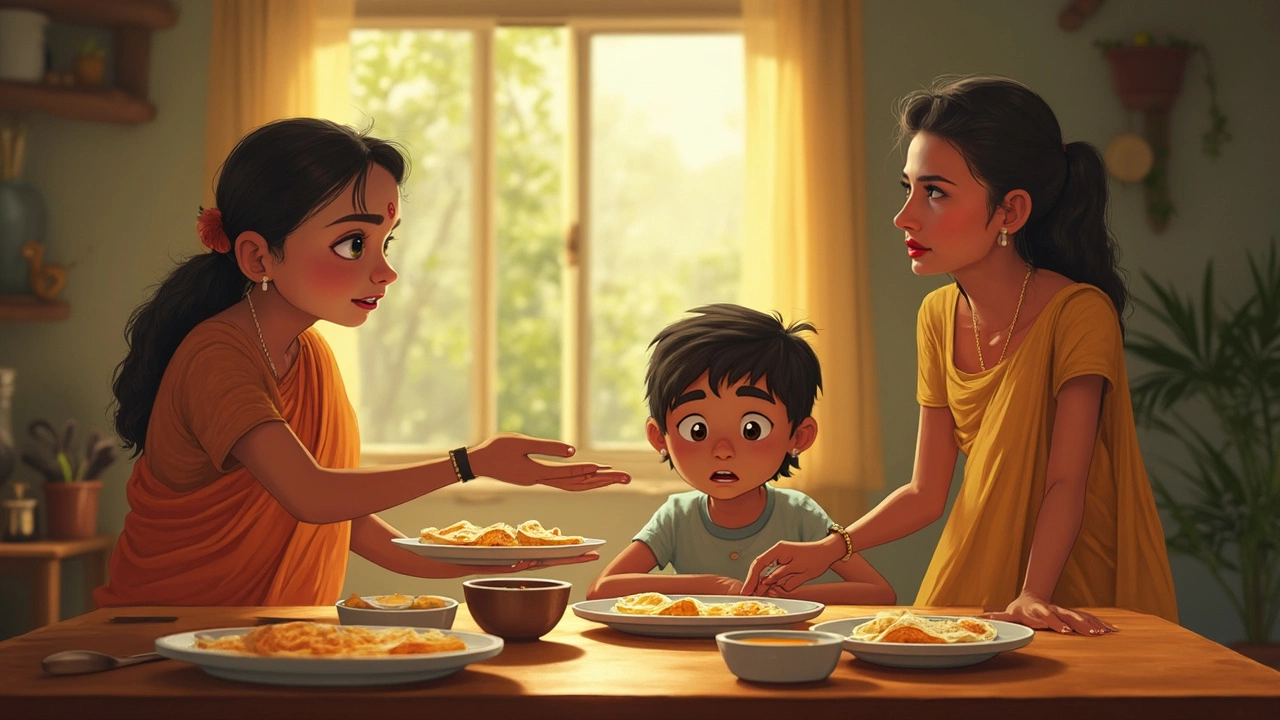
Why Do We Sleep After Eating Dosa? Simple Science Behind the Post-Meal Nap
Ever wondered why you feel sleepy after a plate of dosa? This article breaks down the science behind that post-dosa drowsiness. It covers what happens inside your body during digestion, how dosa ingredients play a role, and shares tips to avoid food comas without missing out on your favorite meal. You'll also find practical advice for making your meals lighter and managing your energy levels. It's all here, explained in everyday language.
learn more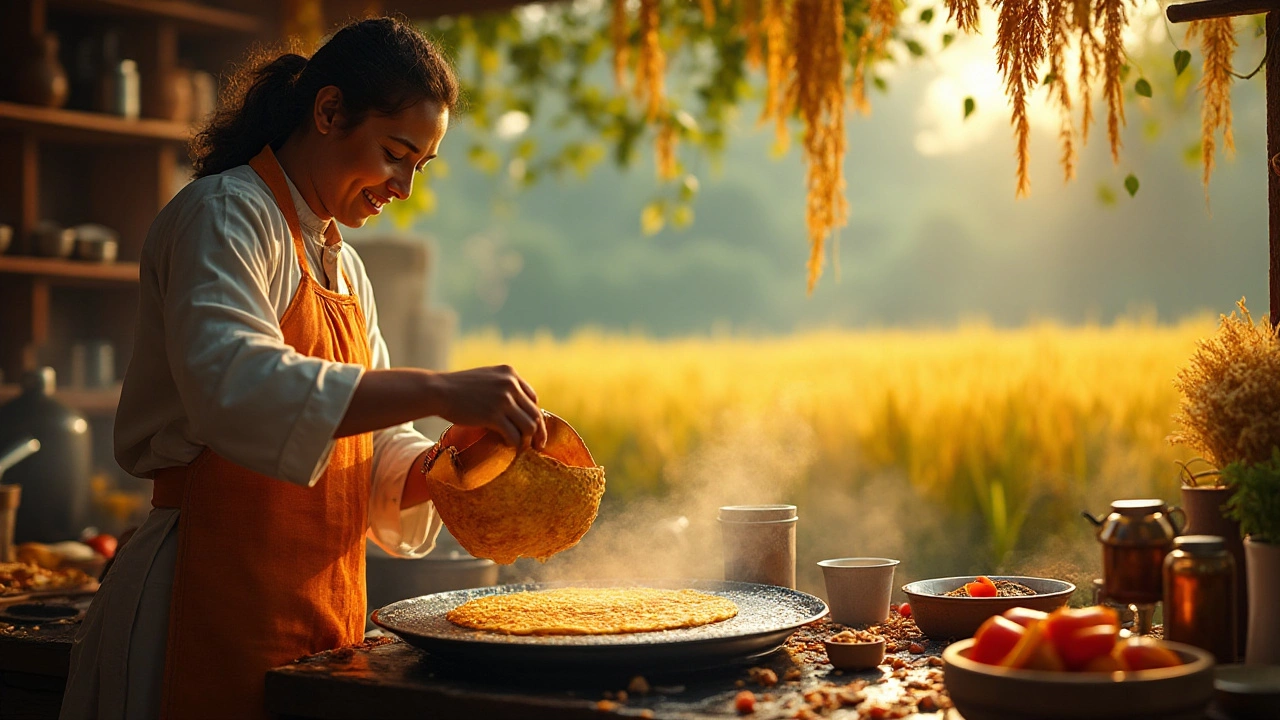
Dosa vs Rice: Which is the Healthier Choice?
Dosa, a beloved Indian crepe, often competes with rice as a staple in many meals. Both foods are made from similar ingredients but differ in preparation, nutritional content, and health benefits. Understanding the differences can help you make informed dietary choices. This article explores the nutritional facts and health benefits of dosa and rice, including interesting facts and tips on how to prepare healthy versions of these staples.
learn more