Disadvantages of Common Indian Cooking Mistakes
When you skip the right steps in Indian cooking, the disadvantages aren’t just about taste—they’re about wasted time, money, and trust in your own skills. Whether it’s a soggy dosa, a bland biryani, or a curry that curdles before it simmers, these aren’t random failures. They’re the direct result of ignoring basic rules that have been tested for generations. These mistakes aren’t just inconvenient; they change the entire experience of eating food that’s meant to be bold, balanced, and comforting.
Take dosa batter, a fermented mix of rice and urad dal that needs precise ratios and time to rise. Get the ratio wrong—say, too much rice or not enough fermentation—and you end up with a floppy, greasy disc instead of a crisp, golden one. It’s not that the recipe is hard. It’s that skipping the soak or rushing the ferment creates a cascade of disadvantages: poor texture, uneven cooking, and a loss of that signature tang that makes dosa irresistible. The same goes for biryani rice, a delicate grain that must be parboiled just right to stay separate and fragrant. Boil it too long and it turns to mush. Too short, and it’s crunchy in the final dish. That one-minute difference ruins the whole layering process, and no amount of spices can fix it.
Then there’s curry spices, the foundation of flavor that’s easily ruined by improper blooming or using stale powders. Many people dump curry powder straight into the pot, thinking it’s a shortcut. But without toasting the whole spices first or using fresh turmeric and cumin, you get flat, one-dimensional taste. The disadvantage here isn’t just dull food—it’s missing out on the deep, layered aroma that makes Indian curries unforgettable. Even something as simple as marinating chicken in a metal bowl can introduce a metallic aftertaste or uneven cooking, because the acid in yogurt reacts with the metal. These aren’t myths. They’re physical reactions that science confirms.
You’ll find all these pitfalls—and their fixes—in the posts below. No fluff. No theory. Just real problems people run into, and exactly how to solve them. Whether you’re struggling with dosa that won’t crisp, biryani that’s too wet, or curry that tastes like a shadow of what it should be, the answers are here. These aren’t advanced tricks. They’re the small, overlooked details that separate good cooking from great cooking.
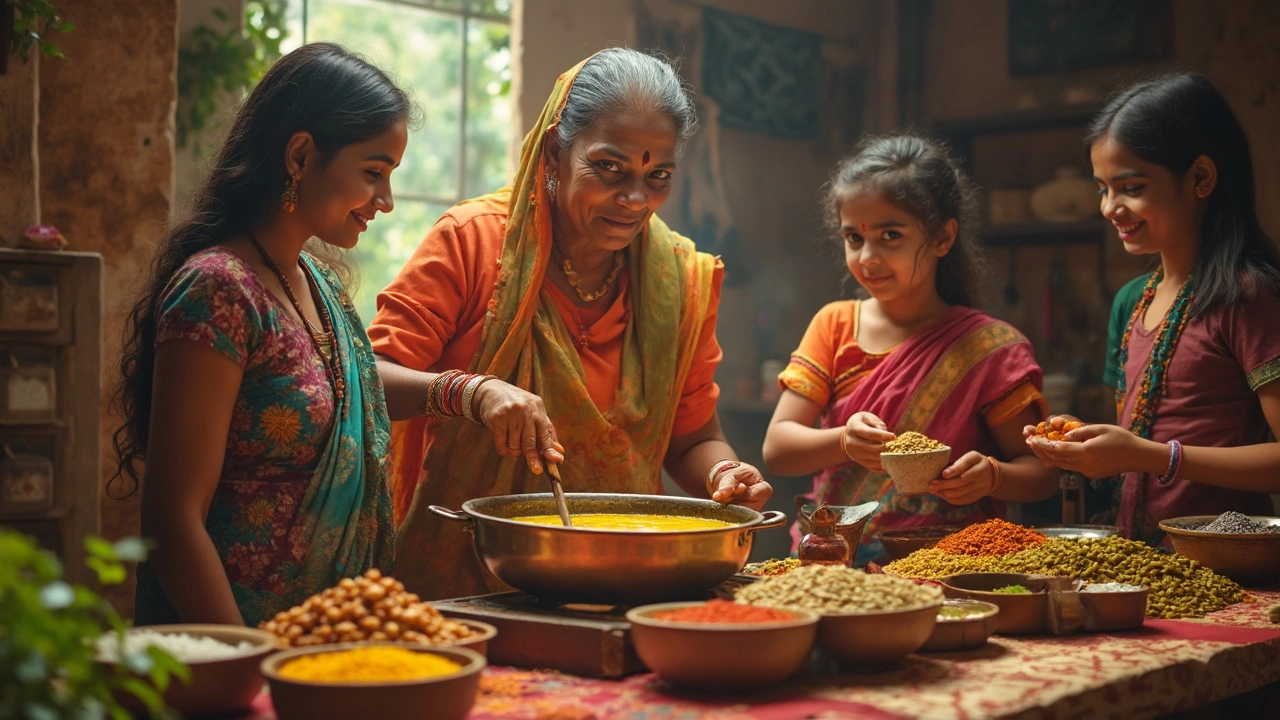
Disadvantages of Eating Dal Daily
While dal is a nutritious staple in many diets, eating it every day may have potential drawbacks. These can range from nutritional imbalances to digestive issues, depending on portion sizes and preparation methods. It's crucial to be mindful of how eating dal daily might affect protein diversity and micronutrient intake. The article explores these concerns and provides practical tips for integrating dal into a balanced diet. Understanding these aspects can help people enjoy dal without compromising their health.
learn more