Dinner Traditions India
When you think of dinner traditions India, the daily evening meals that shape how families across India eat, rest, and reconnect. Also known as Indian evening meals, these aren’t about elaborate feasts—they’re about rhythm, tradition, and food that sticks to your ribs after a long day. In most Indian homes, dinner isn’t the biggest meal of the day. That’s breakfast or lunch. Dinner? It’s quiet, simple, and built around what’s fresh, leftover, or easy to make after work. Think warm rice with dal, roti with a side of sabzi, or a bowl of upma with a spoon of pickle. No fancy plating. No Instagram moments. Just real food, eaten with hands, often under a flickering ceiling fan.
This is where South Indian dinner, the nighttime eating habits of Karnataka, Tamil Nadu, and Kerala. Also known as Karnataka evening meals, it often means steamed rice with sambar, coconut chutney, and a crispy papad. In North India, it’s more about roti, paneer curry, and a glass of buttermilk. But the pattern is the same: food that’s easy to digest, lightly spiced, and meant to settle you in for sleep. You won’t find heavy cream-based curries or fried snacks as the main course—those are for weekends or guests. Weekday dinners? They’re built on Indian staple foods, the daily basics like rice, lentils, flatbreads, and vegetables that feed over a billion people. Also known as Indian daily meals, these ingredients don’t change much from village to city. What changes is how they’re combined—sometimes with yogurt, sometimes with tamarind, always with a touch of mustard seed or curry leaf.
What you’ll find in the posts below isn’t a list of fancy recipes. It’s the truth behind what Indians actually eat after sunset. You’ll learn why lemon is added to biryani at night, how dosa batter gets its magic even when eaten for dinner, and why chutney isn’t just a side—it’s the flavor anchor of an entire meal. You’ll see how lentils are cooked to avoid bloating, why coconut milk doesn’t curdle in slow-cooked curries, and how simple ingredients like turmeric and cumin become the backbone of an evening meal that’s both comforting and healing. These aren’t trends. They’re habits passed down for generations. And if you’ve ever wondered why Indian dinners feel so different from Western ones, the answers are right here—not in restaurants, but in kitchens where the stove stays warm long after the sun goes down.
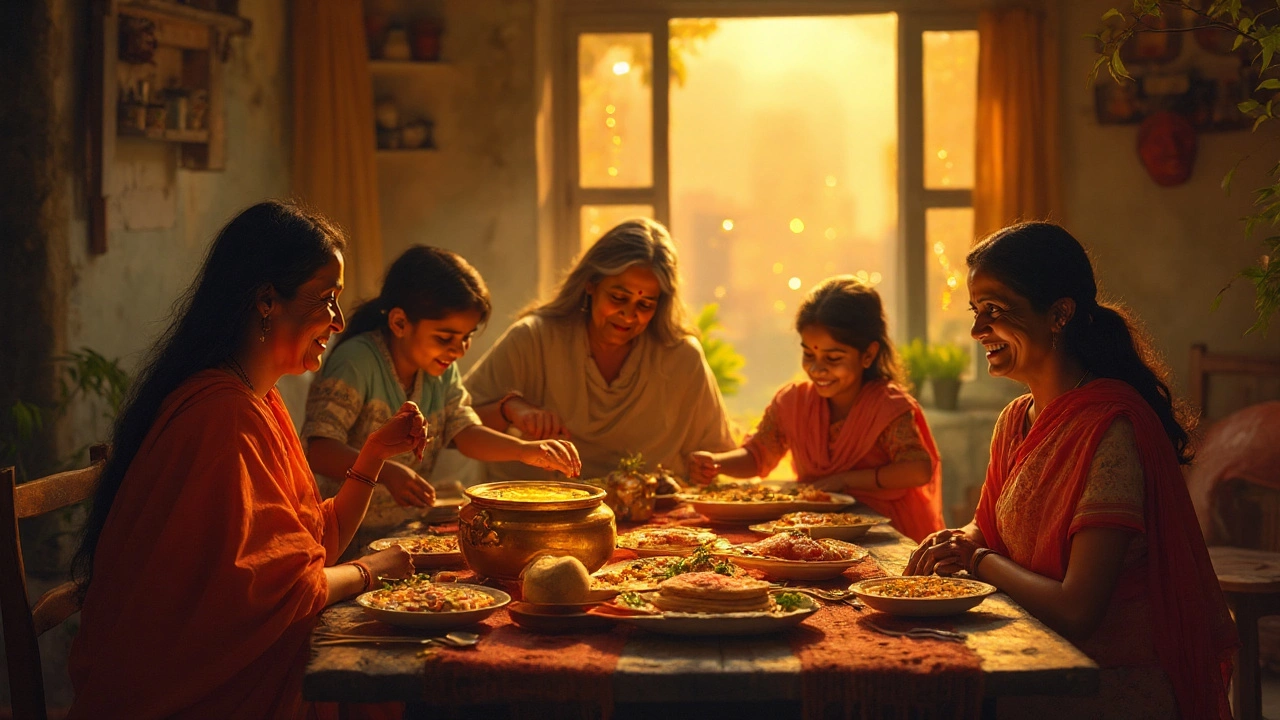
What Time Do People Eat Dinner in India? A Guide to Indian Dinner Habits
Curious about dinner times in India? Explore when people eat dinner across regions, cultural factors influencing dinner, and how social life shapes Indian eating habits.
learn more