Diet Habits: Real Eating Patterns from Mysore and South India
When we talk about diet habits, the everyday patterns of what and how people eat, shaped by culture, climate, and tradition. Also known as eating patterns, it's not about counting calories or following trends—it's about what works for your body and your life. In Mysore and across South India, diet habits have stayed mostly unchanged for generations because they just make sense. People don’t eat to lose weight or boost metabolism—they eat to feel strong, energized, and satisfied. And guess what? Their way of eating is one of the most balanced in the world.
At the heart of these daily Indian meals, the simple, repeated foods that feed millions across the region every day. Also known as traditional Indian meals, it's rarely a fancy dish. It’s rice with dal, dosa with coconut chutney, or roti with sabzi. These meals are built around South Indian food, a style of cooking centered on rice, lentils, coconut, tamarind, and spices like curry leaves and mustard seeds. Also known as Mysore cuisine, it’s not just about taste—it’s about digestion, balance, and rhythm. Breakfast isn’t cereal or toast. It’s idli steamed overnight with sambar, or upma made with semolina and veggies. Lunch? Rice, a lentil stew, a vegetable curry, and a spoon of yogurt. Dinner? Lighter, often just leftover rice or a simple khichdi. And snacks? Not chips. Think roasted chana, coconut ladoo, or a crispy dosa with mint chutney.
What makes these traditional eating patterns, the long-standing, culturally rooted ways of choosing, preparing, and consuming food over time. Also known as cultural food practices, so powerful is that they don’t rely on supplements, protein powders, or meal plans. They use what’s local, seasonal, and fermented—like dosa batter that’s left to sit overnight, or pickles made with sun-dried mango. Fermentation isn’t a buzzword here; it’s how you make food easier to digest and richer in good bacteria. Spices aren’t just for heat—they’re medicine. Turmeric fights inflammation. Ginger settles the stomach. Cumin helps digestion. And yogurt? It’s eaten daily, not as a snack, but as a natural probiotic.
You won’t find people here skipping meals or fasting for Instagram. They eat when they’re hungry, stop when they’re full, and never rush. Meals are shared, not eaten alone in front of a screen. Portions are modest, but satisfying. Sugar is rare in savory dishes. Fried foods are occasional treats, not daily staples. And while the world chases keto, paleo, or vegan diets, Mysore’s people have been eating plant-forward meals for centuries—without calling it anything.
Below, you’ll find real guides from real kitchens—how to fix a soft dosa, why lemon belongs in biryani, how to stop lentils from bloat, and what Indians actually eat for breakfast. No fluff. No trends. Just the habits that keep people healthy, happy, and full.
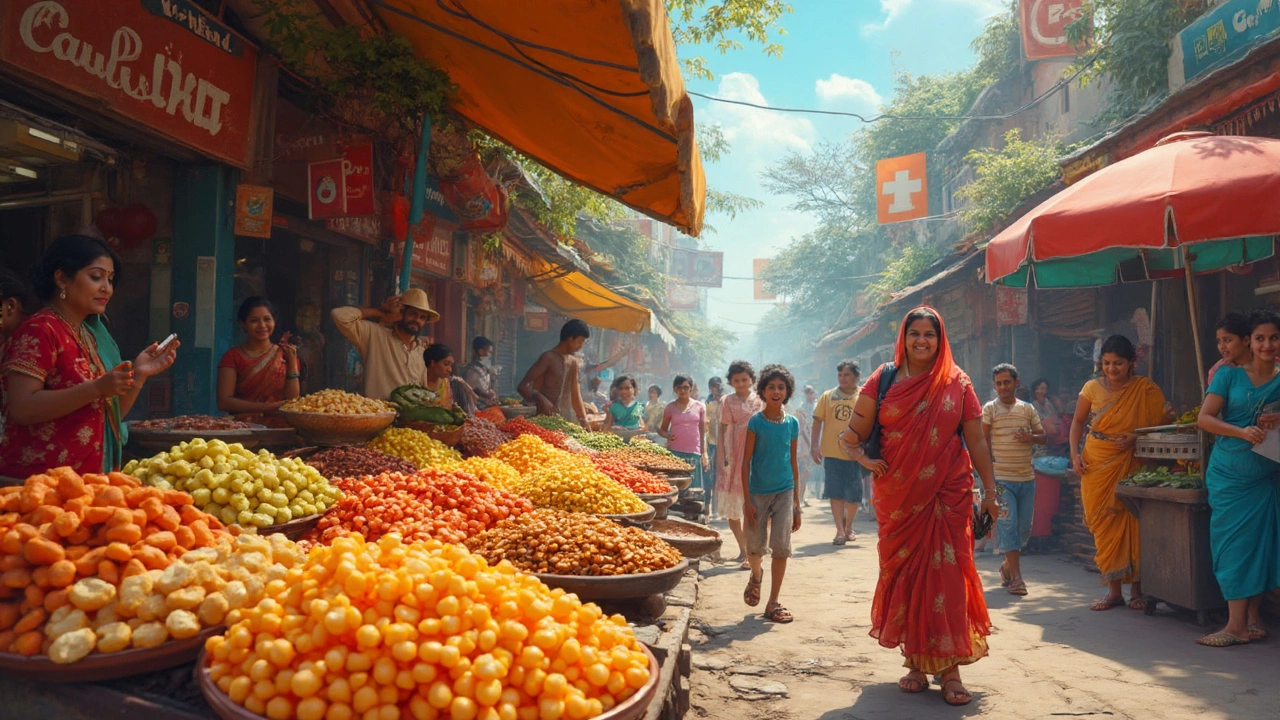
Unmasking the World's Unhealthiest Eaters
Explore which country leads in unhealthy food consumption and how Indian snacks offer a healthier alternative. Delve into surprising facts about global diet trends and health impacts. See how simple swaps can enhance your wellbeing.
learn more