Dessert Recipes from Mysore: Sweet Traditions You Can Make at Home
When you think of dessert recipes, sweet treats made with sugar, nuts, cardamom, and ghee, often tied to regional Indian traditions. Also known as Indian sweets, they’re not just after-meal treats—they’re part of celebrations, daily rituals, and family memories. In Mysore, dessert recipes aren’t fancy or complicated. They’re made with patience, local ingredients, and generations of know-how. Think of mysore pak, a rich, fudge-like sweet made from gram flour, sugar, and ghee, cooked slowly until golden, or jalebi, deep-fried spirals soaked in syrup, crisp outside and soft inside, eaten warm. These aren’t store-bought candies. They’re made in small batches, often by hand, with a touch of rose water or cardamom that says "this is home."
What makes Mysore’s dessert recipes different? It’s not just the ingredients—it’s the way they’re made. Many rely on slow cooking, proper fermentation, or precise sugar syrup stages. You can’t rush holige, a sweet flatbread stuffed with lentils and jaggery, steamed or fried, often made during festivals. The dough needs time. The syrup needs to hit the right thread stage. And the spices? They’re not added for show—they balance the sweetness so it doesn’t cloy. These recipes are passed down, not downloaded. That’s why you won’t find them in every cookbook. But here, you’ll find the real versions—the ones made in Mysore kitchens, tested by time.
Some of these sweets are disappearing. Phool jhadi, the cotton-candy-like treat made by hand with spun sugar, is rare now. But the classics? They’re still alive. You’ll find recipes here that show you how to get the texture right, how to know when the syrup is ready without a thermometer, and why using fresh ghee makes all the difference. No shortcuts. No artificial flavors. Just the real thing.
Whether you’re making sweets for a festival, a quiet evening, or just because you miss the taste of home, these dessert recipes will guide you. You’ll learn how to avoid common mistakes—like overcooking the syrup or skipping the fermentation step—that turn good sweets into sticky failures. And you’ll see how these treats connect to bigger traditions: breakfasts with chutney, festive biryanis, and the simple joy of sharing something sweet.
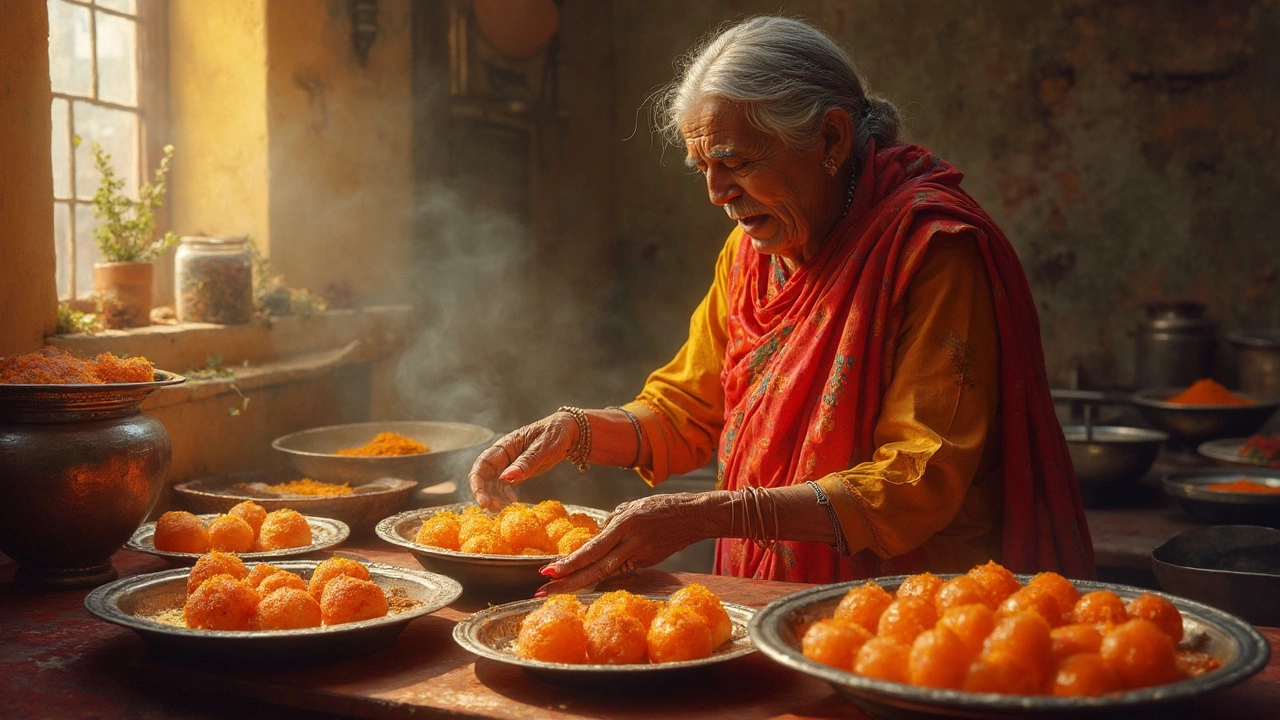
Discovering the Top Sweet in India: Which Holds the Crown?
Indian sweets are known for their rich flavors and vibrant history. Among these, Gulab Jamun often emerges as a favorite. The article delves into why this syrupy delight is adored across India, exploring its ingredients and variations. It also offers tips on making the perfect Gulab Jamun at home.
learn more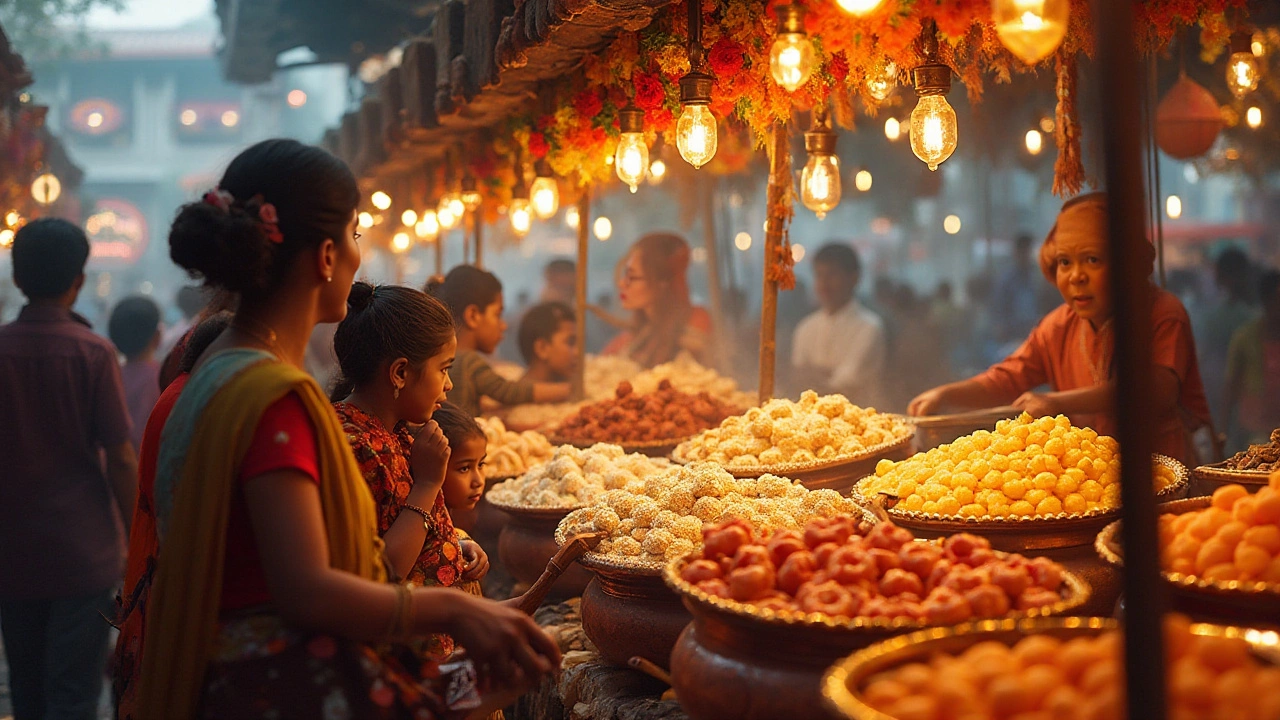
Popular Sweets Loved by Indian People: A Delicious Journey
Indian sweets, also known as 'mithai', are an integral part of Indian culture and cuisine, enjoyed during festive occasions and daily life alike. From the creamy, syrupy Rasgulla to the nutty richness of Kaju Katli, there's a sweet treat for every palate. These confections are not just about sugar; they embody the complexity of flavors and ancient culinary traditions that vary across different regions. Explore how these sweet delights are intricately tied to Indian traditions, with recipes and tips for making them at home.
learn more