Dal Softening Time: How Long to Cook Lentils for Perfect Texture
When you cook dal, a general term for split lentils or pulses used widely in Indian cooking. Also known as lentils, it's one of the most common proteins in Indian households, eaten daily across regions. But if your dal comes out hard, chalky, or takes forever to soften, you're not alone. The dal softening time isn't just about boiling longer—it's about soaking, heat, water ratio, and even the type of dal you're using.
Not all dals are the same. urad dal, a black lentil used in dosa batter and dal makhani needs longer than moong dal, a yellow split mung bean that cooks in under 20 minutes. Red lentils (masoor dal) break down fast and turn creamy, while toor dal (pigeon pea) holds its shape better and needs more time. Soaking them for 30 minutes to 4 hours cuts cooking time by half and helps them soften evenly. Skip it, and you’ll end up with grainy dal even after an hour on the stove.
Pressure cooking changes everything. On high heat, most dals soften in 8 to 12 minutes after the first whistle. No pressure cooker? Plan for 30 to 45 minutes on a low simmer, covered. Add salt or acidic ingredients like tomatoes or lemon juice too early, and the dal stays hard—wait until the end. Turmeric and cumin don’t affect softening, but baking soda? A pinch can help, especially with older lentils. It’s not magic—it’s chemistry. The alkaline environment breaks down the lentil’s outer layer faster.
Old dal? It’s the silent culprit. Lentils lose moisture over time. If your dal takes over an hour to soften, even after soaking, it’s probably been sitting in your pantry for more than a year. Buy in small batches. Store in airtight containers away from heat and light. Fresh dals taste better and cook faster.
And yes—your pot matters. A heavy-bottomed pot distributes heat evenly. Thin pots create hot spots. That’s why your dal burns on the bottom and stays hard on top. If you’re making dal makhani or chana dal curry, you want the lentils to be tender but not falling apart. For khichdi or soup-style dal, you want them to melt into the broth. The right dal softening time gives you control over texture, not guesswork.
Below, you’ll find real recipes and fixes from people who’ve been there—soft dosa batter that failed because the urad dal wasn’t soaked long enough, dal that stayed crunchy after pressure cooking, and how to fix it without starting over. No fluff. Just what works, tested in home kitchens across South India.
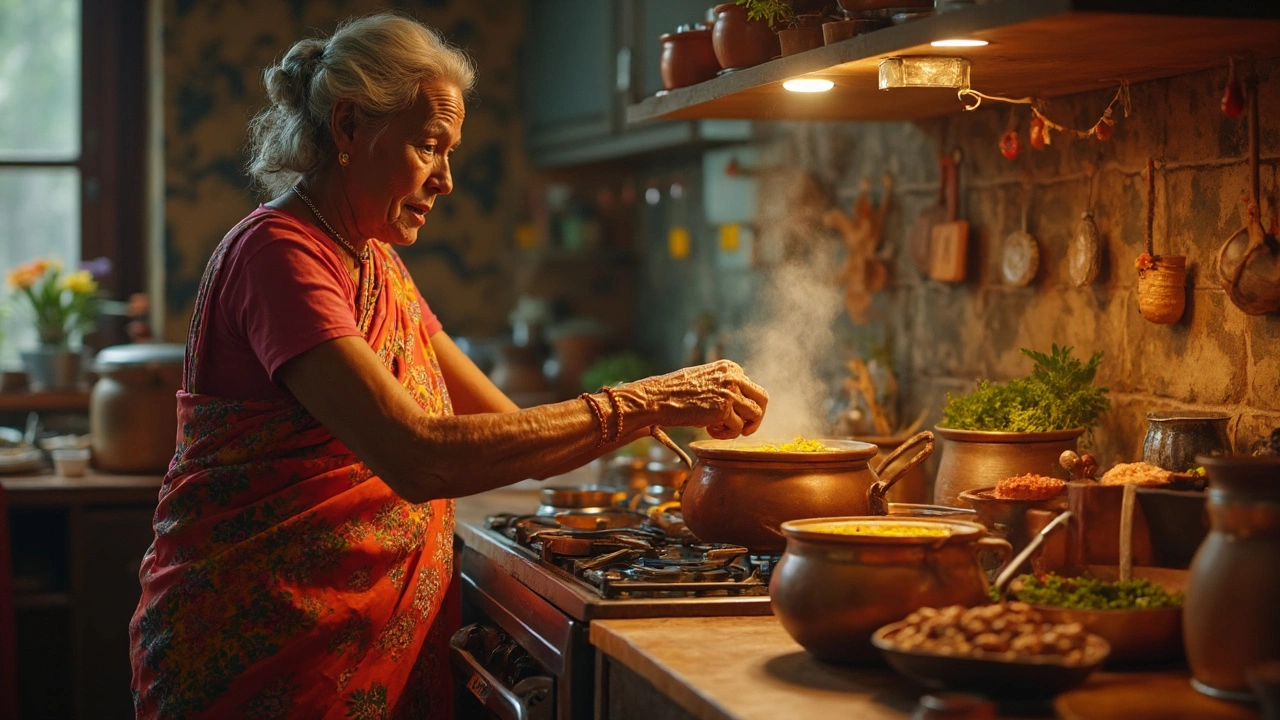
How Long Does It Take for Dal to Soften? Best Tips for Perfect Dal
Uncover how long dal takes to soften, what affects cook time, and how to make your dal perfectly tender every time. Tips and tricks for all cooks.
learn more