Dal Recipe: Simple, Healthy, and Authentic Indian Lentil Cooking
When you think of everyday Indian food, dal, a simple, protein-rich lentil stew that’s a staple across every Indian home is usually the first thing that comes to mind. It’s not fancy, but it’s the backbone of countless meals—from breakfast to dinner. Whether you’re using toor dal, masoor dal, or urad dal, the goal is the same: tender lentils, fragrant spices, and a bowl that feels like home. This isn’t just food; it’s comfort in a bowl, cooked the way generations have done it—with patience, care, and just the right amount of cumin and turmeric.
What makes dal work isn’t just the lentils themselves, but how you treat them. lentils, dry legumes that need soaking, rinsing, and proper cooking to avoid gas and bitterness can be tricky if you rush them. That’s why so many posts here focus on fixing soft dosa batter or removing gas from lentils—because the same principles apply. Soaking dal overnight, pressure cooking it just right, and tempering it with mustard seeds and curry leaves aren’t optional steps—they’re what turn plain beans into something unforgettable. And if you’ve ever wondered why your dal tastes flat, it’s probably because you skipped the tadka. That sizzle of spices in hot ghee? That’s the soul of the dish.
You’ll find here no complicated techniques or hard-to-find ingredients. Just real advice from people who cook dal every day. Learn how to balance spice without burning your tongue, how to make dal creamy without cream, and why adding a pinch of baking soda can save a batch that’s stubbornly hard. You’ll also see how urad dal, a key ingredient in dosa batter and also used in creamy dal preparations shows up in both breakfast and lunch, proving how flexible and essential it is. And if you’ve ever eaten dal with rice and thought, ‘This is all I need,’ you’re not alone. It’s the most eaten food in India—not because it’s trendy, but because it’s perfect as it is.
Below, you’ll find real fixes, real tips, and real recipes from people who know what works. No fluff. No theory. Just what to do when your dal turns out too thin, too bland, or too gassy. Whether you’re new to Indian cooking or just trying to make your dal taste better, you’ll find exactly what you need right here.
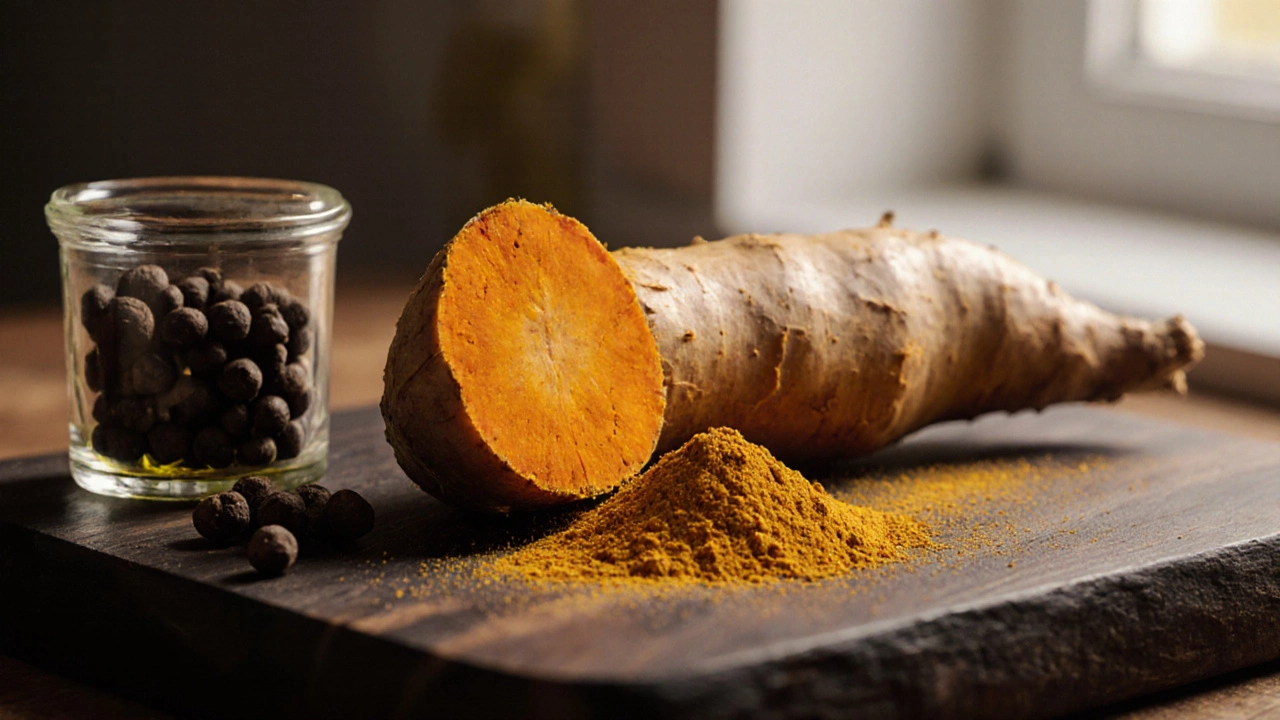
Top Anti-Inflammatory Food: The One Ingredient That Beats Inflammation
Discover why turmeric ranks as the top anti‑inflammatory food, how lentils boost the effect, and a simple dal recipe to fight chronic inflammation.
learn more
Simple Indian Dishes: What Makes a Meal Truly Basic Yet Delicious?
Explore what makes a basic Indian dish truly classic. Unpack the ingredients, cooking styles, and secrets to popular simple Indian recipes you can try at home.
learn more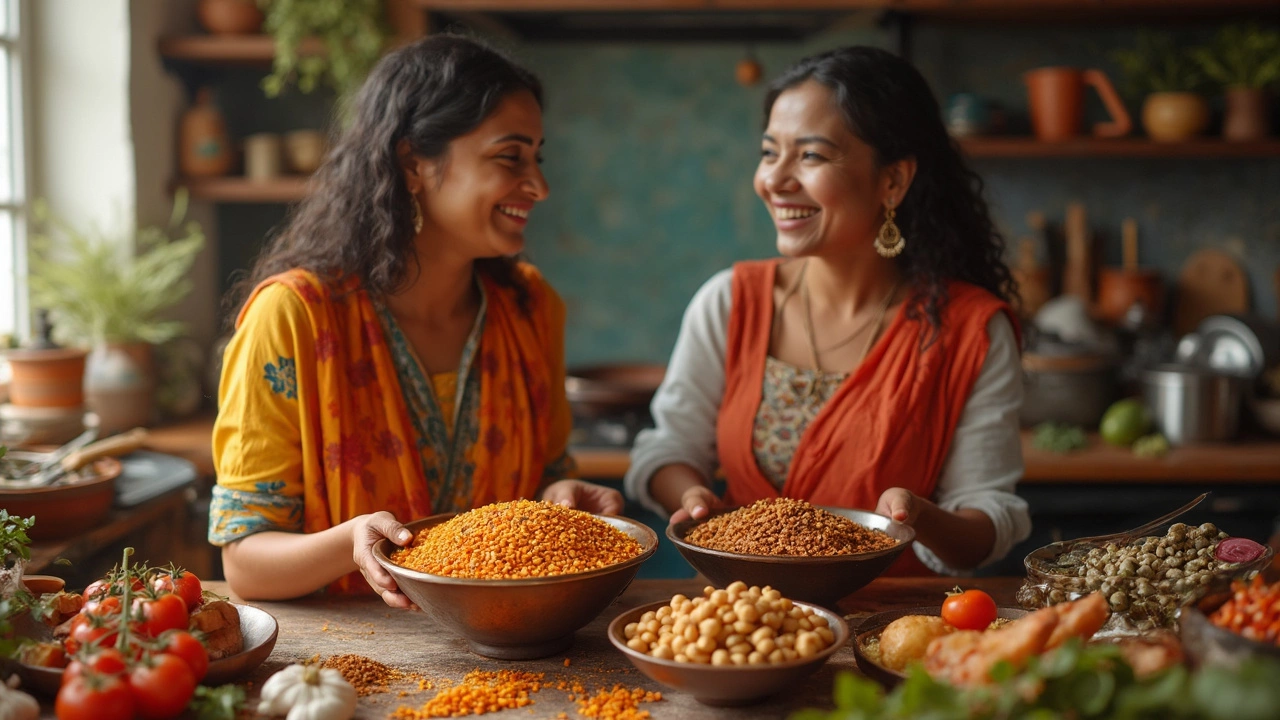
Chickpeas or Lentils: Which Is Better for Your Dal?
Trying to pick between chickpeas and lentils for your dal? This article gets straight to what you need to know: nutrition, taste, cooking tricks, and what fits your habits best. No fluff—real facts, easy explanations, and fun tips for making your next dal better. Get the lowdown on how each legume works in your kitchen and your body. You might just find a favorite you never expected.
learn more
How Much Dal is Enough for 2 People?
Learn the perfect amount of dal to prepare for two people without wasting food. This article offers insights into serving sizes, the different types of dals, and practical cooking tips for making delicious dal dishes. Whether you're new to cooking dal or looking to optimize portions, discover how to get it just right for a cozy meal for two.
learn more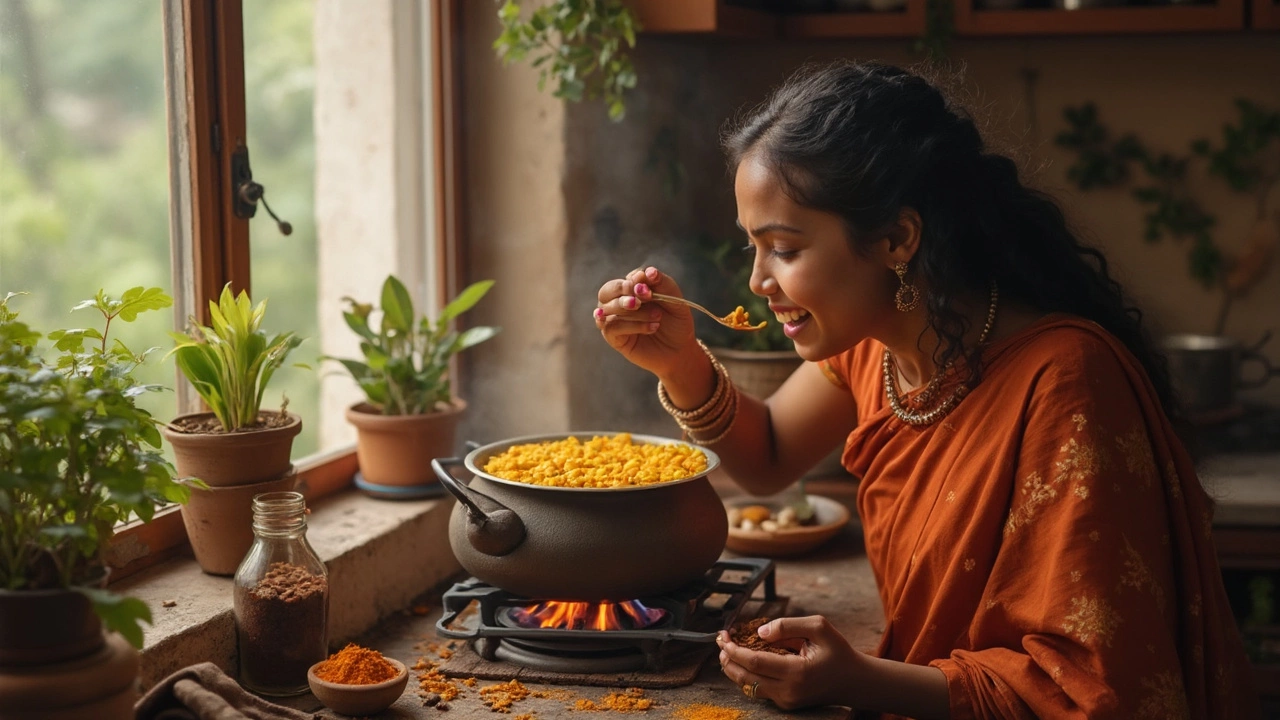
Feeling Gassy After Eating Dal? Here's Why
Ever wondered why dal makes you feel gassy? It's not just you—this common legume can cause bloating due to its high fiber content and natural gases. Learn how to minimize discomfort while enjoying dal, with tips on preparation and ingredient combinations to ease digestion.
learn more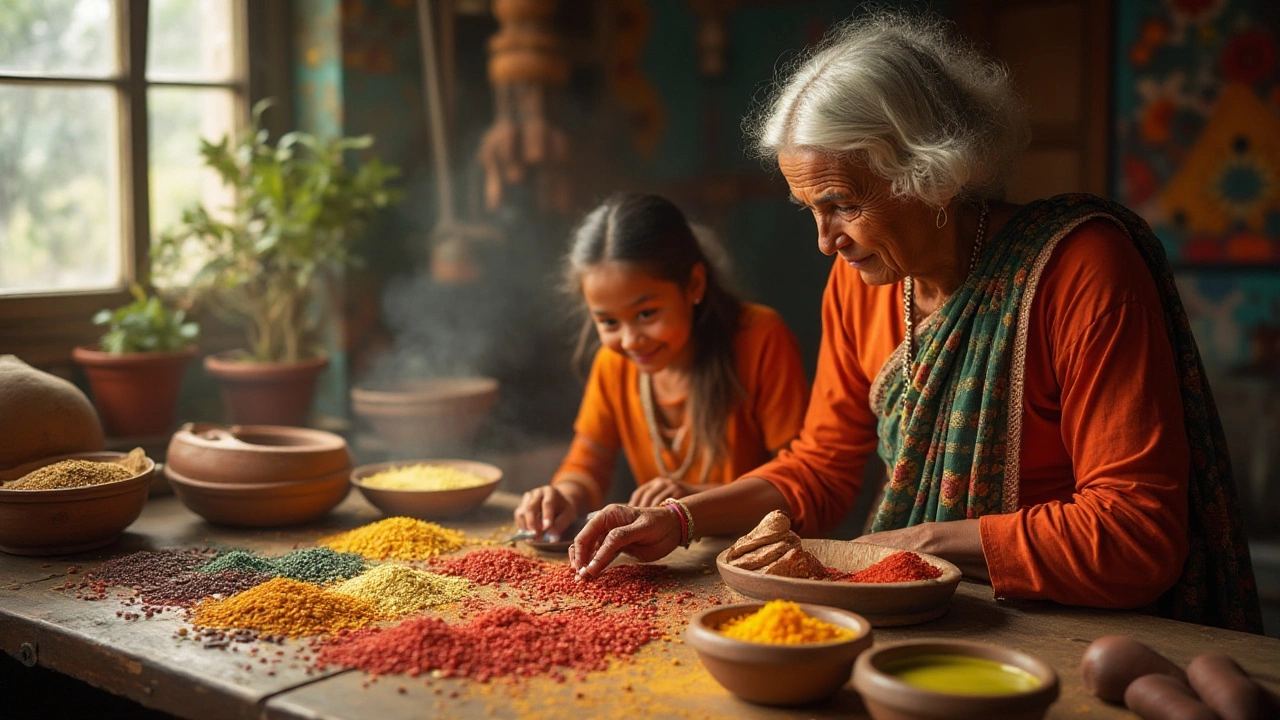
The Healthiest Ways to Enjoy Lentils in Your Diet
Lentils are a versatile and nutritious legume, offering a rich source of protein, fiber, and essential nutrients. Integrating lentils into your diet can contribute to improved digestion, heart health, and weight management. This article explores the healthiest ways to prepare and enjoy lentils, focusing on simple and flavorful dal recipes. Discover tips and tricks to enhance your lentil dishes and make them a staple in your culinary repertoire.
learn more