Dal Nutrition: Why Lentils Are a Powerhouse of Protein and Health
When you think of dal, a simple, slow-cooked lentil dish common across India, often served with rice or roti. Also known as lentils, it is one of the most eaten foods in India—not because it’s trendy, but because it’s reliable, affordable, and packed with nutrition. Every bowl of dal isn’t just a meal; it’s a quiet hero in your daily diet, giving you protein without meat, fiber without fuss, and anti-inflammatory power from turmeric and cumin that studies have actually tracked.
What makes lentils, a category of legumes including urad dal, toor dal, and moong dal, known for their high protein and low fat content so special? Unlike meat, they don’t need fancy prep. Just soak, cook, and season. Urad dal, for example, is the backbone of dosa batter and also gives you more iron than spinach. And when you combine dal with rice, you get a complete protein—something even vegan nutritionists recommend. It’s not magic. It’s biology. Your body uses the amino acids in lentils to repair muscles, balance blood sugar, and keep your gut happy. Plus, adding ginger or cumin to your dal helps reduce gas, a common complaint people have about beans and legumes. You don’t need supplements if you’re eating dal regularly.
anti-inflammatory foods, natural ingredients that help reduce chronic inflammation in the body, often found in Indian cooking aren’t just buzzwords. Turmeric in your dal, garlic in your tempering, and even the black mustard seeds you fry at the start—these are all part of a system that’s been used for centuries to fight inflammation. Research shows that people who eat lentils daily have lower markers of inflammation than those who don’t. And it’s not because of some fancy extract. It’s because of the real, whole food you’re eating. That’s why dal shows up in almost every Indian home, from rural villages to city apartments. It’s not about tradition alone—it’s about what your body needs.
You’ll find posts here that explain how to cook dal so it’s soft but not mushy, how to cut gas from lentils using simple spices, and why the right dal-to-rice ratio matters even when you’re not making dosa. Some posts dive into how turmeric boosts dal’s health benefits. Others show you how to make dal taste rich without cream or butter. This isn’t about fancy techniques. It’s about getting the most out of a humble ingredient that feeds millions every day. Whether you’re vegan, vegetarian, or just looking to eat cleaner, dal nutrition gives you a solid, simple place to start. No gimmicks. No trends. Just food that works.
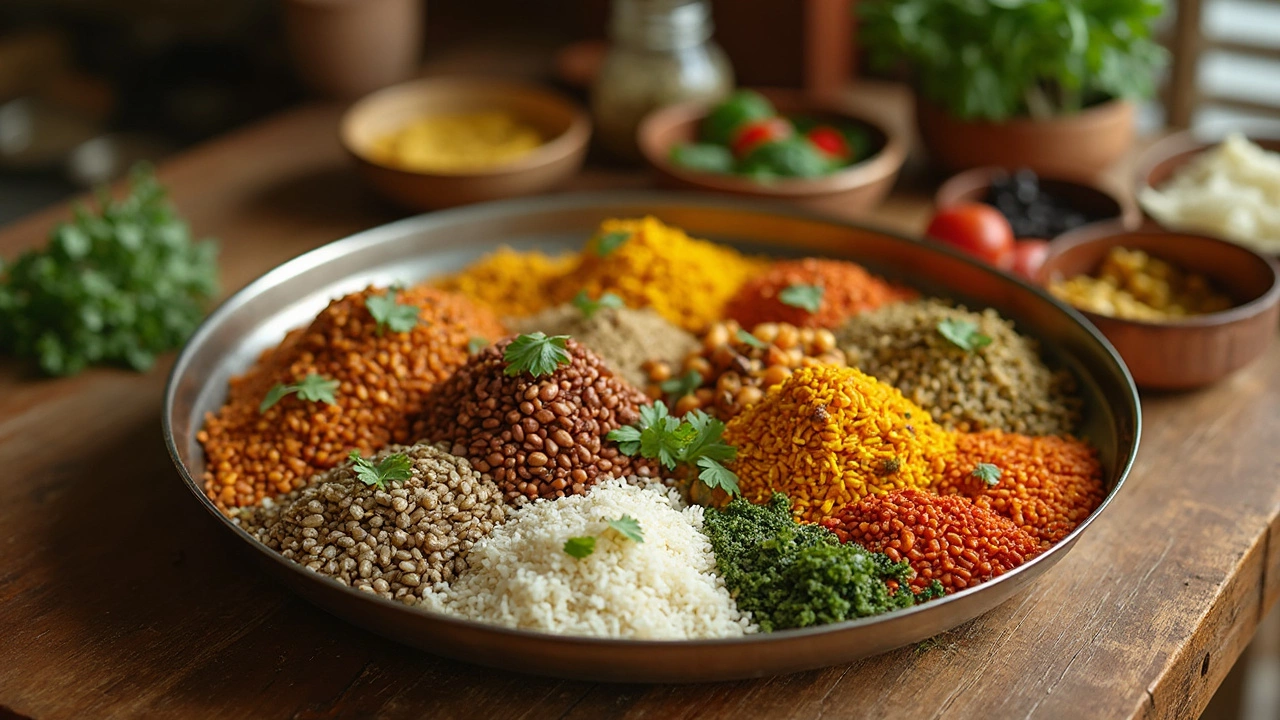
Dal Protein or Carb? Sorting the Facts for Simple Recipes
Ever wondered if dal is more about protein or carbs? Get the real breakdown on dal’s nutrition and how it fits into a balanced diet. This article clears up the confusion with straightforward facts. Learn some quick tips for boosting protein in dal recipes. If you care about eating healthy without stress, this is for you.
learn more