Dal Makhani: The Rich, Creamy Lentil Dish That Defines North Indian Comfort Food
When you think of dal makhani, a slow-cooked, buttery lentil dish from North India, often made with black lentils and kidney beans, and known for its rich, creamy texture and deep smoky flavor. Also known as black dal, it’s the dish that turns a simple bowl of lentils into something unforgettable. This isn’t just another dal—it’s the kind of food that fills a house with aroma, brings families to the table, and shows up at weddings, festivals, and Sunday dinners across Punjab and beyond.
Dal makhani relies on two key lentils: urad dal, black lentils that soften into a velvety base, and rajma, red kidney beans that add body and a slight chew. Together, they’re soaked overnight, then simmered for hours with garlic, ginger, tomatoes, and a touch of cream or butter. The magic happens in the low, slow cook—this isn’t a 30-minute meal. It’s patience in a pot. You’ll find this same technique in the way Indian cooks treat their dals: time is the secret spice. No instant pot shortcut replaces the depth you get from a 6-hour simmer.
What makes dal makhani different from other lentil dishes? It’s the butter. Not just a sprinkle—a generous swirl of ghee or butter, often finished with a drizzle of cream. That’s what gives it its signature silkiness. And while some versions use cream, traditional recipes rely on the natural starch from the lentils and the fat from slow cooking to create richness without dairy. You’ll also notice the smoky note—that’s from the tandoor or the charred onion and garlic paste added at the end. It’s not just flavor. It’s memory. Every bite carries the warmth of a home kitchen, the rhythm of a daily ritual, the kind of food that doesn’t need fancy plating to feel like home.
People often ask if dal makhani is vegan. The answer? It can be. Skip the butter and cream, use coconut oil or vegan ghee, and you still get the soul of the dish. The lentils, the spices, the time—that’s what matters. And while it’s often served with naan or rice, it’s just as good with plain roti or even a simple bowl of steamed rice and a side of pickled onions.
Below, you’ll find real recipes and fixes from home cooks who’ve made this dish a hundred times—some got the butter right, others cracked the slow-cook secret, and a few figured out how to make it without a tandoor. Whether you’re new to Indian cooking or just trying to nail this one dish, you’ll find what works—and what doesn’t.
Best Vegetarian Indian Dishes to Order: Top Picks and Surprises
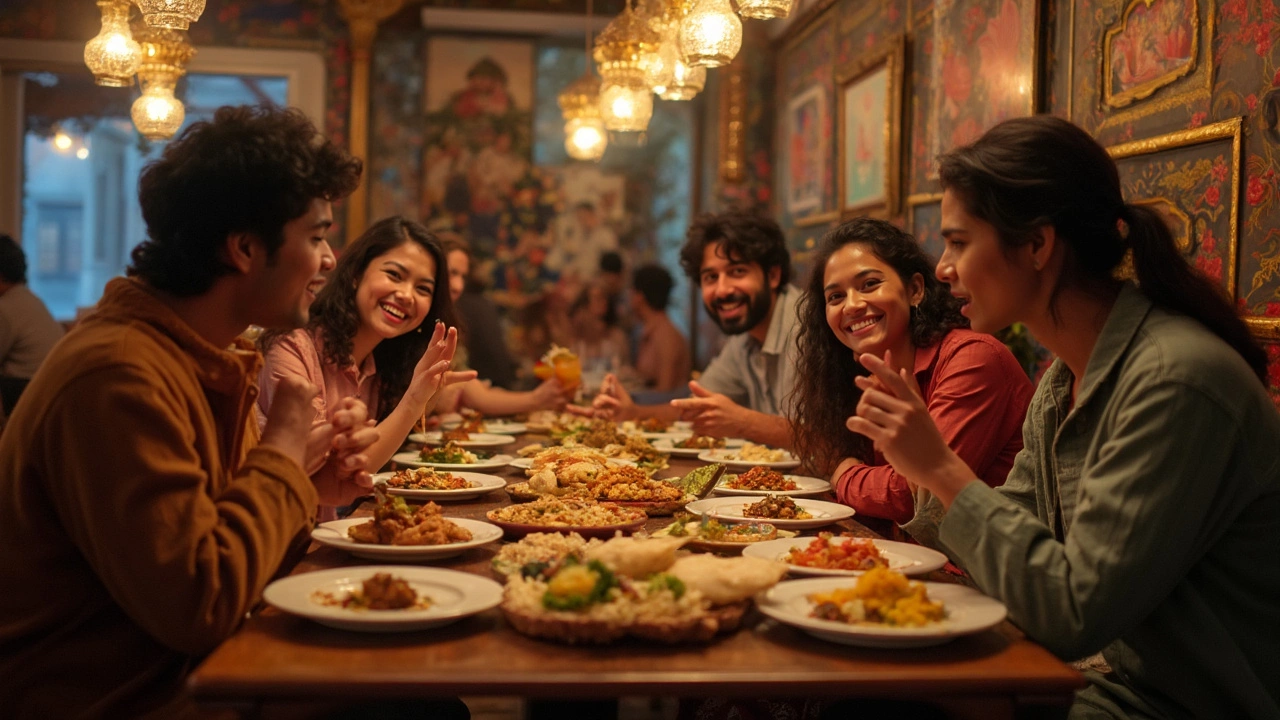
Indian food is heaven for vegetarians, but figuring out the best dish to order can be confusing with so many options. This article breaks down the tastiest and most popular vegetarian Indian dishes, plus what makes them special. You’ll also get fun facts about Indian cuisine, advice on how to order the right level of spice, and what sides actually complement your meal. Expect insider tips for navigating an Indian menu, even if it’s your first time. Get ready to skip the chicken tikka for something way more exciting.
learn more