Dal Ingredients: What Goes Into Authentic Indian Lentil Dishes
When you think of dal, a staple Indian dish made from cooked lentils or pulses, often served with rice or roti. Also known as dhal, it's the quiet hero of Indian kitchens—simple, nourishing, and deeply comforting. But what’s actually in it? It’s not just lentils and water. Real dal starts with the right pulse—urad dal, toor dal, chana dal—and then layers in spices, aromatics, and techniques passed down for generations. Skip the basics, and you’re not cooking dal—you’re just boiling beans.
Urad dal is the backbone of dosa batter and creamy dal makhani. Toor dal gives sambar its body and earthy depth. Chana dal adds a nutty crunch to tadkas. Each type behaves differently: some soak faster, some split easier, some need longer cooking. Then there’s the tempering—mustard seeds popping in hot oil, cumin sizzling, dried red chilies crackling, curry leaves releasing their perfume. Turmeric adds color and anti-inflammatory power. Asafoetida (hing) cuts through gas and adds umami. Garlic, ginger, onions? Optional, but they turn dal from basic to unforgettable. These aren’t extras—they’re the soul of the dish.
People think dal is easy because it’s humble. But get the ingredients wrong, and you’ll taste it. Too much salt early? The lentils stay hard. Skip the tempering? It’s bland. Use old lentils? They take forever to cook and never soften right. The magic isn’t in the recipe—it’s in knowing which dal to pick, when to add what, and how heat transforms simple things. You’ll find posts here that break down exactly how to choose and use each ingredient, why fermentation matters for some dals, how to reduce gas without losing flavor, and which spices make the biggest difference. Whether you’re making a quick weeknight dal or a festive dal makhani, the ingredients you start with decide the outcome. What’s in your pot?
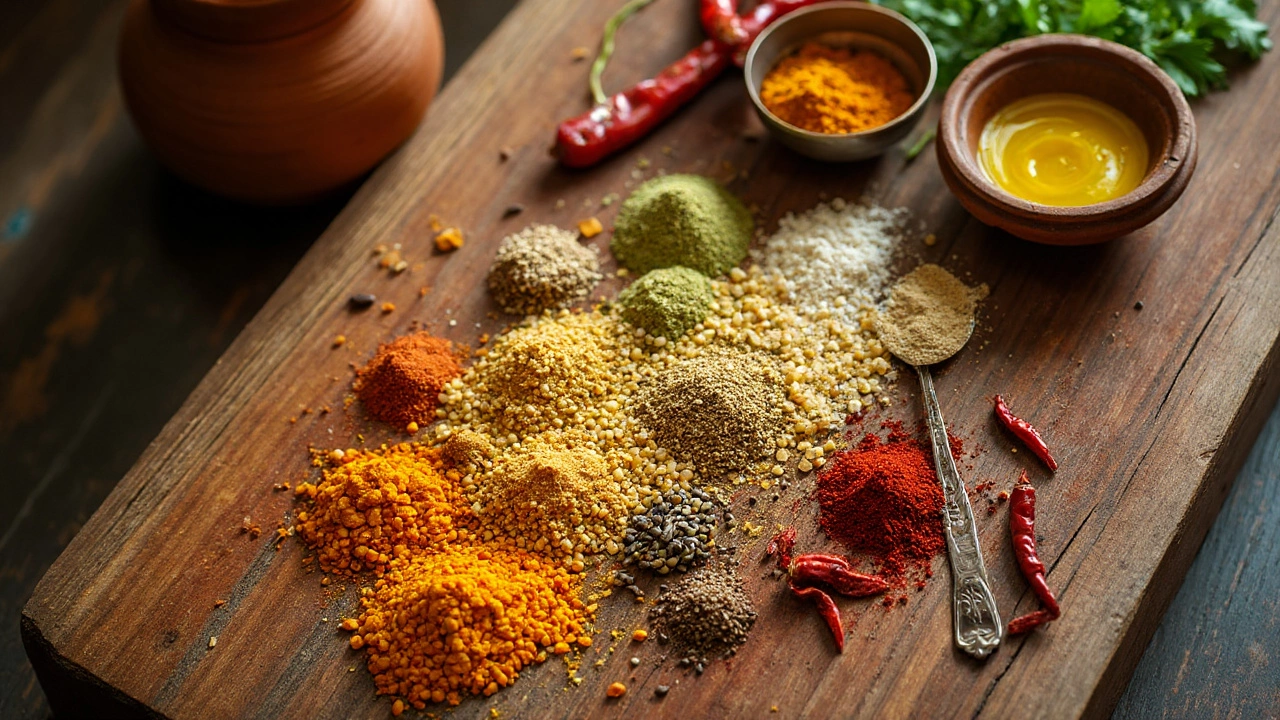
Dal Ingredients Guide: Spices, Lentils, and Secrets for Authentic Flavor
Uncover the ingredients that make dal so hearty and delicious. Get insights on lentils, spices, and the little-known, flavor-boosting extras for perfect dal.
learn more