Dal Cooking Tips: Simple Ways to Perfect Your Lentil Dishes
When you cook dal, a staple lentil dish from South India made from split pulses like toor, moong, or urad dal. Also known as lentil curry, it’s one of the most eaten foods in India—simple, nourishing, and deeply flavorful. But even though it’s basic, getting it right takes more than just boiling beans in water. Many people struggle with mushy dal, lingering gas, or bland flavor—not because they’re doing it wrong, but because they’re missing the small but critical steps that make all the difference.
The secret isn’t in fancy spices. It’s in how you handle the lentils before, during, and after cooking. For example, soaking urad dal, a key ingredient in dosa batter and dal recipes for just 4 hours cuts cooking time and reduces gas. Pressure cooking lentils, a category of split legumes used in daily Indian meals for 10 minutes instead of simmering for 45 minutes doesn’t just save time—it keeps the texture intact. And adding a pinch of hing (asafoetida) while tempering the spices? That’s not optional. It’s the quiet hero that helps digestion and deepens flavor without overpowering the dish.
You don’t need to be an expert to make great dal. You just need to know what to avoid. Skip the cold water rinse—it washes away natural starches that help thicken the dal. Don’t add salt at the start; it toughens the lentils. And never skip the tadka. That sizzle of mustard seeds, cumin, and dried red chilies in hot ghee? That’s what turns plain dal into something you’ll crave. These aren’t tricks. They’re the quiet rules passed down in kitchens across Mysore and beyond.
Below, you’ll find real fixes for real problems: why your dal is still hard after an hour, how to stop bloating after eating lentils, what spice combo works best for toor dal versus masoor dal, and how to use leftover dal in new meals. No fluff. No theory. Just what works—tested in home kitchens, not just cookbooks.
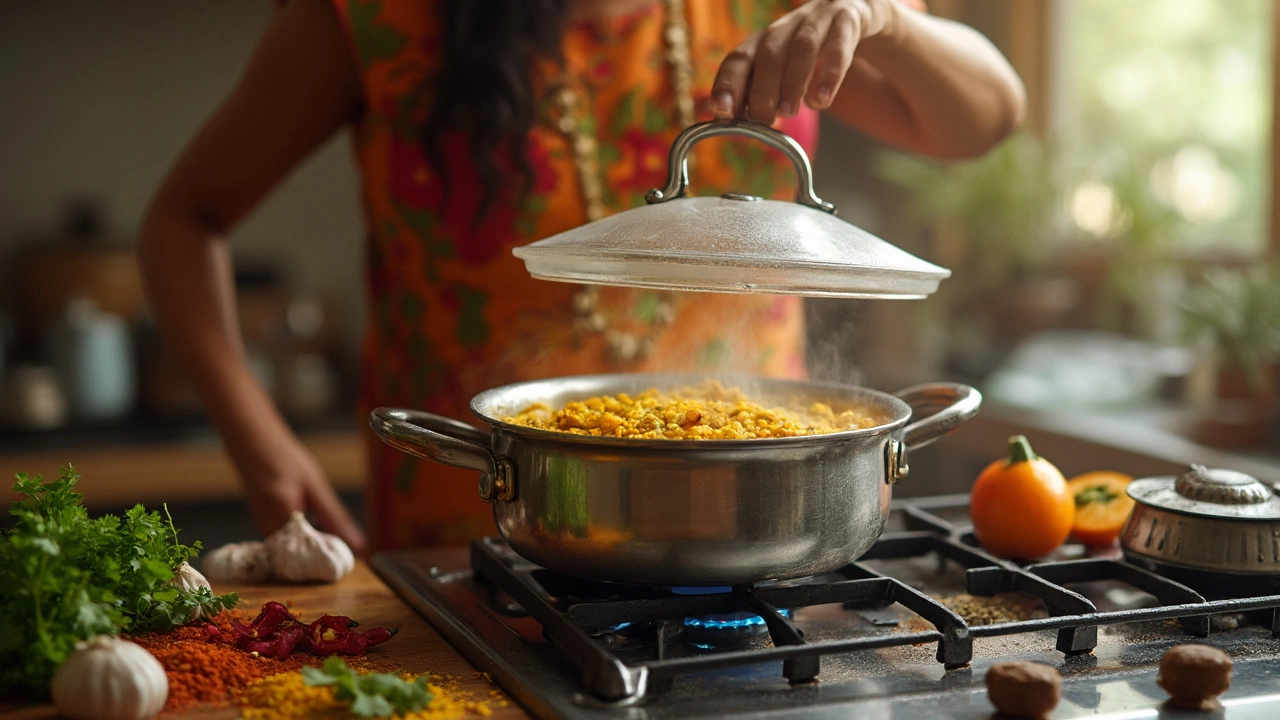
Do You Cover Dal When Cooking? A Straight Answer for Perfect Dal
A lot of people wonder if they should cover dal when cooking, but it's not as simple as yes or no. This article breaks down exactly when to cover your dal, when to keep it open, and what difference it really makes. You'll find out how covering or uncovering affects texture, flavor, and consistency. There are also a few handy tips for common mistakes and quick fixes. If you want your dal to turn out just right every time, read on.
learn more