Dal: The Heart of Indian Meals and How to Get It Right
When you think of Indian food, you might picture spicy curries or crispy dosas—but for millions of people across India, dal, a simple, nourishing dish made from cooked lentils or pulses. Also known as dhal, it's the quiet hero of every meal—eaten with rice, roti, or even on its own. It’s not fancy. It doesn’t need garnishes. But skip it, and the meal feels incomplete. This isn’t just comfort food—it’s tradition in a bowl, passed down through generations, tweaked by region, and perfected over time.
Dal shows up in so many forms because India has so many kinds of lentils. Urad dal, a black lentil used to make dosa batter and creamy dal makhani, is rich and earthy. Toor dal, the yellow lentil that’s the base for sambar in South India, brings a slightly sweet, nutty flavor. Then there’s masoor dal, the quick-cooking red lentil that turns silky and orange. Each one behaves differently in the pot. Some need soaking. Others don’t. Some are simmered with tomatoes and garlic. Others get tempered with cumin, mustard seeds, and dried red chilies. The way you cook it changes everything.
And it’s not just about taste. Dal is nutrition you can count on. It’s packed with protein, fiber, and iron—especially when paired with rice. That’s why it’s the most eaten food in India, not because it’s trendy, but because it works. It feeds families, fits budgets, and lasts. Even in homes with no fridge, a pot of dal stays good for days. It’s the dish that turns leftovers into tomorrow’s lunch. And if you’ve ever wondered why your dal tastes bland, it’s probably not the lentils—it’s the tempering. A hot spoon of oil with spices poured over the top isn’t decoration. It’s the flavor bomb that wakes up the whole dish.
What you’ll find in these posts isn’t just recipes. It’s the real talk behind how dal connects to dosa batter, why it’s the base of anti-inflammatory meals, and how it shows up in breakfasts across the country. You’ll learn why urad dal and rice need a 1:3 ratio to ferment right, how dal ties into everyday Indian meals, and why turmeric in dal isn’t just for color—it’s for healing. No fluff. No guesswork. Just the facts that make dal taste like home.
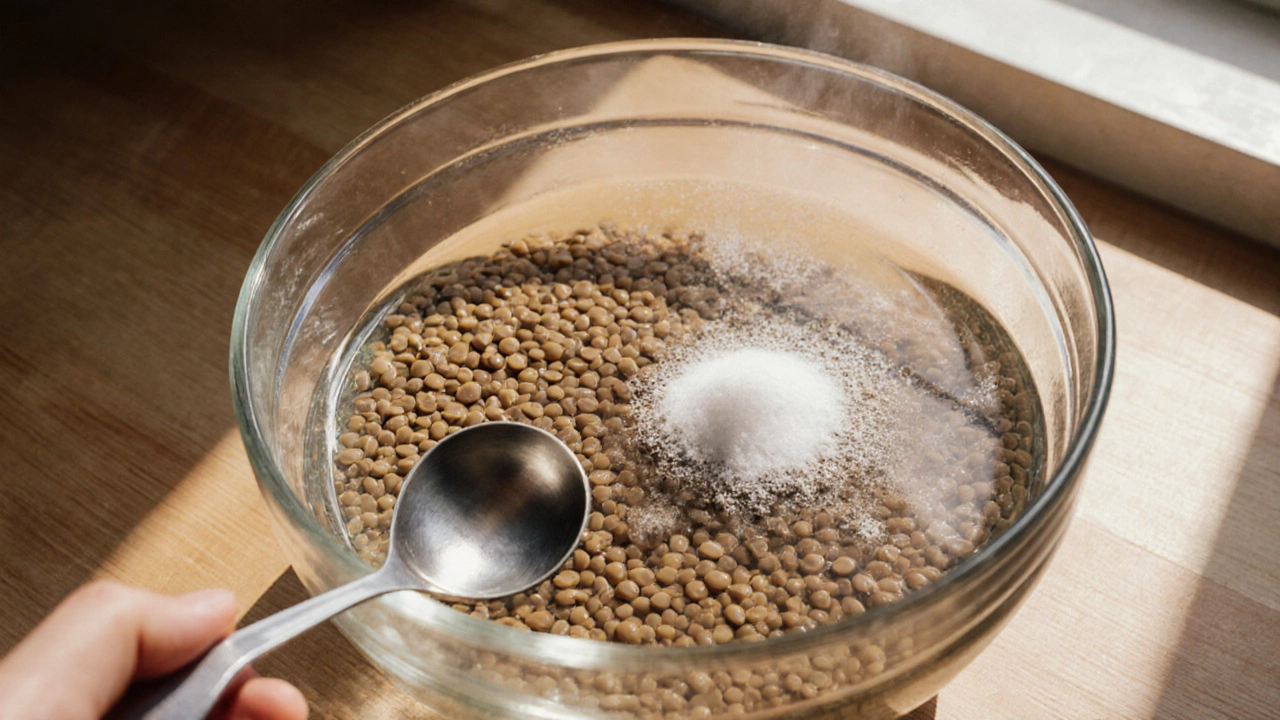
Remove Gas from Lentils - Simple Dal Tips for Flatulence‑Free Cooking
Learn proven steps to cut gas from lentils and enjoy flatulence‑free dal. Soaking, pressure cooking, and spice tips make meals easy on the stomach.
learn more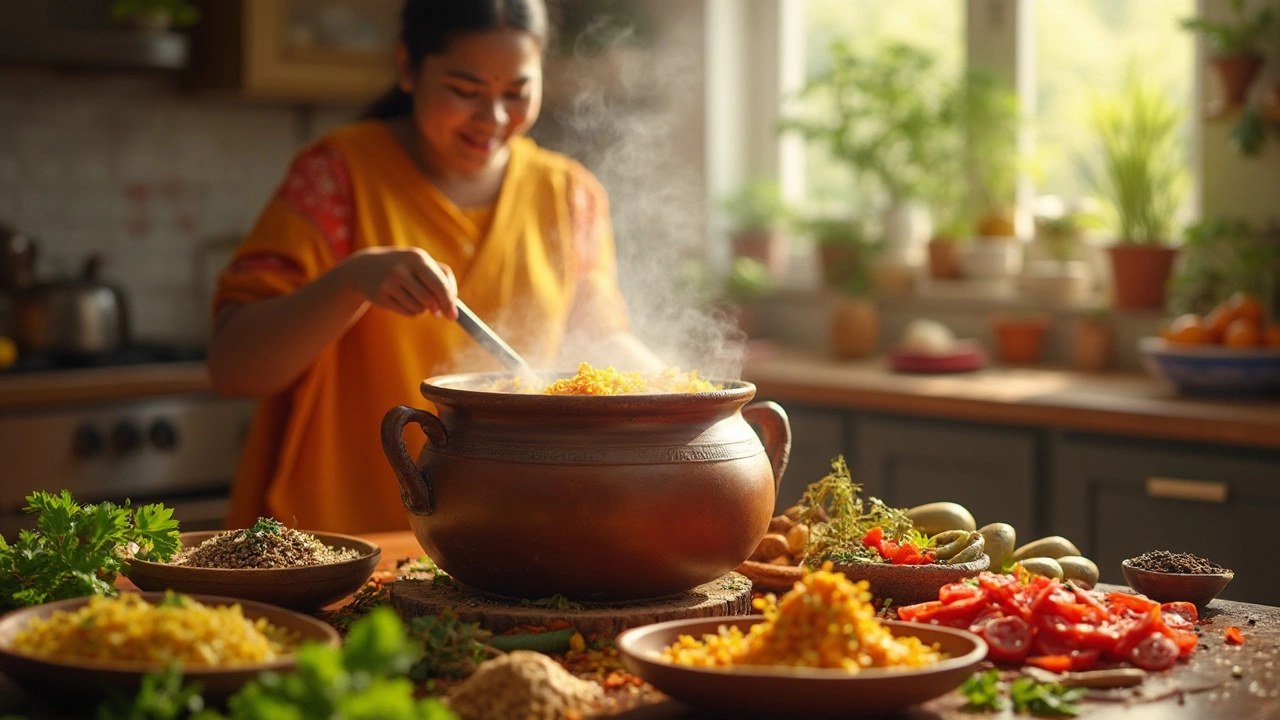
Is Dal Healthy or Junk Food? Simple Truths for Everyday Cooking
Wondering if dal is actually good for you, or if it belongs in the junk food pile? This article dives into what makes dal healthy, busts some common myths, and shows easy ways to keep it nutritious. You'll get the facts, practical cooking tips, and a look into how dal fits into a balanced diet. Plus, find out which habits can quietly turn your humble dal from health hero to heavy junk food. It’s surprisingly simple to keep your dal on the healthy side.
learn more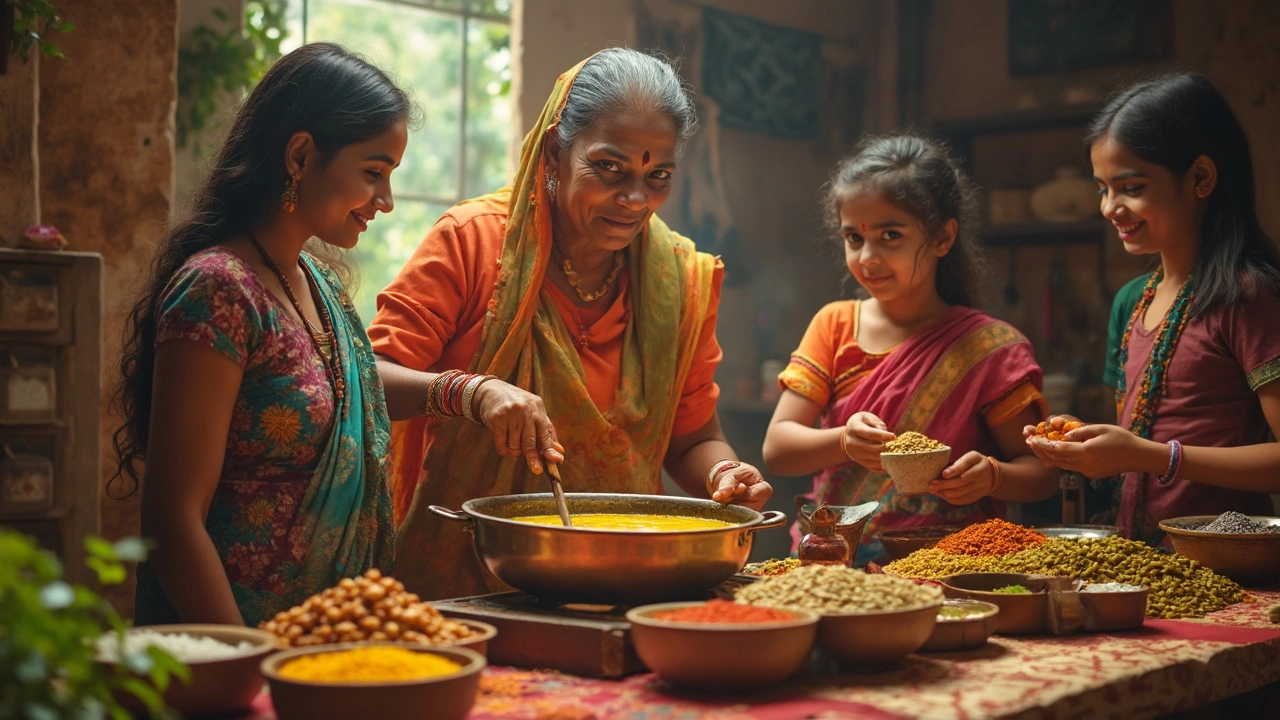
Disadvantages of Eating Dal Daily
While dal is a nutritious staple in many diets, eating it every day may have potential drawbacks. These can range from nutritional imbalances to digestive issues, depending on portion sizes and preparation methods. It's crucial to be mindful of how eating dal daily might affect protein diversity and micronutrient intake. The article explores these concerns and provides practical tips for integrating dal into a balanced diet. Understanding these aspects can help people enjoy dal without compromising their health.
learn more