Curry Spice: Essential Flavors and How to Use Them in Indian Cooking
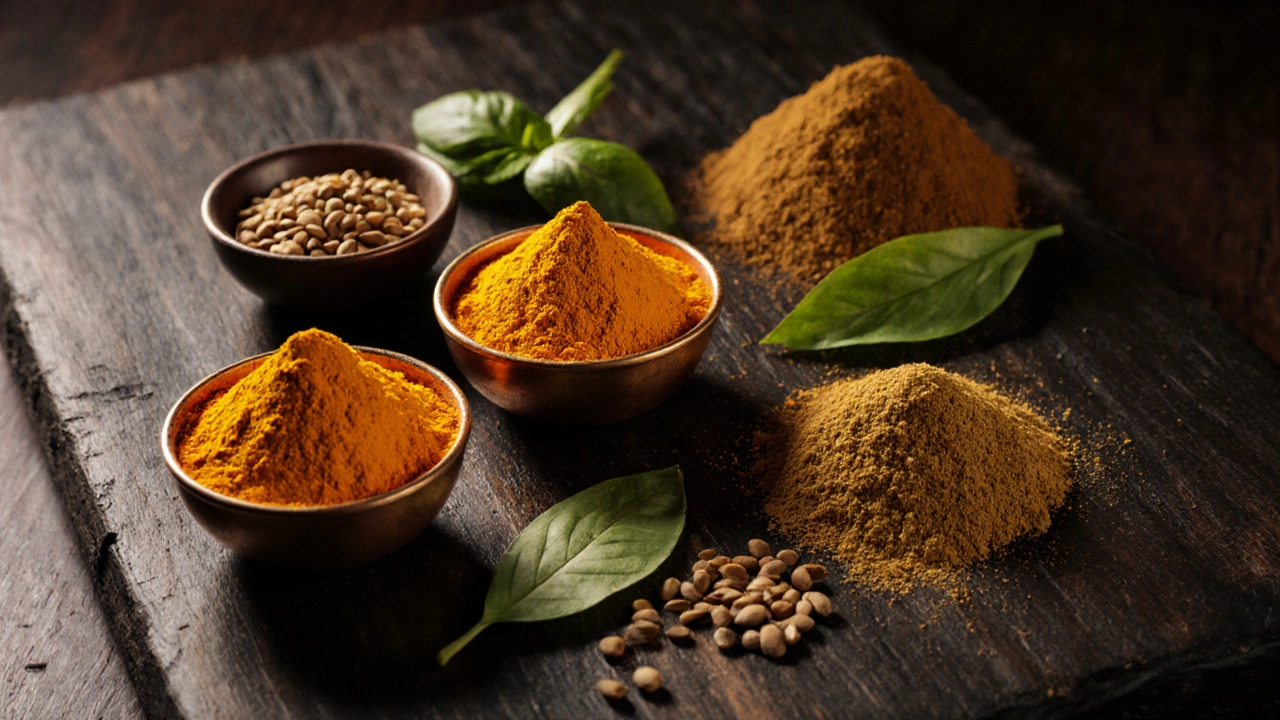
When you hear curry spice, a blend of ground spices used to build depth and warmth in Indian dishes. Also known as curry powder, it's not a single ingredient but a signature mix that varies by region, family, and cook. It’s not the same as store-bought curry powder you find overseas—those are often oversimplified. Real curry spice starts with toasted cumin, coriander, and mustard seeds, then adds turmeric for color, fenugreek for bitterness, and chili for heat. It’s the backbone of chicken curry, lentil dals, and even vegetable stir-fries across South India.
Behind every great curry is a careful balance of turmeric, the golden root that gives curry its signature hue and anti-inflammatory power, and cumin, a earthy, warm seed that grounds the flavor and helps digestion. These aren’t just flavorings—they’re functional. Turmeric needs fat and heat to unlock its benefits, which is why it’s always fried in oil at the start. Cumin releases its oil when toasted, making it smell like home before you even add water. Then there’s the often-overlooked curry leaves, a fragrant herb that adds a citrusy, almost pine-like note unique to South Indian cooking. You won’t find it in most curry powders, but every Mysore kitchen keeps a bunch on the counter.
What you don’t see in the spice rack matters too. Many people think curry spice is just about heat, but it’s really about layering. A pinch of asafoetida cuts through richness. A dash of amchoor (dry mango powder) adds tang without vinegar. And if your curry tastes flat, it’s probably not because you used too little spice—it’s because you skipped the step of blooming the spices in hot oil. That’s the secret: time, heat, and patience. The recipes below show you exactly how to build flavor from scratch, without pre-made mixes. You’ll learn why some cooks skip turmeric in certain dishes, how to substitute curry powder if you’re out, and why your dosa chutney tastes better when it’s made with the same spices you use in your curry.
Whether you’re fixing a bland chicken curry, trying to replicate your grandmother’s recipe, or just curious why Indian food smells so different from Thai or Mexican, the posts here give you the real, no-fluff answers. No theory. No guesswork. Just what works in a Mysore kitchen—day after day.
Which ingredient Gives Curry Its Signature Flavor?
Discover the key spices like turmeric, garam masala, cumin, and more that give curry its iconic taste, plus step‑by‑step tips for building a perfect curry base.
learn more