Curry Powder vs Masala: What’s the Real Difference?
When you hear curry powder, a pre-mixed blend of spices commonly found in Western kitchens, often associated with British colonial interpretations of Indian food. Also known as Indian spice mix, it’s a convenient shortcut—but it’s not what most Indian homes use daily. On the other hand, masala, a Hindi word meaning "mixture," referring to any blend of ground spices used fresh or custom-made in Indian cooking. It’s not one thing—it’s a family of blends, like garam masala, which is warm, aromatic, and added at the end of cooking. These two aren’t interchangeable. Curry powder is a single, standardized mix. Masala is alive—changed by region, family, and the cook’s hand.
Think of curry powder like store-bought taco seasoning: it’s consistent, but it flattens complexity. It usually contains turmeric, coriander, cumin, fenugreek, and chili powder—all ground together and sold in a jar. You’ll find it in old British cookbooks and packaged curry sauces. But in Mysore, or anywhere in South India, you won’t see it on the shelf. Instead, cooks roast whole spices—cumin seeds, mustard, fennel, dried red chilies—then grind them fresh with garlic, ginger, or curry leaves. That’s masala. And garam masala, a specific type of masala made with warming spices like cinnamon, cardamom, cloves, and black pepper. It’s added at the end to lock in fragrance, not cooked for hours like curry powder. Using curry powder in a traditional South Indian curry? You’ll get color, but you’ll miss the depth. The real flavor comes from layering spices at different stages—sautéing cumin in oil first, then adding turmeric, then tossing in fresh ginger and garlic. That’s not a powder. That’s technique.
Many people think "curry" means one thing. But in India, there’s no single curry. There’s chicken curry, fish curry, lentil curry, vegetable curry—each with its own spice mix. The difference between a Kerala coconut curry and a Punjabi tomato-based curry isn’t just ingredients—it’s the masala behind it. Curry powder tries to be all things to all people. Masala knows its place. It’s made for the dish it’s in, not the other way around.
So why does this matter? Because if you’re trying to recreate authentic flavors at home, using curry powder is like using pre-made pizza sauce for Neapolitan pizza. It works, but you’re missing the soul. The posts below show you how real Indian cooks build flavor—from the right ratio of spices in a masala blend, to how to use turmeric without making your dish taste like chalk, to why garam masala should never be fried with onions. You’ll learn what to skip, what to swap, and how to make your curry taste like it came from a kitchen in Mysore, not a supermarket aisle.
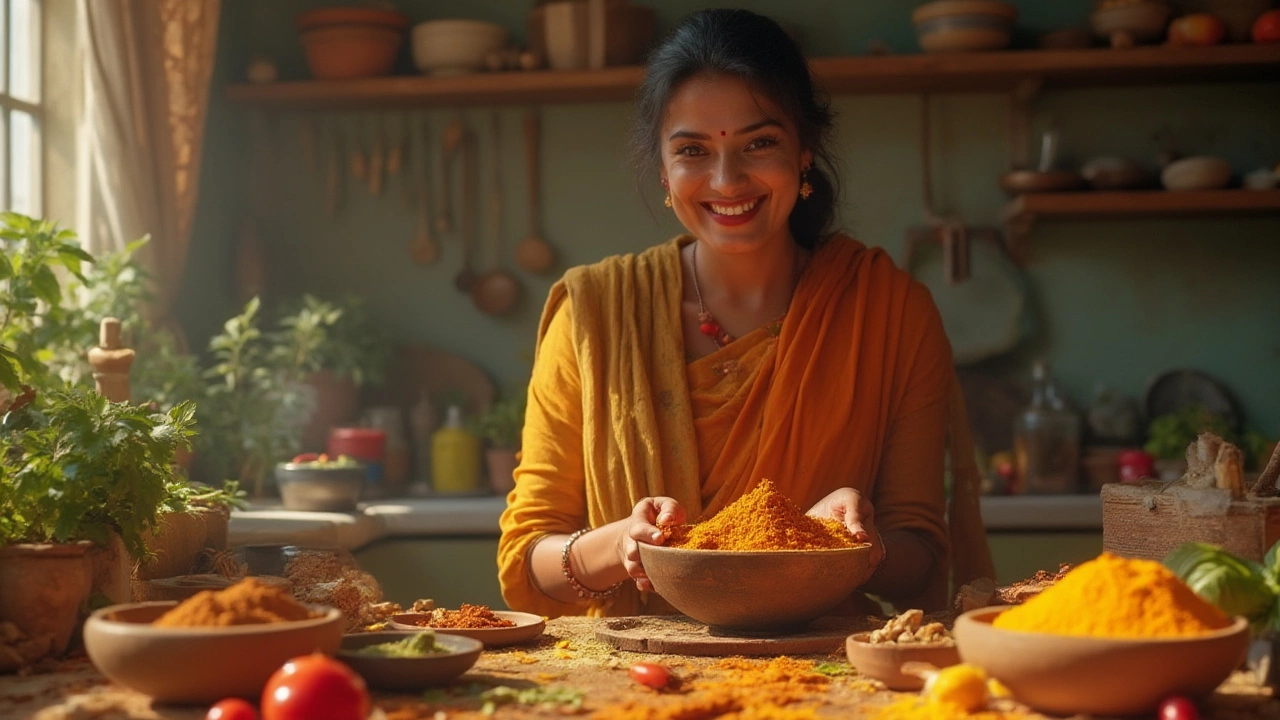
Curry Powder vs Masala: Can You Really Swap Them in Indian Cooking?
Wondering if you can use curry powder instead of masala? Get real answers, practical tips, and the real science behind spice blends and substitutions in Indian cooking.
learn more