Curry Powder: What It Is, How It's Used, and What Replaces It
When you hear curry powder, a standardized blend of ground spices commonly used in Indian and British cooking. Also known as Indian spice blend, it’s the go-to shortcut for adding warmth and color to curries, soups, and roasted vegetables. But here’s the thing—curry powder isn’t something you’ll find in a traditional Indian kitchen. It was created by British colonists trying to replicate the complex spice mixes they tasted in India. Real Indian cooking uses fresh, toasted, and ground spices tailored to each dish—like garam masala, a fragrant, warming blend typically added at the end of cooking, or individual spices like turmeric, cumin, and coriander used in stages.
That’s why so many people get confused. If you open a jar of curry powder from the supermarket, you’re getting a fixed mix—often turmeric, cumin, coriander, fenugreek, and chili. It’s convenient, yes, but it lacks the nuance of homemade blends. In fact, turmeric, the bright yellow spice that gives curry powder its signature color and anti-inflammatory properties is almost always the star. But if you’re using curry powder as a base, you’re missing the chance to layer flavors the way Indian cooks do—by blooming spices in hot oil, then building depth with garlic, ginger, tomatoes, and coconut milk. That’s why recipes here focus on what to use instead, like how to make your own curry powder substitute with whole spices you already have.
You’ll find posts here that explain why curry powder isn’t the same as garam masala, how to fix a bland curry without reaching for the jar, and what to do when you run out of curry powder entirely. Some recipes even show you how to skip it altogether and build flavor from scratch—using fresh turmeric, roasted cumin seeds, or even smoked paprika for depth. Whether you’re making chicken curry, lentil dal, or roasted cauliflower, understanding what’s really in curry powder helps you make better choices. You don’t need to buy it. You can make it. Or better yet—you can skip it and still end up with a dish that tastes like it came from a Mysore home kitchen.
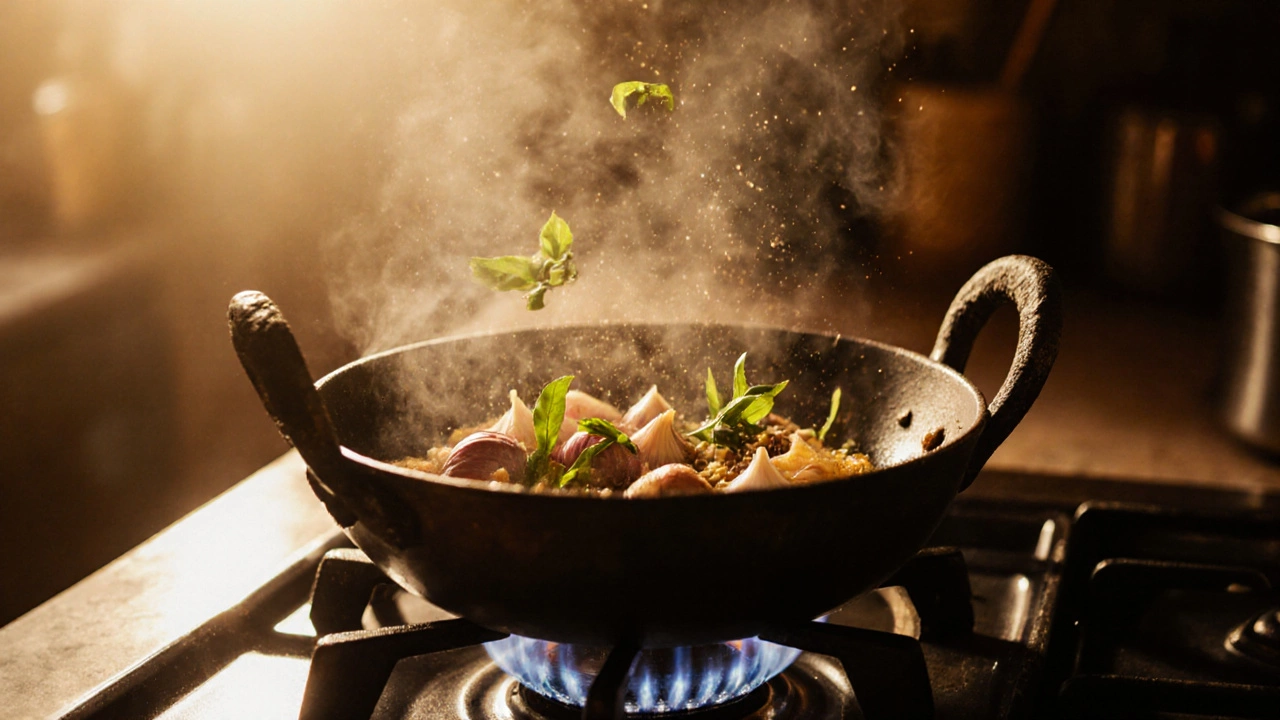
What Are the Most Common Ingredients in Curry?
Discover the essential ingredients that make chicken curry taste authentic - from onions and garlic to turmeric, cumin, and curry leaves. Learn how to build flavor layer by layer without relying on store-bought mixes.
learn more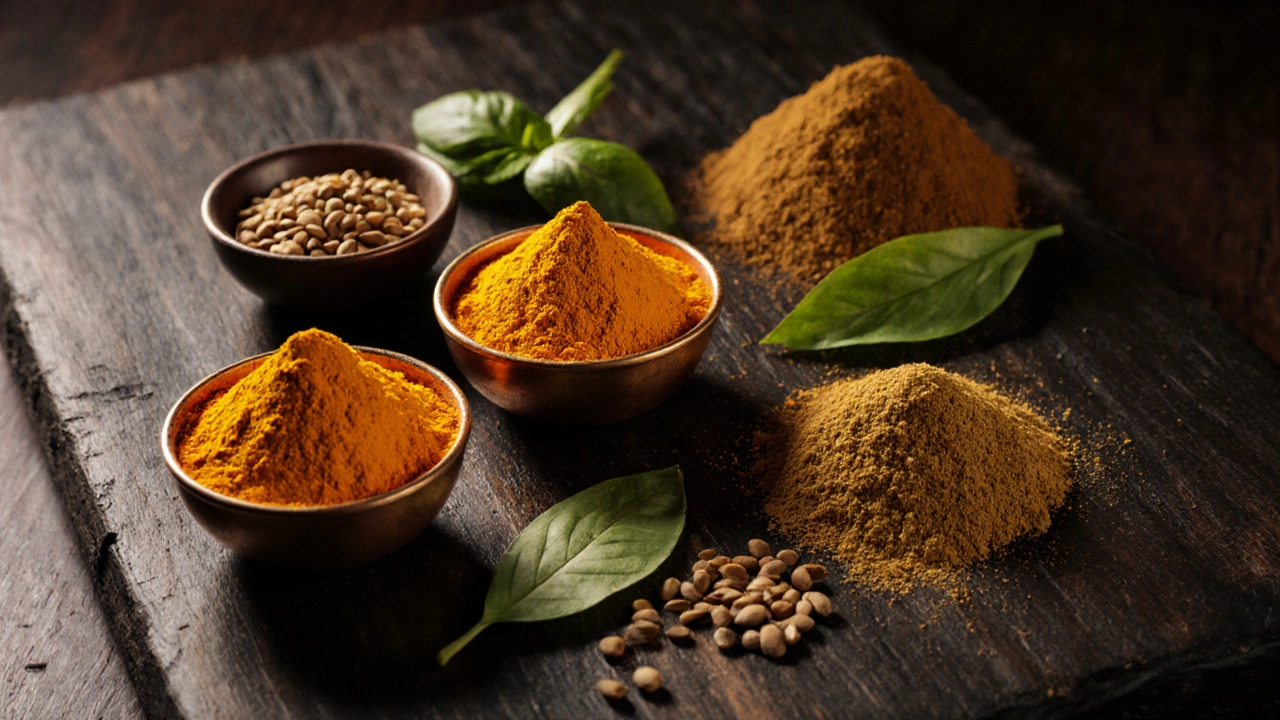
Which ingredient Gives Curry Its Signature Flavor?
Discover the key spices like turmeric, garam masala, cumin, and more that give curry its iconic taste, plus step‑by‑step tips for building a perfect curry base.
learn more
Curry Powder vs Masala: Can You Really Swap Them in Indian Cooking?
Wondering if you can use curry powder instead of masala? Get real answers, practical tips, and the real science behind spice blends and substitutions in Indian cooking.
learn more