Curry Flavors: What Makes Indian Curry Taste So Rich and Deep
When you think of curry flavors, the complex, layered taste profile created by blending spices like turmeric, cumin, coriander, and garam masala in Indian cooking. Also known as Indian spice blends, it’s not a single ingredient—it’s the art of building taste step by step. Most people assume curry powder is the secret, but real curry flavors come from toasting whole spices, frying onions until they melt, and letting garlic and ginger bloom in hot oil. It’s slow, it’s simple, and it’s nothing like the pre-mixed powders on supermarket shelves.
The foundation of any great curry starts with turmeric, a bright yellow spice that adds earthiness and color, and is known for its anti-inflammatory properties. It’s not just for looks—it ties together the other spices. Then comes garam masala, a warm, aromatic blend usually including cinnamon, cardamom, cloves, and black pepper, added at the end to preserve its fragrance. You don’t dump it in at the start. You wait. That’s the difference between a flat, one-note dish and one that unfolds as you eat. And don’t forget curry leaves, a fragrant leaf from the Murraya koenigii tree that adds a citrusy, slightly bitter note unique to South Indian cooking. Skip them, and your curry loses its soul.
Curry flavors aren’t about heat—they’re about balance. A touch of tamarind for sour, a pinch of jaggery for sweetness, a splash of lemon at the end to lift it all up. These aren’t random additions. They’re tools. Every cook in Mysore knows: if your curry tastes dull, it’s not because it’s too mild. It’s because you skipped a step. Maybe you didn’t fry the onions long enough. Maybe you added the spices cold. Maybe you used water instead of stock. The difference between good and great isn’t more chili. It’s attention.
What you’ll find below isn’t a list of recipes. It’s a guide to how real Indian kitchens build flavor—from the exact ratio of spices in a chicken curry base, to why blending onions changes the texture, to how coconut milk stays smooth without curdling. You’ll see how lemon isn’t just a garnish in biryani, why dosa batter needs fermentation, and how chutney isn’t just a side—it’s part of the flavor story. These posts don’t teach you how to make curry. They teach you how to taste it.
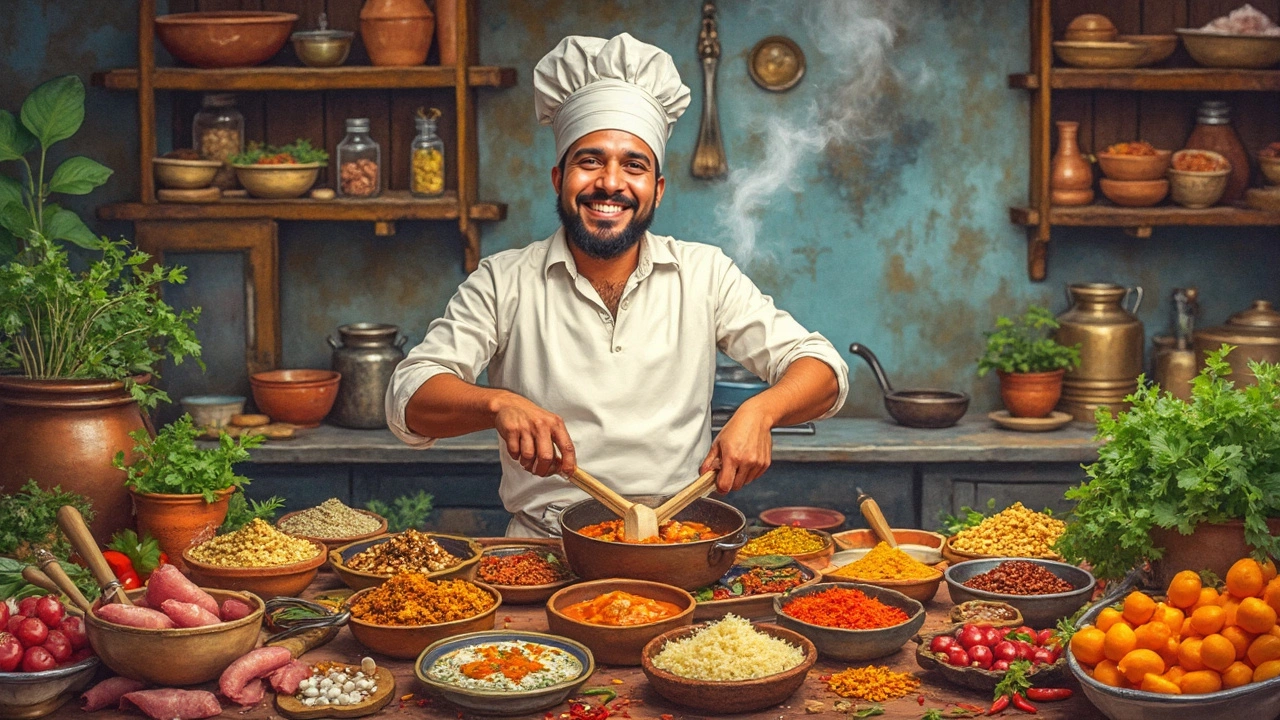
Tastiest Indian Curry: Unveiling the Flavors
Indian curries are a delightful explosion of flavors, each with its own unique twist. While opinions vary, a few curry recipes stand out as particularly scrumptious. Whether it's creamy, spicy, or full of aromatic herbs, the tastiest Indian curry is one that tantalizes your taste buds. This article explores some of the most beloved curries and offers tips to recreate these mouth-watering dishes at home.
learn more