Curry Flavor: What Makes Indian Curry Taste So Deep and Rich
When we talk about curry flavor, the complex, layered taste that defines hundreds of Indian dishes, built from toasted spices, slow-cooked aromatics, and regional ingredients. Also known as Indian spice profile, it’s not a single spice or powder—it’s the result of time, heat, and technique. Most people think curry flavor comes from a jar of curry powder, but that’s like saying pizza flavor comes from oregano. Real curry flavor starts with whole spices—cumin seeds, mustard seeds, fenugreek—frying in hot oil until they snap and smell like earth and smoke. That’s when the magic begins.
This flavor doesn’t happen by accident. It’s built in layers. First, you toast the spices. Then you fry onions until they melt into the oil, not just brown. Garlic and ginger follow, then tomatoes that break down into a thick paste. Turmeric adds color and earthiness, while curry leaves bring a citrusy punch you won’t find in any store-bought blend. And don’t forget the finish—fresh cilantro, a squeeze of lime, or a pinch of sugar to balance it all. These aren’t optional extras. They’re the backbone of what makes a curry taste alive, not just spicy.
Related to this is the curry base, the foundational mixture of fried aromatics and spices that every authentic Indian curry starts with. Skip this, and your dish will taste flat, no matter how much chili you add. Then there’s the Indian spices, a family of seeds, roots, and leaves used in specific combinations that vary by region—from the coconut-heavy curries of Kerala to the tomato-and-dry-chili curries of Maharashtra. And while curry powder, a British invention meant to simplify Indian flavors for Western kitchens might be convenient, it’s a shadow of the real thing. It’s like using pre-ground coffee when you could roast your own beans.
What you’ll find in the posts below isn’t just recipes. It’s the why behind every step. Why do we add lemon to biryani? Why does blending onions change the texture? How do you stop coconut milk from splitting? These aren’t random tips—they’re all pieces of the same puzzle: how to build flavor from scratch. You’ll learn what goes into a real chicken curry, how to fix a bland pot, and why skipping fermentation or using metal bowls can ruin your results. No fluff. No gimmicks. Just the real, tested ways people in Mysore and across South India make their food taste like home.
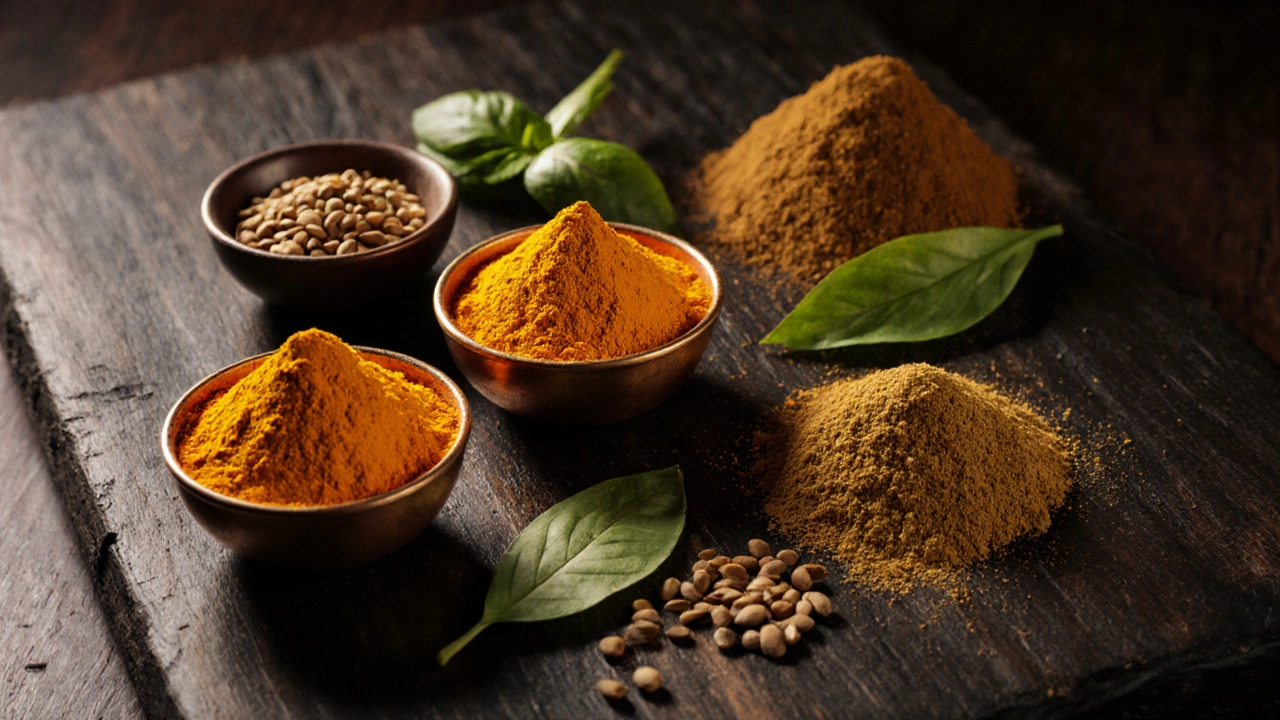
Which ingredient Gives Curry Its Signature Flavor?
Discover the key spices like turmeric, garam masala, cumin, and more that give curry its iconic taste, plus step‑by‑step tips for building a perfect curry base.
learn more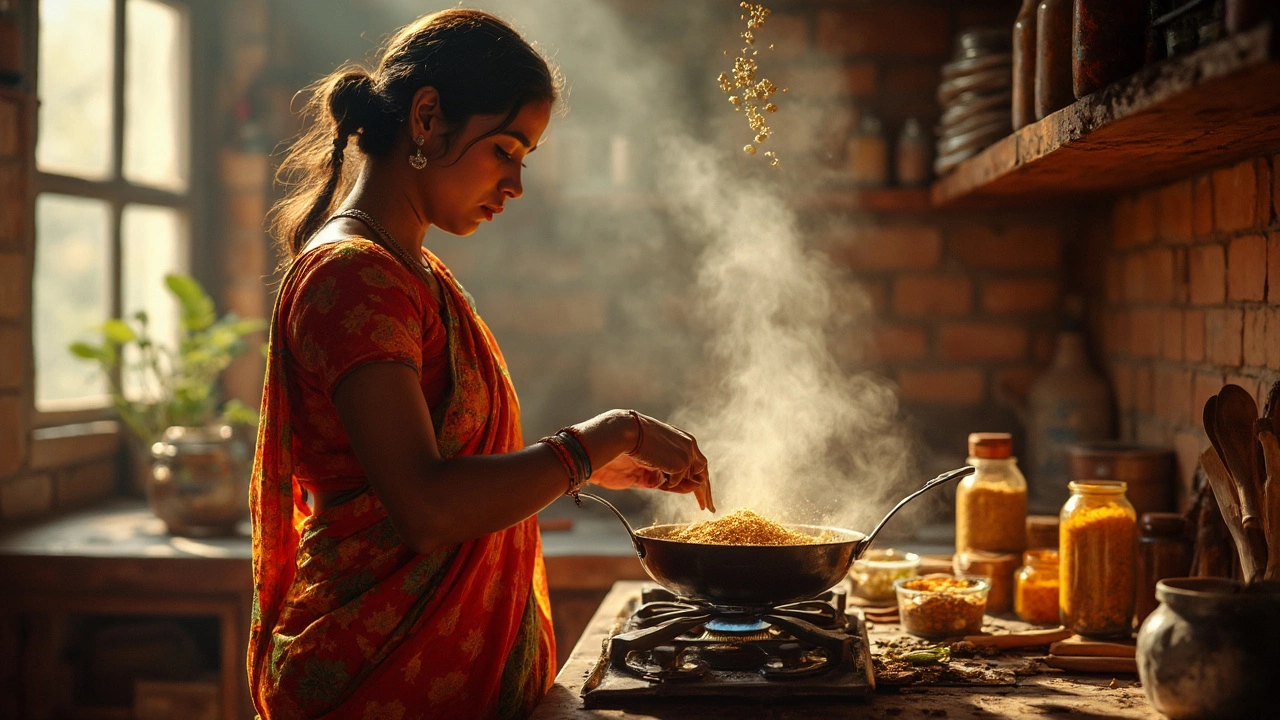
How to Add Rich Depth and Flavor to Your Homemade Curry
Ever wonder why some curries taste like a quick weeknight dinner and others feel like a journey to another continent? This article uncovers what truly brings depth to a curry and how you can layer flavors, choose the right ingredients, and tweak your process at home. Learn practical tips and facts grounded in real experience, so your next curry can have people asking for seconds. We’ll explore everything from spice roasting tricks to the science of mouthfeel, making every bite unforgettable. No chef secrets held back—just good sense and great taste.
learn more