Culinary Secrets from Mysore: Authentic South Indian Recipes and Techniques
When you think of culinary, the art and practice of preparing food, especially with cultural depth and regional specificity. Also known as cooking traditions, it’s not just about following recipes—it’s about understanding why certain ingredients are used, how techniques evolved, and what makes a dish feel like home. In Mysore, culinary isn’t flashy. It’s quiet, patient, and deeply rooted in daily life. From the morning steam of idli to the slow simmer of biryani, every meal carries generations of knowledge.
This region’s culinary style leans on fresh spices, fermented batters, and layered flavors—not heat for heat’s sake. You won’t find a single dish here that doesn’t have a reason behind it. Why is lemon added to biryani? Not for color, but to keep the rice separate and brighten the spices. Why does dosa batter need a 1:3 ratio of urad dal to rice? Because that’s what creates the perfect crispness after fermentation. These aren’t random tips—they’re rules passed down because they work. And they’re the same rules you’ll find in every post here.
You’ll see how dosa batter, a fermented mixture of rice and urad dal used to make crispy South Indian pancakes. Also known as dosa mix, it’s the foundation of breakfast for millions can go wrong—too thick, not fermented enough, wrong pan temperature—and how to fix it. You’ll learn why biryani spices, a blend of whole and ground spices like cardamom, cloves, and bay leaves that build depth in layered rice dishes. Also known as dum masala, they’re the soul of every authentic biryani aren’t just thrown in together, and how timing changes everything. And you’ll discover how chutney pairings, the traditional matches between South Indian condiments and dishes like dosa, samosa, or idli. Also known as condiment combinations, they turn simple meals into balanced experiences make a meal complete—whether it’s coconut chutney with dosa or tomato chutney with vada.
There’s no magic here. Just smart choices: soaking lentils to cut gas, using ghee instead of oil for richer flavor, letting rice parboil just right so it doesn’t turn mushy in biryani. These are the small things that make big differences. And every post here is built around one truth: if you understand the why, you don’t need to memorize the how.
What you’ll find below isn’t a list of recipes. It’s a collection of answers—to questions you didn’t know you had. Why is my dosa soft? What’s the real difference between salsa and chutney? How do you stop coconut milk from curdling? These aren’t niche problems. They’re everyday frustrations for anyone cooking South Indian food at home. And each post gives you a clear, no-fluff fix. No theory. No fluff. Just what works, tested in real kitchens, from Mysore to yours.
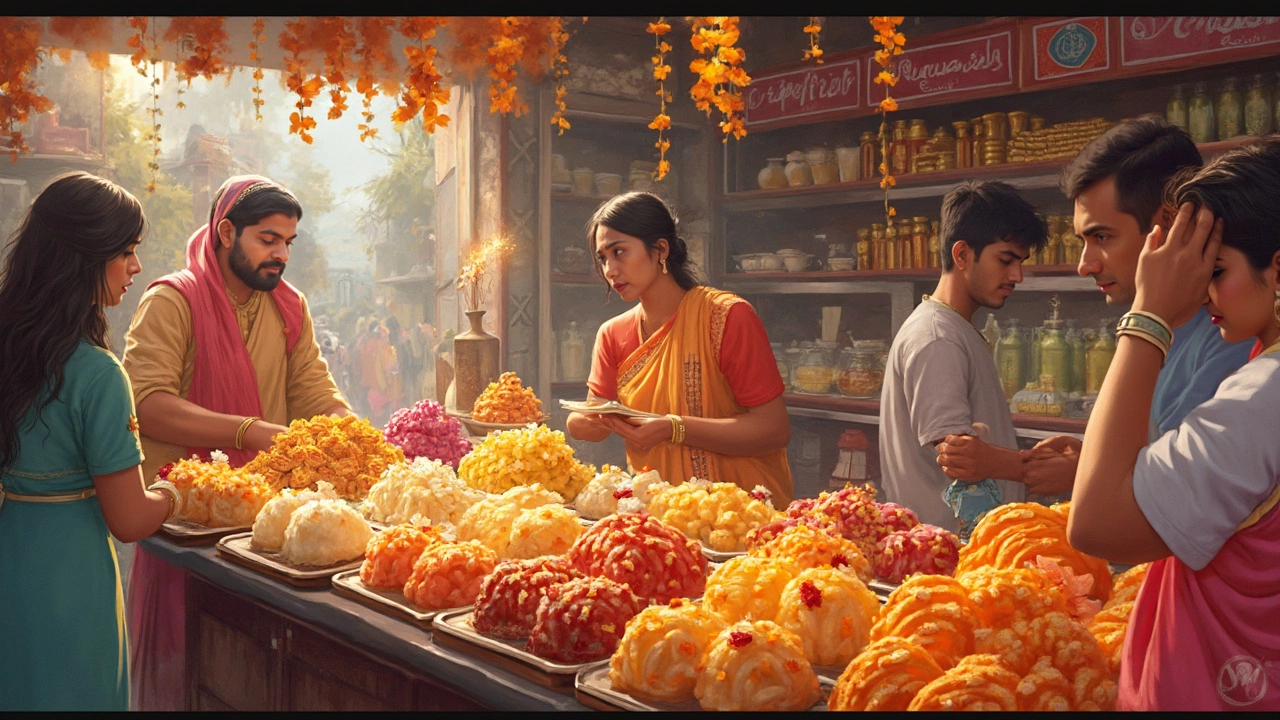
Discovering the Queen of Indian Desserts: Who Takes the Crown?
Indian desserts offer a symphony of flavors and textures, earning titles of sweetness across the globe. From creamy kulfi to syrupy gulab jamun, choosing the queen of these desserts is a deliciously challenging task. Explore the vibrant history, unique ingredients, and a few simple recipes of India's beloved sweets. Whether you're a seasoned cook or a newbie, there's something delightful to discover and savor. Sweet cravings, rejoice as we uncover the top contenders in this sugary showdown!
learn more