Cover Dal: The Simple Lentil Dish That Feeds India
When you think of Indian food, you might picture spicy curries or crispy dosas—but for millions, the real heart of every meal is cover dal, a basic, slow-cooked lentil dish served daily across homes in South India. Also known as tadka dal, it’s not fancy, but it’s the one thing that turns rice or roti into a complete, satisfying meal. This isn’t a restaurant specialty. It’s what your grandmother made on Tuesday mornings, what students eat after late-night study sessions, and what gets served at every family gathering—even when the rest of the menu is simple.
What makes cover dal, a humble preparation of lentils tempered with cumin, mustard seeds, dried red chilies, and garlic so powerful? It’s the balance. The lentils—usually toor dal or urad dal—cook until soft but hold their shape. Then, hot oil crackles with spices and pours over the top. That sizzle isn’t just sound—it’s flavor unlocked. You don’t need a recipe book. You just need a pot, some lentils, and a little patience. And if you’ve ever eaten it with steamed rice and a spoonful of ghee, you know why it’s the most repeated dish in Indian kitchens.
It’s not just about taste. cover dal, a protein-rich, easy-to-digest staple, is tied to digestion, tradition, and daily rhythm. Many families eat it with breakfast, lunch, or dinner—and often all three. It pairs with dosa, a fermented rice and lentil crepe, because the dal softens the crunch. It goes with biryani, a layered rice dish, because it cools the heat. And it’s the reason you don’t feel bloated after eating lentils—properly cooked dal, with a pinch of asafoetida and a good soak, is gentle on the stomach.
There’s no single way to make it. Some add tomatoes. Others throw in curry leaves. A few use coconut milk. But the core stays the same: lentils, water, salt, and that final tempering. The posts below show you how to get it right—whether your dal turns out mushy, too thin, or just bland. You’ll learn how to fix undercooked lentils, how to make the tempering pop, and why soaking matters more than you think. You’ll also see how this dish connects to everything from anti-inflammatory diets to everyday Indian breakfasts. This isn’t about cooking for show. It’s about cooking for life. And if you’ve ever wondered why Indian homes never run out of dal, the answer is right here.
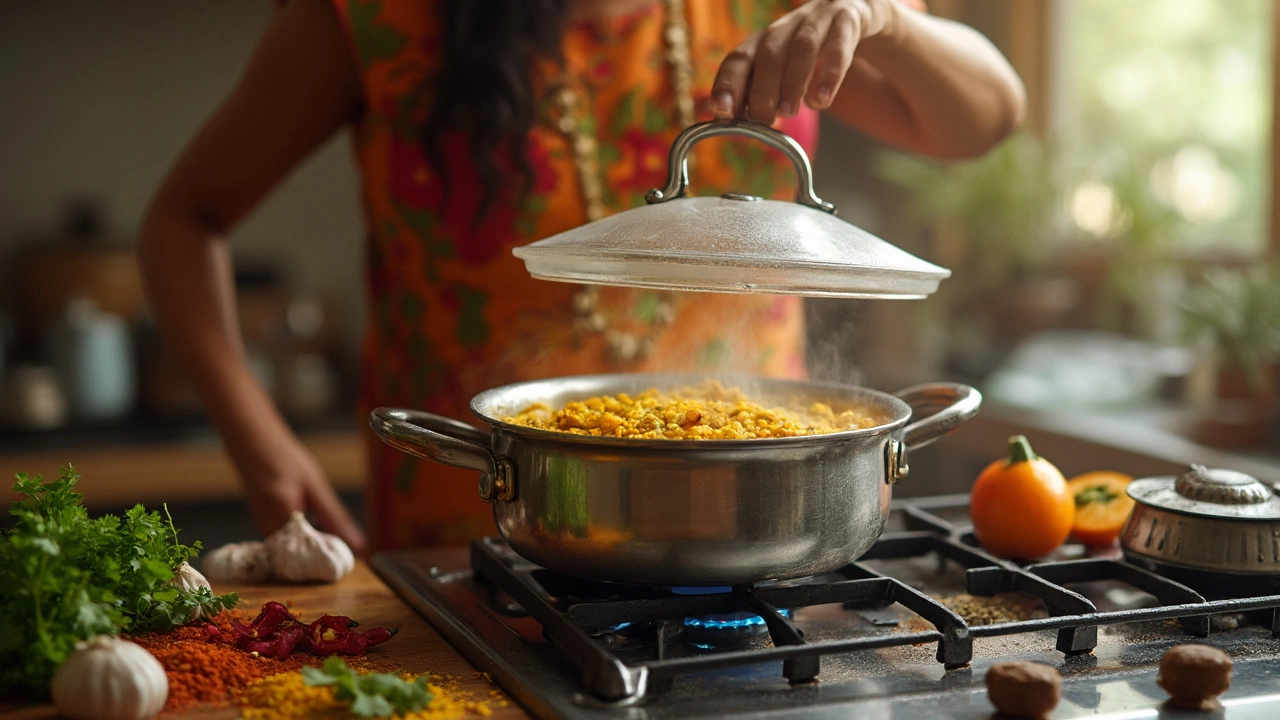
Do You Cover Dal When Cooking? A Straight Answer for Perfect Dal
A lot of people wonder if they should cover dal when cooking, but it's not as simple as yes or no. This article breaks down exactly when to cover your dal, when to keep it open, and what difference it really makes. You'll find out how covering or uncovering affects texture, flavor, and consistency. There are also a few handy tips for common mistakes and quick fixes. If you want your dal to turn out just right every time, read on.
learn more