Cooking Methods: Essential Techniques for Authentic South Indian Flavors
When you think about cooking methods, the specific ways food is prepared to bring out flavor, texture, and aroma. It's not just about what you cook—it's how you cook it. In South Indian kitchens, especially in Mysore, the difference between good and great food comes down to a few key techniques passed down through generations. These aren't fancy tricks. They're simple, precise steps that turn basic ingredients into unforgettable meals.
Take dosa batter, a fermented mix of rice and urad dal used to make crispy South Indian crepes. fermentation isn't optional—it's the heart of the process. Get the ratio wrong, skip the soak, or rush the wait, and your dosa turns soft and sticky. But nail the 1:3 urad dal to rice ratio, let it sit overnight in warmth, and you get that perfect crisp edge and airy center. The same goes for biryani rice, parboiled just right before layering with spices and meat. Boil it too long and it turns mushy. Too short, and it stays hard. Seven to eight minutes is the sweet spot. These aren't guesses—they're tested, repeatable steps that define the dish.
Then there's the curry base, the foundation of almost every Indian curry, built by slowly cooking onions, garlic, ginger, and spices. Some blend onions into a paste. Others fry them whole until golden. Both work, but the method changes the texture and depth. Add coconut milk too fast? It curdles. Skip the mustard seeds and curry leaves? You lose the soul of the flavor. These aren't optional steps—they're the reason your curry tastes like it came from a home kitchen in Mysore, not a restaurant menu.
It’s the same with tandoori chicken—marinating in yogurt, not lemon juice, and never in a metal bowl. Or how you use lemon in biryani—not to make it sour, but to lift the spices and keep the rice separate. Every technique has a reason. No fluff. No guesswork. Just cause and effect.
What you’ll find below isn’t a list of recipes. It’s a collection of real, tested cooking methods—each one pulled straight from kitchens where people cook daily, not just for show. Whether you’re fixing a soggy dosa, balancing spice in biryani, or keeping coconut milk from splitting, the answers are here. No theory. No fluff. Just what works, and why.
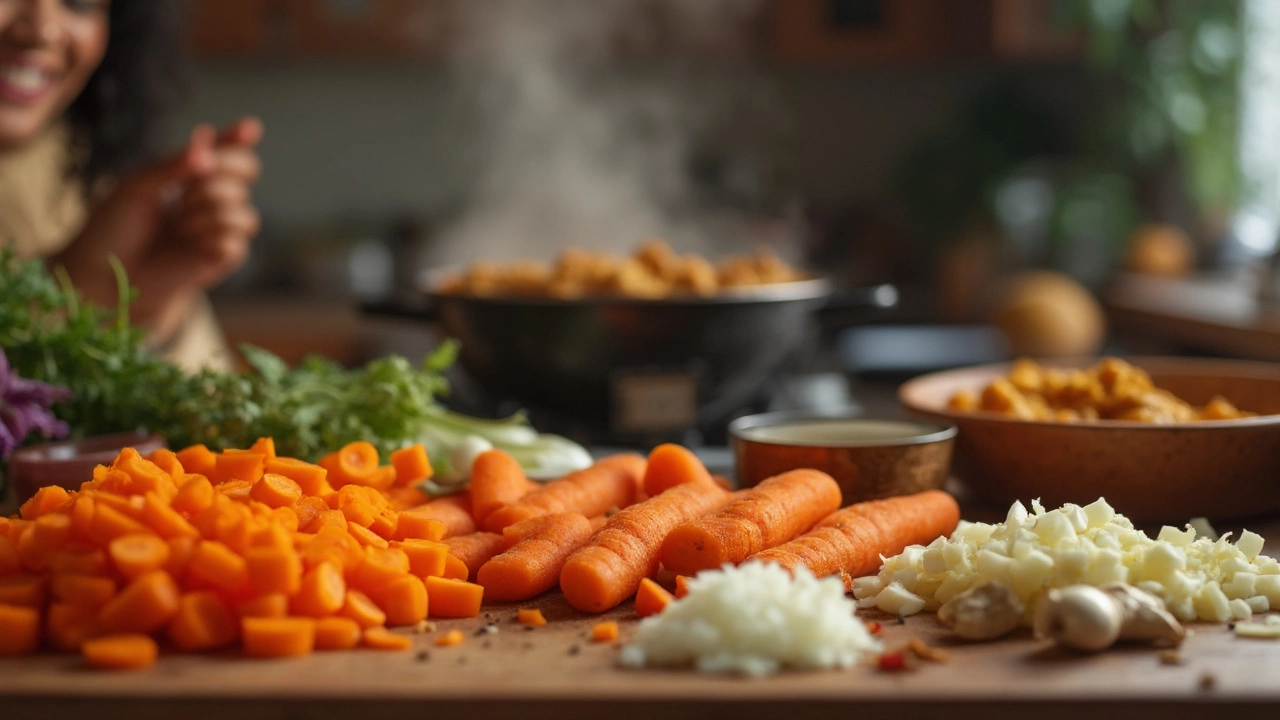
Should I Boil Carrots Before Adding to Chicken Curry?
Ever wondered if you should boil carrots before tossing them into your chicken curry? This article digs deep into the role carrots play in curry, whether parboiling really matters, and how to get perfect texture. You’ll learn how timing and cut size affect tenderness, plus get my go-to tricks for prepping busy weeknight curries. Save yourself from mushy or undercooked carrots with advice that actually works.
learn more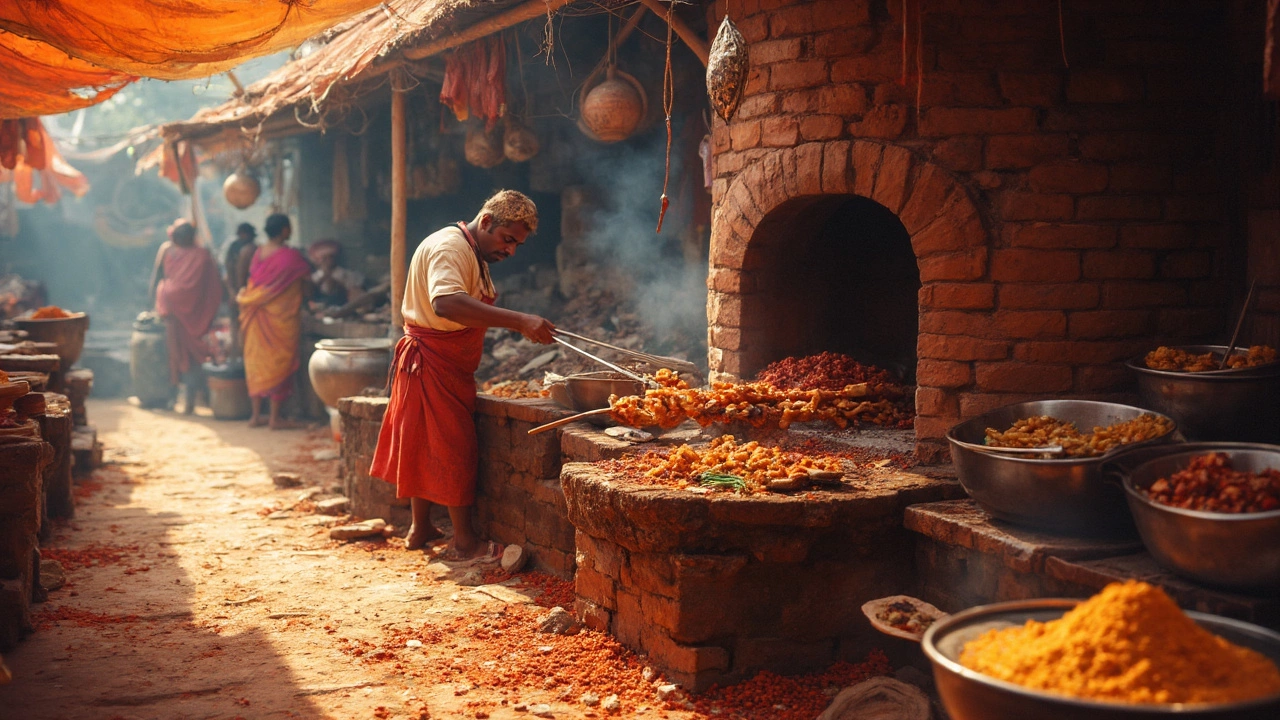
Is Tandoori Chicken Fried or Grilled?
When it comes to tandoori chicken, many wonder if it's fried or grilled. Spoiler alert: it's grilled, but there's more to it than just that. Learn about its unique cooking method, the special spices that give it that iconic flavor, and how it differs from other chicken dishes. Discover tips for making authentic tandoori chicken at home, whether you have a traditional tandoor or just a regular oven.
learn more