Cooking Basmati Rice: How to Get Fluffy, Fragrant Grains Every Time
When you're cooking basmati rice, a long-grain aromatic rice native to the Indian subcontinent, known for its delicate fragrance and non-sticky texture when cooked properly. Also known as Indian basmati, it's the backbone of dishes like biryani, pulao, and jeera rice — but get it wrong, and you end up with gluey, flavorless grains. The secret isn’t fancy equipment or exotic ingredients. It’s timing, water, and a few simple steps most people skip.
Many people boil basmati rice like regular white rice — and wonder why it turns mushy. The truth? Basmati needs to be rinsed until the water runs clear to remove excess starch. Then it needs to soak for 20 to 30 minutes. This lets the grains absorb water slowly, so they cook evenly and stay separate. Skip soaking, and the outside cooks too fast while the inside stays hard. Use too much water? You’ll get sticky rice. Too little? It’s crunchy. The sweet spot is usually 1 cup rice to 1.5 cups water after soaking. And don’t boil it for more than 7 to 8 minutes if you’re making biryani — that’s called parboiling. The rice finishes cooking in the dum, absorbing the spices and steam. That’s why biryani rice, a specific cooking method where partially cooked basmati rice is layered with spiced meat or vegetables and slow-steamed tastes so layered and fragrant. It’s not just the spices. It’s how the rice is treated before it even hits the pot.
Heat matters too. High heat at the start makes the water boil fast, but you need to drop it to low as soon as the water is absorbed. A tight lid is non-negotiable — steam escapes, and so does flavor. And never stir the rice once it’s cooking. That’s how you break the grains and turn them into paste. These aren’t tricks. They’re basics that every South Indian kitchen follows, whether you’re making a simple rice bowl or a festive biryani. If you’ve ever wondered why your rice doesn’t smell like the restaurant version, it’s not the spices. It’s the rice itself — and how you handled it.
Below, you’ll find real fixes for common problems: rice that’s too soft, too hard, or just bland. You’ll see how soaking time changes the texture, why some recipes call for salt in the water, and how parboiling makes all the difference in biryani. These aren’t guesses. They’re what works in homes in Mysore, Bangalore, and beyond — tested, repeated, and trusted.
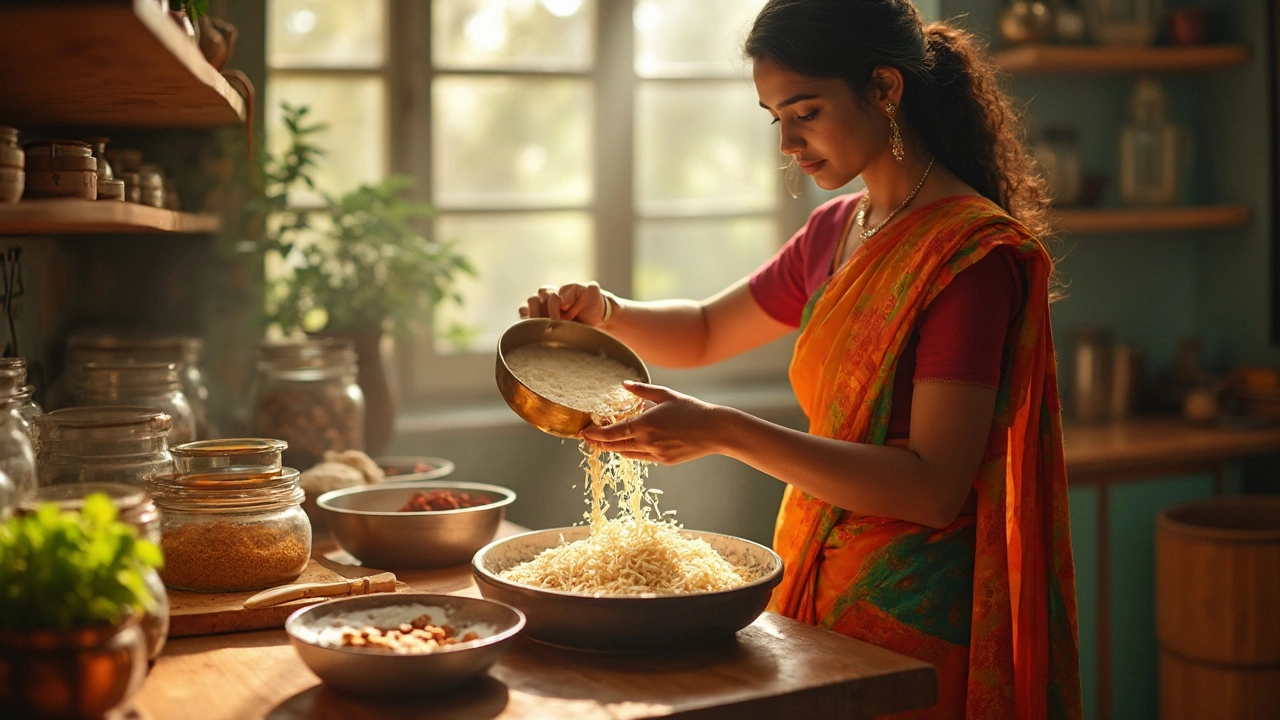
How Long Should I Soak Basmati Rice Before Cooking? Get Perfect Biryani Every Time
Wondering if soaking basmati rice really makes a difference? This article explains exactly how long you should soak it for biryani, why it matters, and what to expect if you skip the step. Learn science-backed tips to avoid mushy or clumpy rice, and find out a few hacks when you’re short on time. Master your rice texture for biryani—never guess again about soaking times.
learn more