Cooking in Mysore: Authentic South Indian Techniques and Secrets
When you think of cooking, the hands-on process of preparing food using traditional methods, tools, and ingredients. Also known as Indian home cooking, it's not just about following recipes—it's about timing, heat, and knowing when to stop stirring. In Mysore, cooking means waking up to the smell of fermenting rice and urad dal, the sizzle of mustard seeds in hot oil, and the slow steam of biryani sealed in a pot. This isn’t fancy restaurant food. This is what people eat every day—simple, layered, and full of soul.
Real South Indian cooking, a style rooted in regional ingredients, fermentation, and spice layering, especially from Karnataka and Tamil Nadu doesn’t rely on pre-made powders. It builds flavor step by step: onions fried until golden, turmeric bloomed in oil, curry leaves crackling at the right moment. The dosa batter, a fermented mix of rice and urad dal that must rest overnight to become light and crisp isn’t just mixed—it’s watched, tested, and trusted. Too thick? Too thin? Too cold? It won’t crisp up. And biryani rice, parboiled just right so each grain stays separate, fragrant, and firm doesn’t cook in one pot—it’s layered with spices, meat, and saffron, then sealed and steamed slowly. You can’t rush this. You can’t skip the soaking. You can’t substitute the ghee.
And then there’s the curry spices, the core blend of cumin, coriander, turmeric, and black pepper that forms the backbone of every Indian stew. No single spice makes a curry. It’s the order they’re added, the heat they’re cooked on, and how long they bloom that turns ordinary ingredients into something unforgettable. Skip the lemon in biryani? The dish feels flat. Use metal for tandoori marinade? The chicken turns gray. These aren’t myths—they’re rules written in decades of kitchen experience.
What you’ll find here aren’t just recipes. They’re fixes, explanations, and little-known tricks from kitchens where cooking isn’t a hobby—it’s a habit. Whether you’re struggling with soft dosas, over-spiced biryani, or curdled coconut milk, the answers are here. No fluff. No guesswork. Just what works.
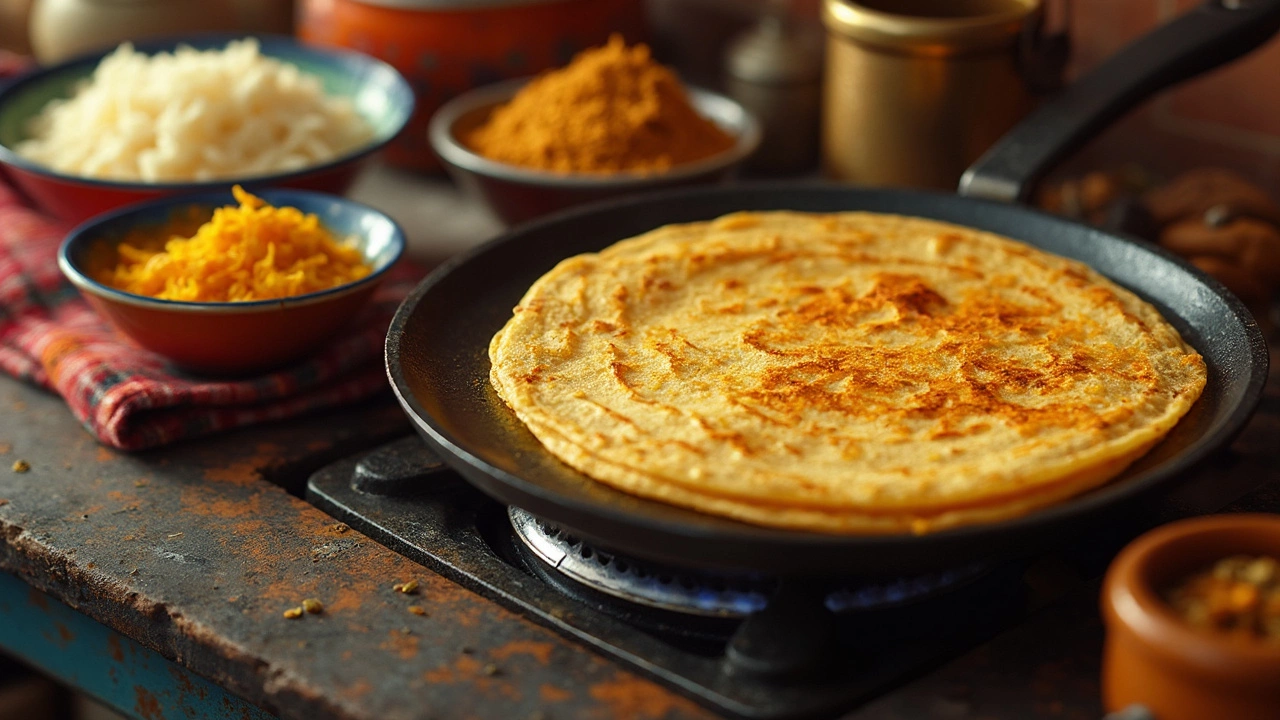
What Happens When Extra Urad Dal Joins Your Dosa Batter
Exploring the impact of adding more urad dal to your dosa batter can transform your cooking game. More urad dal can mean fluffier dosas, but it's a balancing act with the rice-to-lentil ratio. This tweak influences the taste, texture, and nutritional value of your breakfast staple. Discover how to perfect the mix and impress your taste buds. Learn with practical tips and cautionary notes on batter tweaks.
learn more