Coffee in India: How It's Brewed, Served, and Loved Across the Country
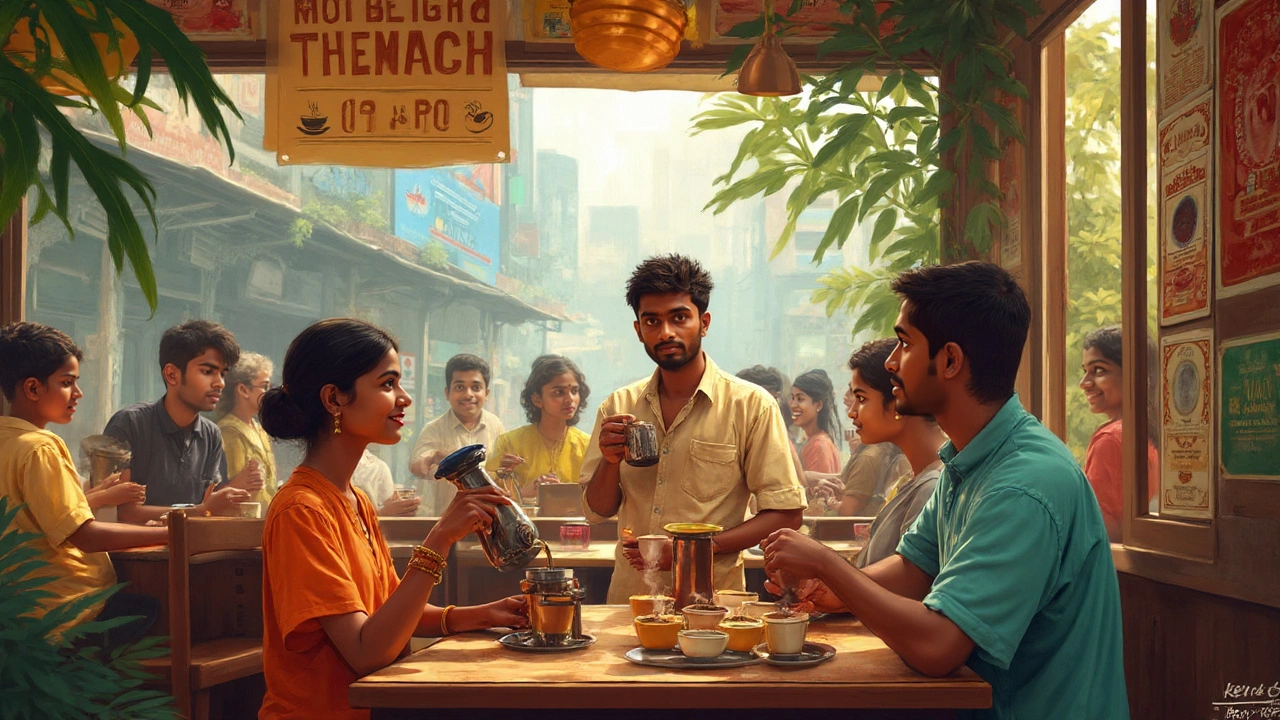
When you think of coffee in India, a deeply rooted cultural ritual that blends tradition, aroma, and daily rhythm. Also known as filter coffee, it’s not just a morning pick-me-up—it’s a slow, steady companion to conversations, newspapers, and quiet starts. Unlike espresso shots or lattes, Indian coffee is brewed low and slow, using a metal filter, coarse grounds, and a splash of hot milk. It’s served in a tumbler and davara, poured from a height to cool it just right. This isn’t imported coffee culture—it’s homegrown, handed down, and deeply personal.
Behind every cup of South Indian filter coffee, a signature blend of chicory and Arabica beans, roasted and ground by hand in Karnataka and Tamil Nadu lies a story. The beans come from the Western Ghats, where small farms grow coffee under shade trees, just like they did 150 years ago. The chicory? That’s the secret. It adds body, reduces bitterness, and gives the brew its dark, earthy depth. You won’t find this blend in Starbucks. You’ll find it in homes in Mysore, on the streets of Bangalore, and in the kitchens of families who’ve made this ritual non-negotiable.
coffee culture India, a blend of social ritual, regional pride, and quiet rebellion against fast food trends thrives because it demands time. No machines. No buttons. Just patience. People don’t rush it. They wait for the drip. They wait for the milk to warm. They wait to sip it slowly. This isn’t caffeine delivery—it’s mindfulness in a cup. Even in cities where everyone’s in a hurry, you’ll see men and women pausing at roadside stalls, holding their tumbler, watching the world go by. It’s the same in villages, where coffee is served with breakfast dosas or after lunch, never without.
And it’s not just about taste. The way it’s made—using a stainless steel filter, the right grind, the perfect water temperature—is passed down like a recipe. Grandmothers teach granddaughters how much chicory to mix, how long to let it drip, how much sugar to add. It’s not measured in spoons. It’s felt. You learn by watching. You learn by tasting. You learn by being there.
What you’ll find in the posts below are real, practical insights into how coffee in India is made, served, and why it sticks. You’ll learn why some families roast their own beans, how the water quality changes the flavor, and why adding milk before the coffee is the only way it’s done. You’ll also see how this drink connects to other Indian staples—from breakfast dosas to evening snacks. There’s no fancy barista here. Just tradition, taste, and a whole lot of heart.
Coffee in India: Can You Drink It, Where, and What to Expect
Thinking about drinking coffee in India? Discover India's surprising coffee culture, best coffee types, safety tips, and unique finds for travelers and locals.
learn more