Chutney Disadvantages: What You Need to Know Before Using It
When you think of chutney, a tangy, spicy condiment from South Asian kitchens, often made with fruits, herbs, or vegetables and used to enhance meals. Also known as Indian relish, it's a staple in homes from Mysore to Mumbai, pairing perfectly with dosas, samosas, and biryanis. But while it brightens up a plate, chutney isn’t without its downsides. Many assume it’s just a healthy flavor booster, but the reality is more complex.
One major issue is sugar content, a common ingredient in many traditional and store-bought chutneys to balance acidity and extend shelf life. A single tablespoon of mango or tamarind chutney can contain 5–8 grams of added sugar—nearly two teaspoons. That’s not a problem if you use it sparingly, but if you’re dolloping it on every snack, that sugar adds up fast. For people watching their blood sugar or trying to cut down on processed sweets, this hidden sugar is a silent concern.
Then there’s storage and spoilage, a real issue with homemade chutneys that lack preservatives. Unlike commercial jars with vinegar and preservatives, fresh chutneys made with coconut, coriander, or mint can turn sour or moldy in just 3–5 days if not refrigerated properly. People often make big batches, thinking they’re saving time, but end up wasting food—or worse, eating something that’s gone bad. And while refrigeration helps, it doesn’t stop fermentation from changing flavor over time.
Another hidden drawback? digestive discomfort, especially from chutneys loaded with raw garlic, chili, or fermented ingredients. If you’re not used to spicy or pungent foods, eating chutney on an empty stomach can trigger bloating, heartburn, or even acid reflux. It’s not the chutney itself—it’s the combination of strong spices and acidity hitting a sensitive system. That’s why many South Indian families serve it alongside rice or dosa, not as a standalone snack.
And let’s not forget the salt. Many chutneys, especially tamarind or coconut ones, use rock salt or sea salt generously. For those managing hypertension or kidney health, that extra sodium can sneak in without you noticing. Unlike salt you add while cooking, chutney’s salt is already mixed in—so you don’t even realize how much you’re consuming.
It’s not that chutney is bad. Far from it. Used wisely, it’s a burst of tradition and flavor. But treating it like a harmless garnish is where things go wrong. The real trick is knowing when to hold back. If you’re eating chutney daily, check the ingredients. Make smaller batches. Skip the sugar if you can. Store it right. And don’t assume that because it’s natural, it’s always safe.
Below, you’ll find real-life stories and fixes from people who’ve run into these exact problems—how one woman cut sugar in her mango chutney without losing taste, why a family switched to freezing small portions, and how to tell if your chutney is still good after a week. These aren’t theory-based tips. They’re kitchen-tested solutions from cooks who’ve been there.
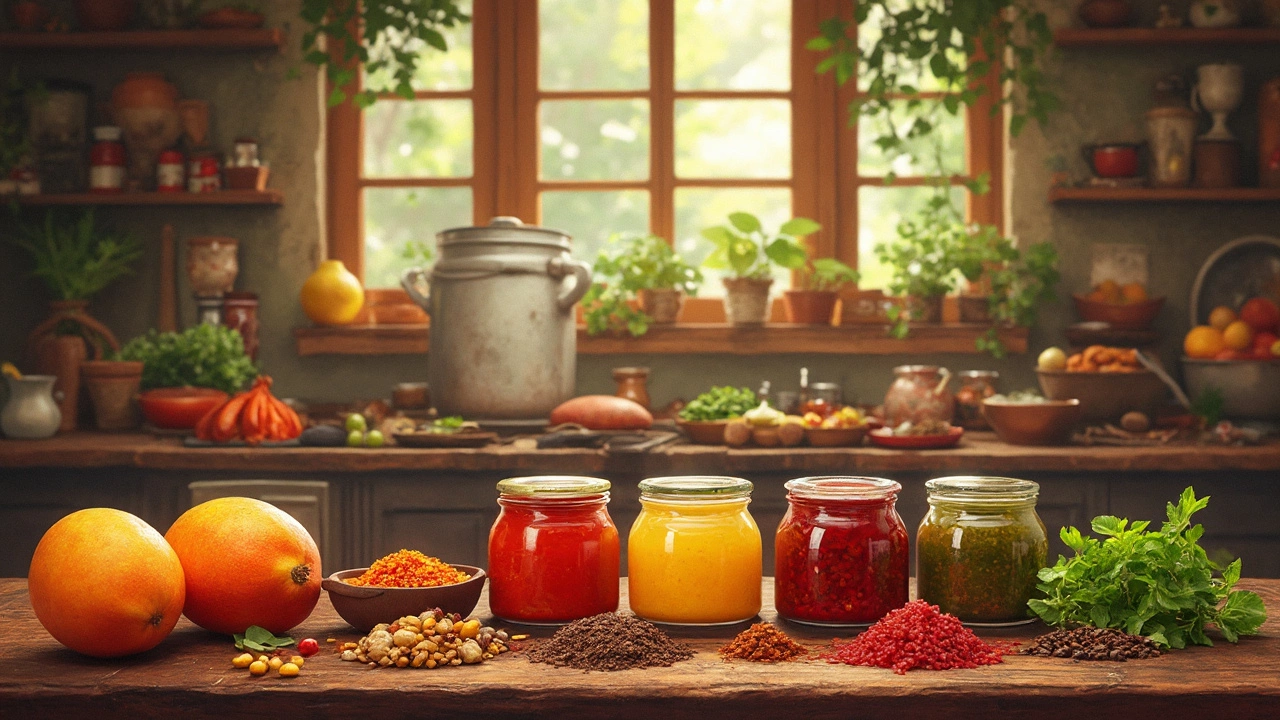
Chutney Disadvantages: What to Watch Out For
Chutney adds a zing to our meals, but it's not all sunshine and spice. While it can enhance flavors, it's essential to be aware of its downsides. From the hidden sugar to potential allergic reactions, chutney might not be as innocent as it looks. Discover these pitfalls and some handy tips so you can enjoy your favorite chutney without a hitch.
learn more