Chicken Marinating: Secrets to Tender, Flavorful Results
When you chicken marinating, the process of soaking chicken in a mixture of spices, acids, and oils to enhance flavor and texture. Also known as marinating chicken, it’s not just about adding taste—it’s about breaking down fibers so every bite stays juicy, even after cooking. Skip this step, and your chicken might taste bland or dry, no matter how well you grill or fry it.
What makes Indian chicken marinating different? It’s the spice blend, a mix of turmeric, cumin, coriander, chili, and curry leaves that build deep, layered flavor. Unlike Western marinades that rely mostly on vinegar or lemon, Indian versions use yogurt or buttermilk as the base. The lactic acid gently tenderizes without making the meat mushy. And it’s not just about the ingredients—it’s timing. Marinate for at least 4 hours, but overnight is best. That’s when the spices really sink in, and the yogurt starts working its magic.
People often think marinating is only for grilled chicken, but it’s essential for tandoori, butter chicken, and even fried dishes like chicken 65. The marinade doesn’t just coat the surface—it becomes part of the meat. Even if you’re using boneless thighs or drumsticks, the right marinade makes all the difference. And don’t forget the salt. It’s the unsung hero that helps the spices stick and pulls moisture into the meat. Skip salt, and you’ll taste the spices, but not the depth.
You’ll find plenty of tips in the posts below about how to balance heat, when to add garlic and ginger, and why some cooks swear by mustard oil in their marinades. There are also fixes for when your chicken turns out too salty, too spicy, or not tender enough. Whether you’re new to Indian cooking or just want to level up your chicken game, the recipes and tricks here are all about getting real results—no guesswork, no fluff.
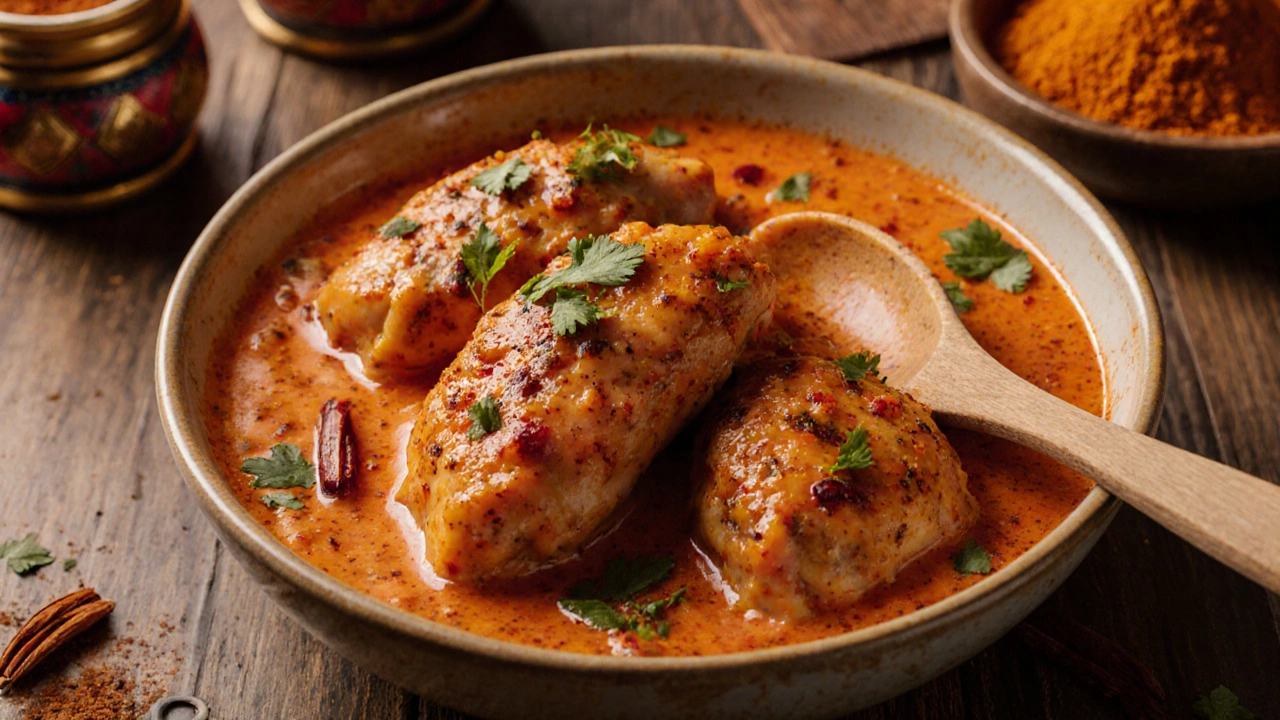
What to Avoid When Marinating Tandoori Chicken
Avoid these 10 common mistakes when marinating tandoori chicken-wrong yogurt, too much oil, sugar, metal bowls, and more. Learn what really makes it tender, flavorful, and safe to eat.
learn more