Carbon Dioxide in Cooking: How It Affects Fermentation, Baking, and Flavor
When you see bubbles forming in your dosa batter, a fermented mixture of rice and urad dal used to make crispy South Indian pancakes, you’re watching carbon dioxide, a colorless gas produced by microorganisms during fermentation at work. It’s not magic—it’s biology. That same gas is what makes bread rise, gives chutneys their slight fizz, and even helps tenderize meats in slow-cooked dishes. Without carbon dioxide, many of India’s most beloved foods wouldn’t exist in their familiar form.
This gas is the quiet hero behind fermentation. In urad dal, a black lentil essential for dosa and idli batter, bacteria break down starches and sugars, releasing carbon dioxide as a byproduct. That’s why your batter puffs up overnight—it’s breathing. The same process happens in yogurt-based marinades for tandoori chicken, where lactic acid bacteria produce tiny amounts of CO2 that help tenderize the meat. Even in biryani, a layered rice dish cooked slowly to trap aromas and steam, the trapped gases from simmering spices and rice contribute to the texture of the final dish. Carbon dioxide doesn’t add flavor directly, but it changes how flavors develop, how textures form, and how ingredients interact.
Missing this gas? Your dosa will be flat. Your idli will be dense. Your chutney might not bubble the way it should. And that’s not just about technique—it’s about understanding the science behind your ingredients. The posts below dive into exactly how this invisible force shapes everyday Indian cooking: why the right rice-to-lentil ratio matters for fermentation, how heat affects gas production in batter, and why skipping fermentation ruins texture. You’ll also find tips on fixing soft dosas, perfecting biryani rice, and balancing flavors that rely on natural gas-driven processes. This isn’t chemistry class—it’s your kitchen, and carbon dioxide is the silent partner making it all work.
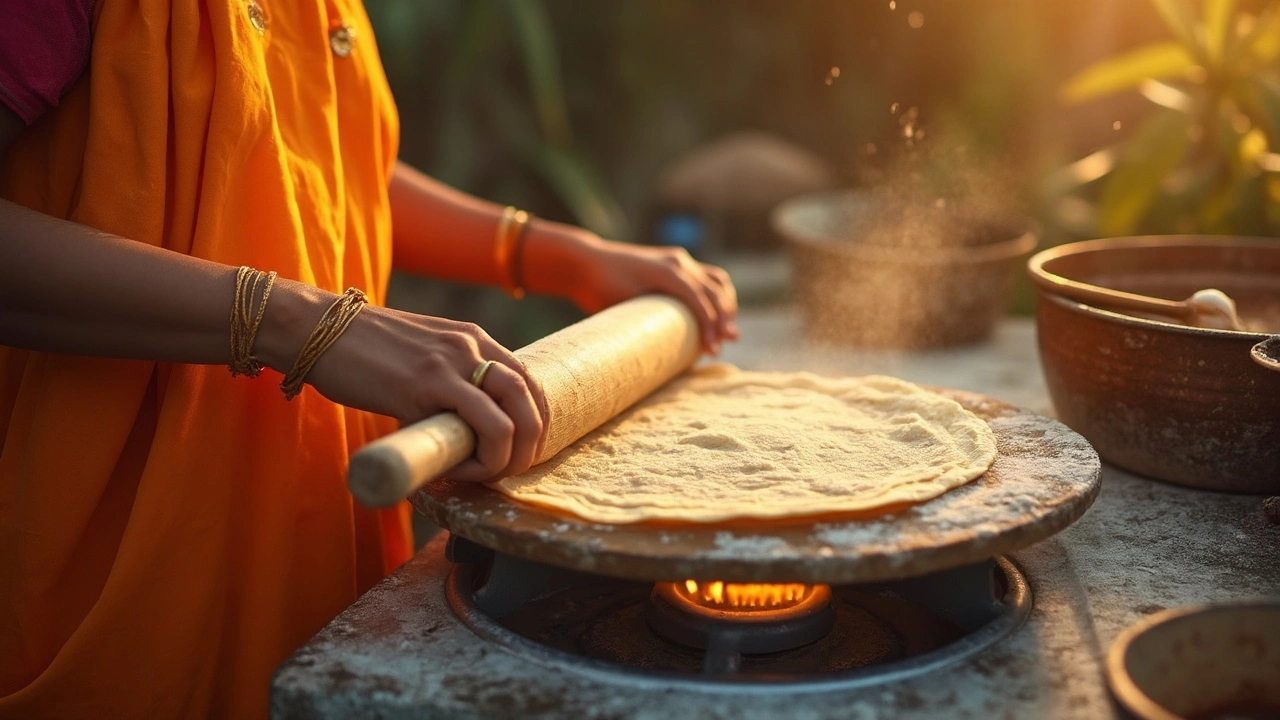
Which Gas Makes Roti Fluffy? Roti Science, Explained Simply
Ever wondered why some rotis puff up perfectly while others stay flat? This article digs into the science behind what really makes roti fluffy. Find out which gas is at play and how simple tweaks in your kneading and cooking steps can make a big difference. No jargon, just straightforward tips that work in any home kitchen. Perfect for anyone who wants soft, puffed rotis every time.
learn more