Breakfast Culture in India
When you think of breakfast culture in India, a vibrant, regionally diverse system of morning meals rooted in centuries of tradition, ingredient availability, and daily rhythm. Also known as Indian morning food, it’s not just about eating—it’s about starting the day with energy, flavor, and a deep connection to home. Unlike Western breakfasts that often stick to toast or cereal, India’s morning routine is built around steaming idlis, golden dosas, spicy poha, and fragrant upma. These aren’t weekend treats—they’re daily rituals, made fresh by millions before sunrise, often without fancy equipment, just a griddle, a mortar, and patience.
At the heart of this culture is South Indian breakfast, a category defined by fermented rice and lentil batters, minimal oil, and a focus on digestibility and balance. Also known as traditional Indian breakfast, it includes dishes like dosa, idli, and vada, each requiring careful soaking, grinding, and waiting for natural fermentation. This isn’t rushed cooking—it’s timed with the sun, the temperature, and the rhythm of the household. The dosa, a thin, crispy crepe made from fermented rice and urad dal batter. Also known as South Indian pancake, it’s the most recognizable symbol of this tradition, served with coconut chutney and sambar, both made from scratch daily. The idli, a soft, steamed cake made from the same batter, offers a gentle, comforting start, often eaten with the same chutneys and lentil stew.
But breakfast culture in India isn’t limited to the south. In the north, parathas stuffed with potatoes or paneer are fried on griddles, while in the east, pithas and chira-muri are sweet or savory bites made from rice. In Maharashtra, poha—flattened rice cooked with mustard seeds, curry leaves, and peanuts—is the go-to. These meals aren’t chosen for trendiness; they’re chosen because they work: they’re filling, easy on the stomach, and packed with flavor from spices used daily. The real secret? No one eats store-bought cereal here. Even in cities, people make their own batter the night before, or buy it fresh from the neighborhood vendor at 6 a.m. It’s a system built on trust, repetition, and taste.
What you’ll find below is a curated collection of posts that dig into exactly how these meals come together. You’ll learn why the ratio of urad dal to rice matters for dosa crispness, what happens when fermentation fails, and how chutneys and sambar complete the picture. You’ll also see why simple staples like rice, lentils, and spices dominate daily plates—not because they’re cheap, but because they’re essential. This isn’t about exotic food. It’s about what millions eat every single morning, and why it still tastes better than anything you can buy in a box.
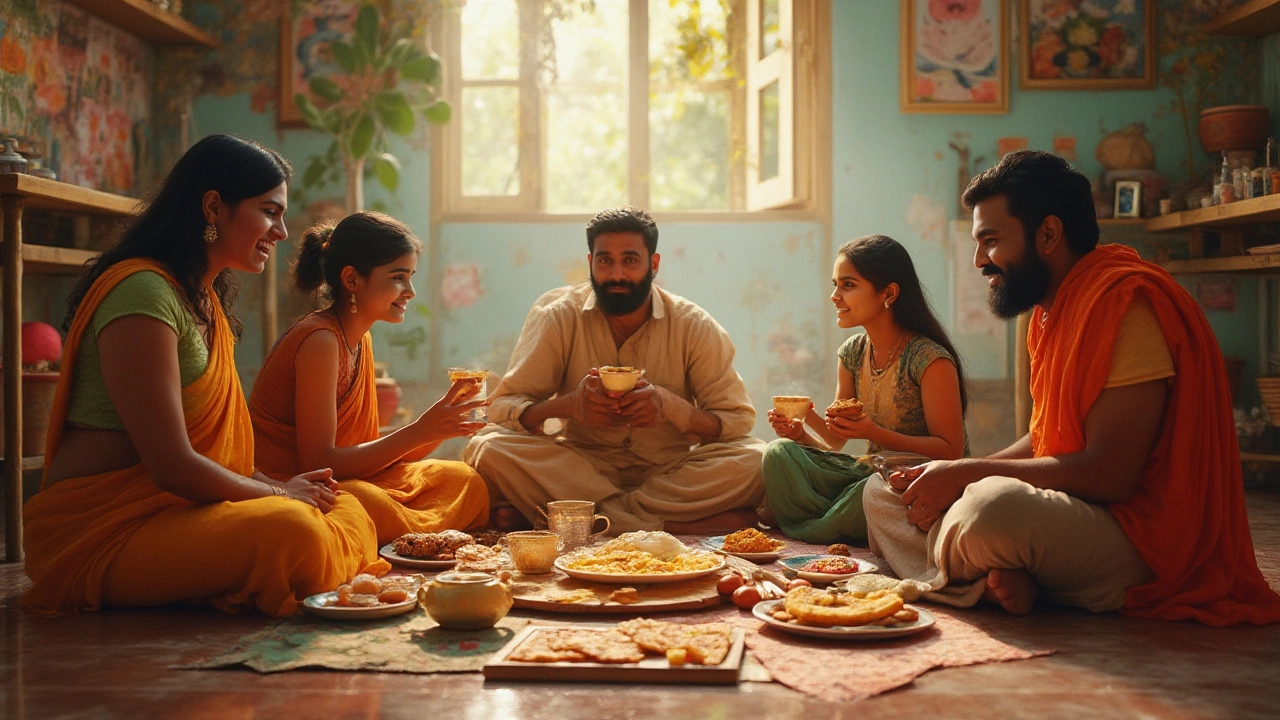
Indian National Breakfast: Must-Try Morning Dishes & Surprising Breakfast Facts
Discover what Indians eat for breakfast, why there's no official national breakfast, and which dishes stand out as favorites across India's diverse regions.
learn more