Boiling Vegetables: How to Do It Right Without Losing Flavor or Nutrients
When you boil vegetables, the simple act of cooking them in hot water, you’re not just heating food—you’re shaping taste, texture, and nutrition. Too long, and they turn soggy and dull. Too short, and they’re crunchy and raw-tasting. The trick isn’t in the pot or the heat—it’s in timing, prep, and knowing which veggies need what. This isn’t just about following a timer; it’s about understanding how water interacts with plant cells, how heat affects natural sugars, and why some veggies hold up better than others.
Parboiling, a quick partial boil before finishing in another method, is a common technique in South Indian kitchens, especially for dishes like sambar or stir-fried veggies. It’s not about cooking them all the way—it’s about softening them just enough so they finish evenly later. Same goes for vegetable texture, the firmness or tenderness you want after cooking. Carrots need more time than spinach. Broccoli holds its crunch better than zucchini. And potatoes? They absorb water like a sponge—boil them too long, and they fall apart. That’s why many home cooks in Mysore prefer to steam or simmer veggies gently instead of rolling them in a rolling boil.
One big mistake? Boiling veggies in plain water with no salt. A pinch of salt doesn’t just add flavor—it helps preserve color and keeps cell walls from breaking down too fast. Another? Covering the pot. That traps steam and cooks them faster than you think, turning crisp-tender into mush. And don’t forget: some nutrients, like vitamin C and B vitamins, dissolve into the water. That’s why many traditional recipes use the cooking water in gravies or dals—it’s not waste, it’s flavor locked in.
You’ll find posts here that dive into how to boil vegetables for biryani, how to keep them bright after cooking, and why some Indian households skip boiling entirely for steaming or stir-frying. You’ll see real tips from people who cook these dishes daily—not theory, not food blogs, but kitchen-tested methods that work in a busy home. Whether you’re making a simple dal with boiled carrots or prepping veggies for a curry, the goal is the same: keep them alive in flavor, not just in color.
What you’ll find below isn’t a list of generic instructions. It’s a collection of real fixes, real mistakes, and real solutions from cooks who’ve learned the hard way. No fluff. No guesswork. Just what works when you’re standing at the stove, wondering why your veggies turned out wrong—and how to fix it next time.
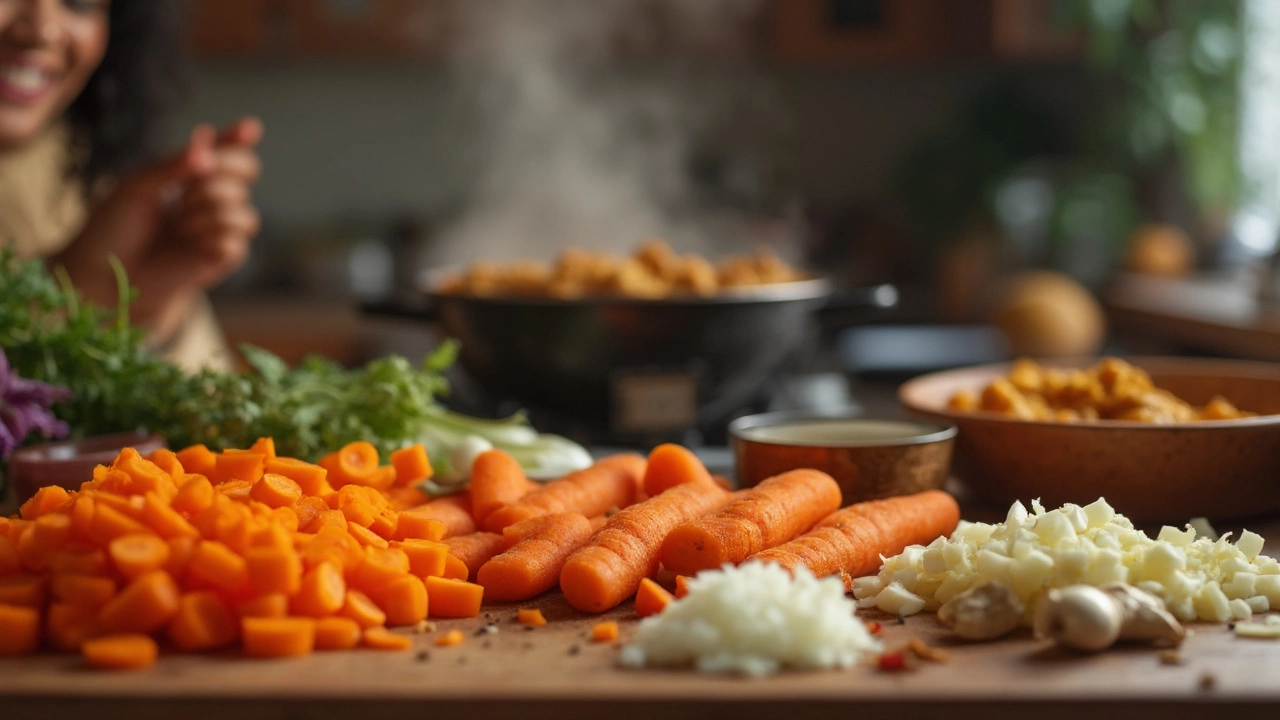
Should I Boil Carrots Before Adding to Chicken Curry?
Ever wondered if you should boil carrots before tossing them into your chicken curry? This article digs deep into the role carrots play in curry, whether parboiling really matters, and how to get perfect texture. You’ll learn how timing and cut size affect tenderness, plus get my go-to tricks for prepping busy weeknight curries. Save yourself from mushy or undercooked carrots with advice that actually works.
learn more