Biryani Spice Level: How Hot Should Your Biryani Really Be?
When you think of biryani spice level, the intensity of heat in a layered rice dish that balances aromatic spices, slow-cooked meat, and fragrant basmati. It's not just about how much chili you toss in—it's about how the whole spice blend sings together. A biryani can be gentle enough for kids and still packed with flavor, or it can knock your socks off with layers of black pepper, green chilies, and dried red chilies. The heat isn’t an afterthought; it’s part of the soul of the dish.
Regional styles make a huge difference. In Mysore, biryani leans toward earthy warmth from cinnamon, cardamom, and a hint of clove, with just enough heat to wake up your palate—not burn it. In Hyderabad, the spice level climbs higher, thanks to Kashmiri chilies and a touch of fiery red chili powder. And in Kolkata, it’s often milder, letting the saffron and fried onions shine. The biryani spices, a mix of whole and ground spices like cumin, coriander, fennel, and star anise that build depth before heat ever enters are the real heroes. They don’t just add flavor—they balance the heat so it doesn’t overpower.
Many people think more chili equals better biryani. But that’s not true. A well-made biryani lets the spices breathe. The spice tolerance, how your body reacts to capsaicin and whether you prefer gentle warmth or a burning finish matters more than the recipe. If you’re new to Indian cooking, start low. Use one or two green chilies and let the garam masala do the heavy lifting. You can always add heat at the end with a sprinkle of red chili flakes or a drizzle of chili oil. But once it’s too hot, you can’t fix it.
The trick isn’t just in the spices—it’s in how you use them. Toasting whole spices before grinding them unlocks oils that make the heat feel richer, not sharper. Adding chilies at different stages—some early to mellow, some late for punch—creates layers. And don’t forget the yogurt or cream in the marinade. They don’t just tenderize the meat; they tame the spice, making it smoother and more complex.
You’ll find recipes here that walk you through exactly how to control the heat—from the subtle warmth of a family-style Mysore biryani to the bold kick of a restaurant-style Hyderabadi version. You’ll learn which chilies give flavor versus pure fire, how to adjust spice levels without ruining the balance, and why some cooks skip chili powder entirely and rely on fresh green chilies instead. Whether you’re cooking for kids, elders, or spice lovers, there’s a version here that fits your table.
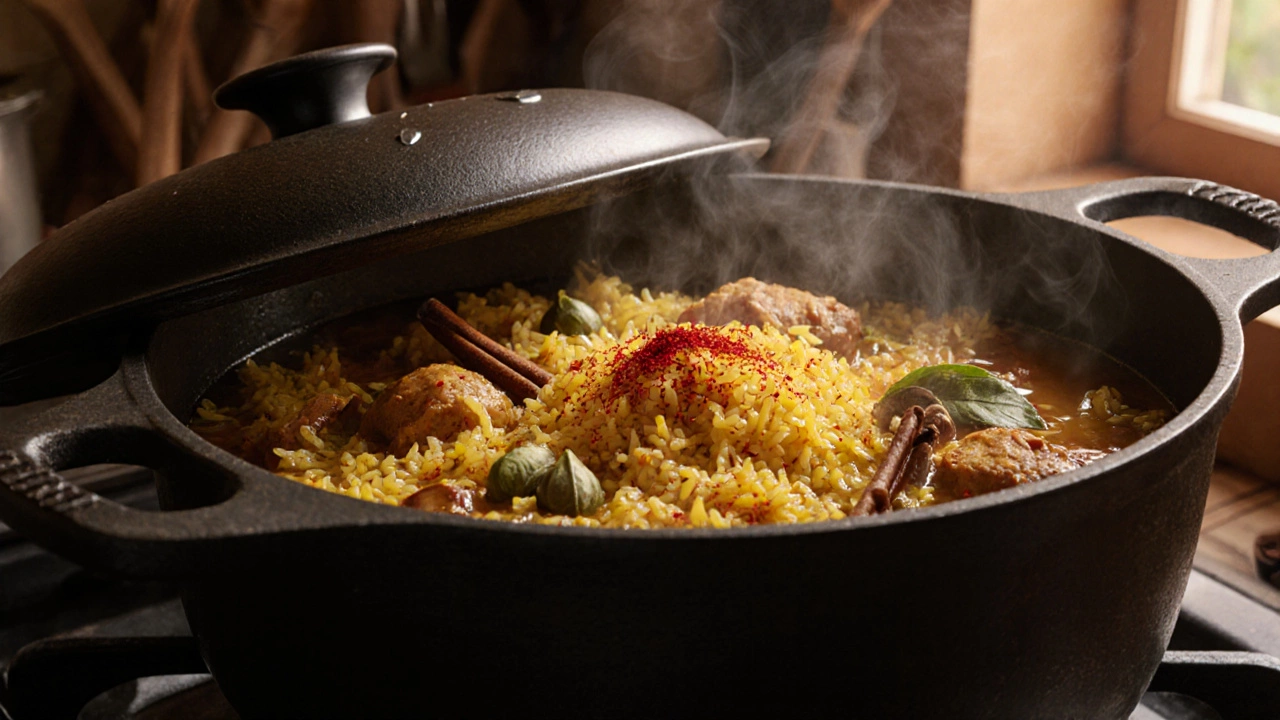
How to Balance Spice in Biryani - Simple Tips for Perfect Flavor
Learn practical ways to balance spice in biryani, from choosing the right chilies to quick fixes for overly hot dishes. Follow step‑by‑step tips for flawless flavor.
learn more