Biryani Spice Alternatives: Simple Swaps for Bold Flavor
When you're making biryani spice alternatives, substitutes for traditional whole spices used in South Indian rice dishes. Also known as biryani seasoning swaps, these replacements let you keep the depth and warmth of real biryani even when you're missing a key ingredient. You don’t need saffron, star anise, or dried rose petals to make a rich, aromatic biryani. What you need is understanding—knowing which spices can step in without wrecking the balance.
The heart of biryani isn’t one spice—it’s a team. garam masala, a blend of warm spices like cinnamon, cloves, cardamom, and black pepper used in Indian cooking is often the backbone. If you’re out of store-bought garam masala, you can build your own with what’s in your cupboard. Cinnamon sticks? Use a pinch of ground cinnamon. Green cardamom pods? Try a little ground cardamom, but cut the amount in half—it’s stronger. Black peppercorns? Ground black pepper works fine. The trick isn’t matching exactly—it’s matching the feeling. Biryani should smell like a slow-cooked hug, not a spice rack explosion.
Then there’s the cinnamon in biryani, the sweet, woody note that rounds out the heat and adds depth. Whole sticks are ideal because they release flavor gently during cooking. But if you only have ground cinnamon, use it sparingly. Too much turns biryani into dessert. A quarter teaspoon is enough for a pot serving four. Same with cardamom substitute, any spice that mimics the citrusy, floral warmth of green cardamom. Nutmeg? A tiny pinch. Allspice? Even less. These aren’t perfect matches, but they’re close enough to keep your biryani from tasting flat.
People think biryani needs fancy ingredients to be good. It doesn’t. It needs intention. The real secret isn’t in the spice jar—it’s in how you layer the flavors. Toast your spices before adding liquid. Let them bloom in oil. That’s where the magic starts. Even if you’re using ground spices instead of whole, that step makes all the difference. And if you’re out of cloves or bay leaves? Skip them. Don’t panic. Biryani has survived centuries without every single spice on the list. It’s flexible. It’s forgiving.
What you’ll find in the posts below aren’t perfect formulas. They’re real fixes from real kitchens—people who ran out of star anise, used up their saffron, or just didn’t want to run to the store. You’ll learn how to stretch your spices, how to adjust heat when you only have chili powder, and why lemon juice is the quiet hero that ties everything together. No fluff. No guesswork. Just what works, when you need it to work.
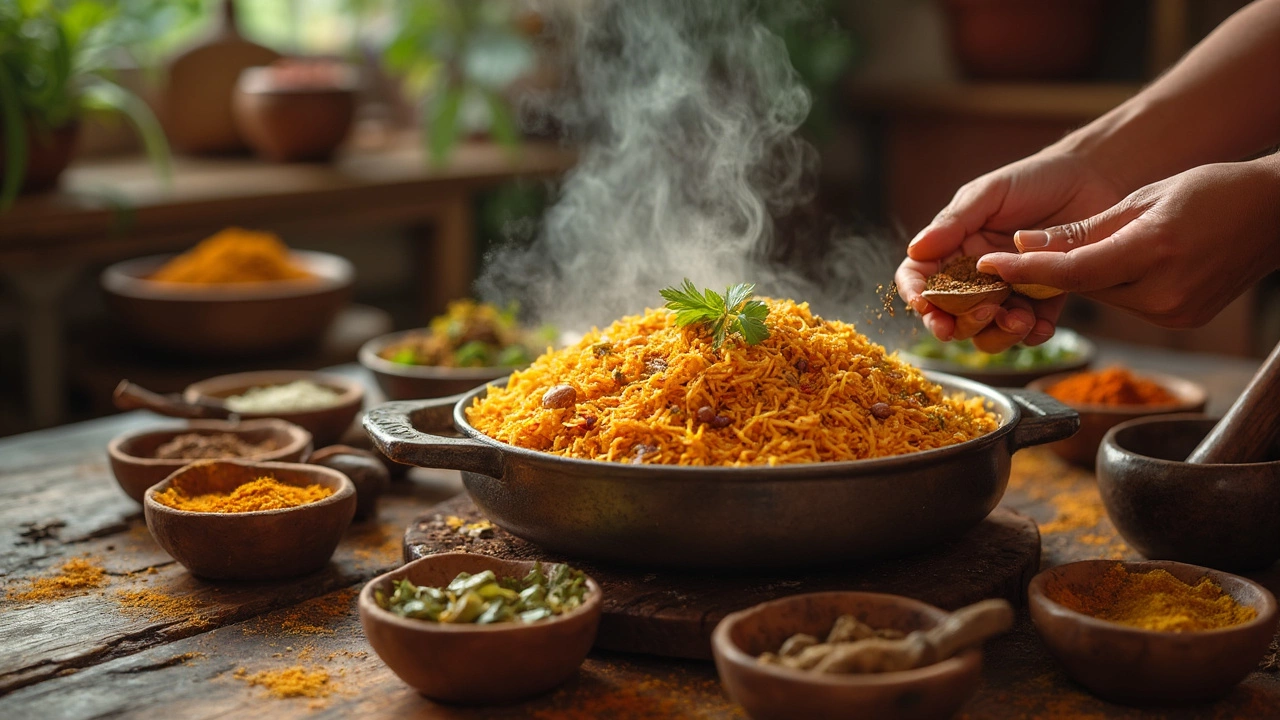
What Can I Use Instead of Garam Masala for Biryani? Easy Swaps for Big Flavor
Stuck without garam masala for your biryani? There are plenty of everyday spices that can save the day and still give you that tasty, aromatic kick. This article breaks down simple swaps and blends you can use, covering their flavors and how to mix them right. Learn a few secrets that home cooks use when their masala jar runs dry. Get practical and clear tips to make sure your biryani never loses its magic. You'll even pick up a couple of tricks to customize your flavor, just the way you like it.
learn more