Biryani Seasoning Tips: Master the Spice Blend for Perfect Flavor
When you think of biryani seasoning, a layered blend of whole and ground spices that defines the dish’s soul. Also known as biryani masala, it’s not just a mix—it’s the heartbeat of every good biryani. Skip the pre-made powders. Real flavor comes from toasting whole spices like cardamom, cloves, and cinnamon, then grinding them fresh. A pinch too much star anise or a missed bay leaf can throw off the whole pot. It’s not about using more spices—it’s about using them right.
Basmati rice, the long-grain rice that stays separate and fragrant after cooking needs the right seasoning to shine. If your spices are added too early, they burn. Too late, and they don’t infuse. The best trick? Bloom them in hot ghee or oil before adding the meat or vegetables. That’s when the oils release, and the aroma wakes up. Garam masala, a warm, finishing spice blend often added at the end isn’t the same as biryani seasoning—it’s the final touch, not the base. Confusing them is like adding salt after the soup’s done. You’ll taste it, but it won’t be in the soul of the dish.
People think biryani is all about heat, but it’s really about balance. The sweetness of saffron-soaked milk, the tang of lemon juice, the earthiness of cumin, the floral lift of rose water—each plays a role. One post in this collection explains why lemon isn’t just a garnish; it cuts through richness and keeps the rice fluffy. Another breaks down why parboiling rice for exactly 7-8 minutes matters more than you think. These aren’t random tips—they’re connected. The seasoning tells the rice when to stop cooking. The timing tells the spices when to bloom. The ghee tells the whole thing how to stick together.
You won’t find magic here. No secret family recipes. Just clear, tested steps that real cooks in Mysore use every day. If your biryani tastes flat, it’s not the meat. It’s the spice order. If it’s too oily, you didn’t toast the spices enough. If it smells good but tastes dull, you skipped the final sprinkle of garam masala. These are the tiny things that separate good from unforgettable.
Below, you’ll find real posts from people who’ve tried, failed, and fixed their biryani. No fluff. No theory. Just what works—when to add the saffron, how to layer the spices, why some swear by fried onions and others by dried mint. You’ll learn what not to do, what to double down on, and how to make your biryani taste like it came from a kitchen that’s been doing this for generations.
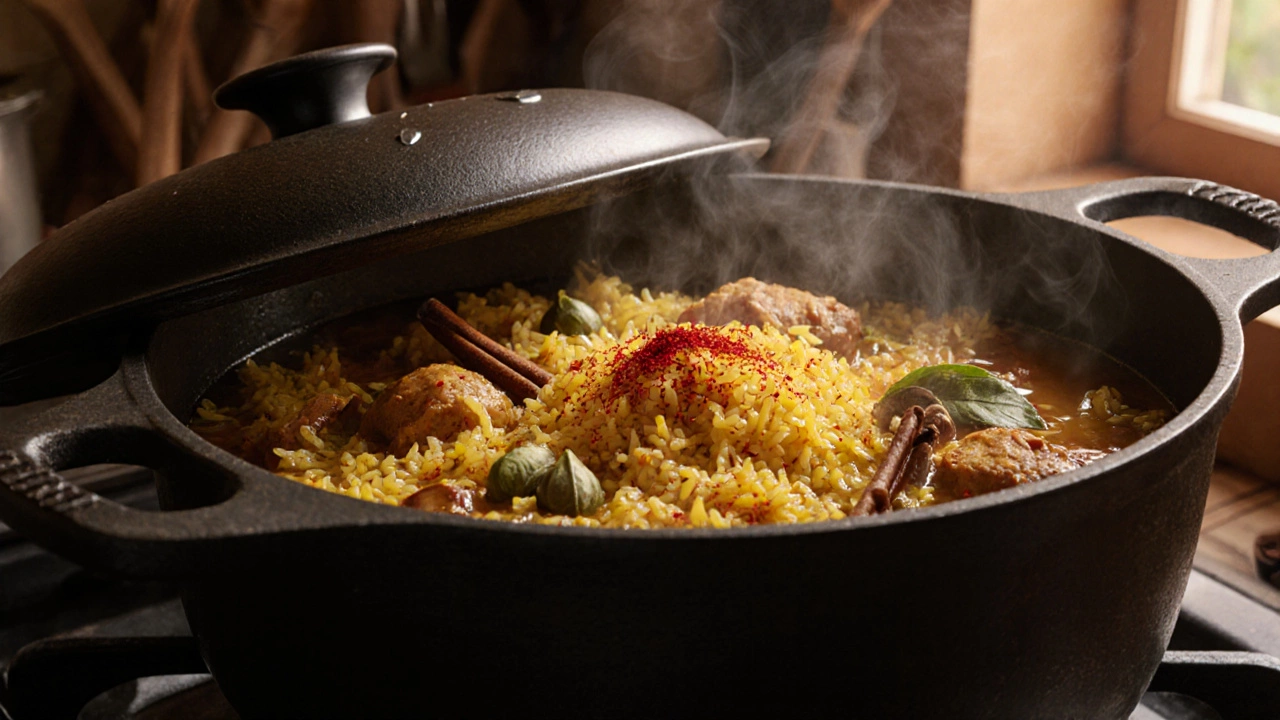
How to Balance Spice in Biryani - Simple Tips for Perfect Flavor
Learn practical ways to balance spice in biryani, from choosing the right chilies to quick fixes for overly hot dishes. Follow step‑by‑step tips for flawless flavor.
learn more