Biryani Rice Tips: Perfect Parboiling, Grain Separation, and Flavor Secrets
When you're making biryani rice, the partially cooked rice grains that form the base of every great biryani. Also known as parboiled basmati, it's not just rice—it's the backbone of flavor, texture, and aroma in every layer of this dish. Skip the right prep, and your biryani turns into a sticky mess. Get it right, and each grain stands tall, soaking up spices like a sponge while staying firm and fragrant.
The secret isn't in the spices—it's in the rice. Most people boil it too long and end up with mush. Others undercook it, leaving hard centers. The sweet spot? 7 to 8 minutes of parboiling in salted water, just until the grains are 70% cooked. That’s it. No more, no less. Too much water? The rice swells and bursts. Too little? It won’t absorb flavor later. And always use basmati rice, a long-grain variety native to the Indian subcontinent, prized for its aroma and ability to stay separate when cooked. Also known as Aromatic rice, it’s the only type that gives biryani its signature lift. Don’t substitute jasmine or short-grain rice—those will turn gummy. You also need cold water to rinse off excess starch before boiling. Skip this, and your rice clumps like glue.
Another thing no one talks about? The rice-to-water ratio, the exact amount of water needed to parboil biryani rice without overcooking. Also known as cooking liquid ratio, it’s not 1:2 like for regular rice—it’s closer to 1:1.5. Too much water, and the rice gets waterlogged before it even hits the pot. Drain it right after parboiling, spread it on a tray, and let it cool. This stops the cooking process and keeps grains separate. Add a pinch of salt, a splash of lemon juice, or even a bay leaf to the boiling water. These aren’t extras—they’re flavor carriers that stick to the rice and amplify the spices later. And don’t forget the dum cooking method, the slow, sealed steam technique that finishes biryani and lets rice absorb all the layered flavors. Also known as slow-steaming, it’s why the rice at the bottom tastes different from the top. The rice you parboil just right becomes the canvas for everything else.
These aren’t opinions—they’re the steps used in homes across Mysore, Hyderabad, and Lucknow. The difference between good biryani and great biryani? It’s all in the rice. No fancy tools. No secret spices. Just timing, technique, and the right grain. Below, you’ll find real-tested tips from people who’ve made this dish hundreds of times—how to fix soggy rice, why lemon helps, how long to boil it, and what happens when you skip the rinse. No fluff. Just what works.
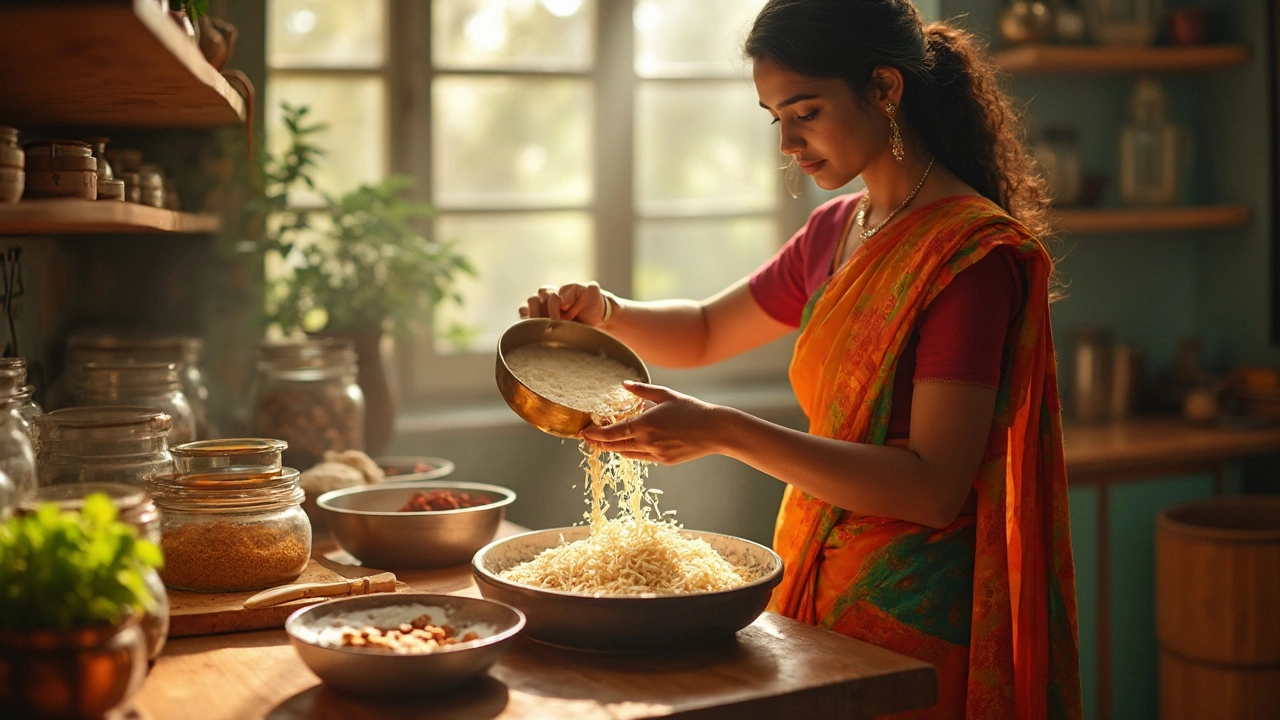
How Long Should I Soak Basmati Rice Before Cooking? Get Perfect Biryani Every Time
Wondering if soaking basmati rice really makes a difference? This article explains exactly how long you should soak it for biryani, why it matters, and what to expect if you skip the step. Learn science-backed tips to avoid mushy or clumpy rice, and find out a few hacks when you’re short on time. Master your rice texture for biryani—never guess again about soaking times.
learn more