Biryani Masala Substitute: Best Alternatives and How to Use Them
When you need biryani masala, a pre-mixed spice blend used to flavor layered rice dishes like biryani, typically containing cardamom, cloves, cinnamon, bay leaves, and black pepper. Also known as biryani powder, it’s the secret behind that deep, warm, slightly sweet aroma that makes biryani unforgettable. But what if you’re out of it? Or maybe you’ve never bought it because it’s hard to find outside India? You don’t need to panic. You can make a better substitute at home with spices you likely already have.
The real trick isn’t just copying the blend—it’s understanding what biryani masala does. It doesn’t just add heat. It layers fragrance: the earthiness of cumin, the sweetness of cinnamon, the floral punch of cardamom, the smokiness of cloves. These aren’t random spices. They’re a system. That’s why garam masala, often suggested as a replacement, isn’t enough on its own. Garam masala is finished with heat; biryani masala is built for slow cooking. It needs more depth. A good substitute starts with garam masala (about 2 tablespoons), then adds a teaspoon each of ground cumin, coriander, and a pinch of nutmeg or mace. Throw in a few crushed green cardamom pods if you have them. That’s your base.
And here’s the part most people miss: biryani masala substitute isn’t just about spices. It’s about balance. Biryani gets its soul from layering—raw spices fried in ghee, then slow-cooked with rice and meat. If you skip the step of blooming your spices in oil first, even the best blend will taste flat. Toast your substitute in hot ghee for 30 seconds before adding liquid. Let it release its oils. That’s when the magic happens. You’ll smell the difference. Your kitchen will fill with the same scent that comes from a Mysore kitchen on a Sunday afternoon.
Some people reach for curry powder as a shortcut. Don’t. Most curry powders are designed for British-style curries—milder, more turmeric-heavy, and often include fenugreek, which can overpower biryani. It’s a different flavor profile. Stick to whole spices you can crush yourself. Even if you only have cumin, coriander, cinnamon, and black pepper, you can build something real. Add a bay leaf while cooking. A few whole cloves. That’s enough.
What you’ll find below are real, tested fixes from people who’ve run out of biryani masala mid-cook. One person swapped it with a mix of five spices from her pantry and got compliments from her in-laws. Another used leftover garam masala with extra cardamom and got her biryani just right on the third try. These aren’t theories. They’re kitchen hacks that work. You’ll see how to adjust for heat, how to fix blandness, and why timing matters more than the exact spice ratio. No fancy tools. No trips to the store. Just your stove, your spices, and a little know-how.
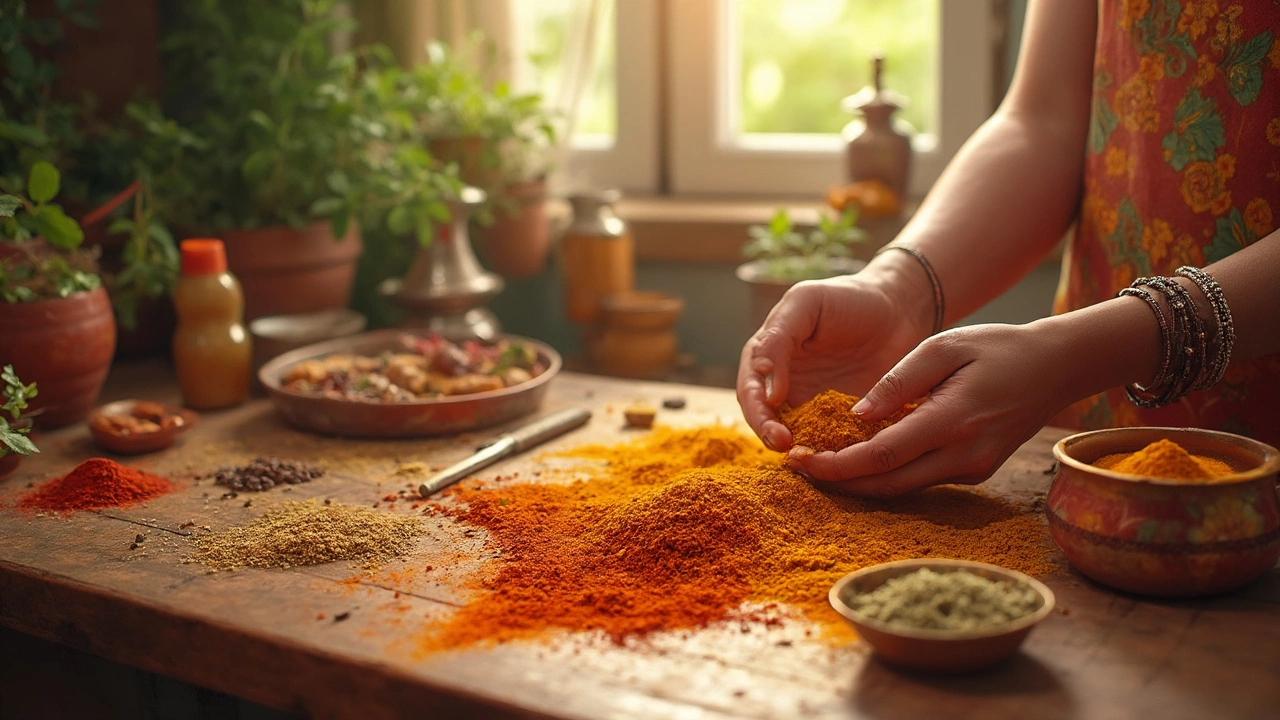
Substitute for Biryani Masala: Your Handy Guide
Stuck without biryani masala? Don't worry! This article offers a detailed guide on how to create your own substitute for biryani masala using common spices you probably have at home. You'll learn what essential flavors are needed to bring that authentic taste right to your kitchen. So, gear up to mix, match, and master your spice blend!
learn more