Biryani Masala: The Spice Blend That Makes Biryani Unforgettable
When you think of biryani masala, a proprietary blend of ground spices used to flavor layered rice dishes in South Asian cooking. Also known as biryani powder, it’s not just a mix—it’s the soul of the dish. Skip it, and your biryani tastes like plain rice with meat. Add it right, and every grain sings with warmth, depth, and aroma. This isn’t store-bought curry powder. It’s a carefully balanced combination of whole spices toasted, ground, and sometimes roasted again—each one chosen for how it behaves under heat and steam.
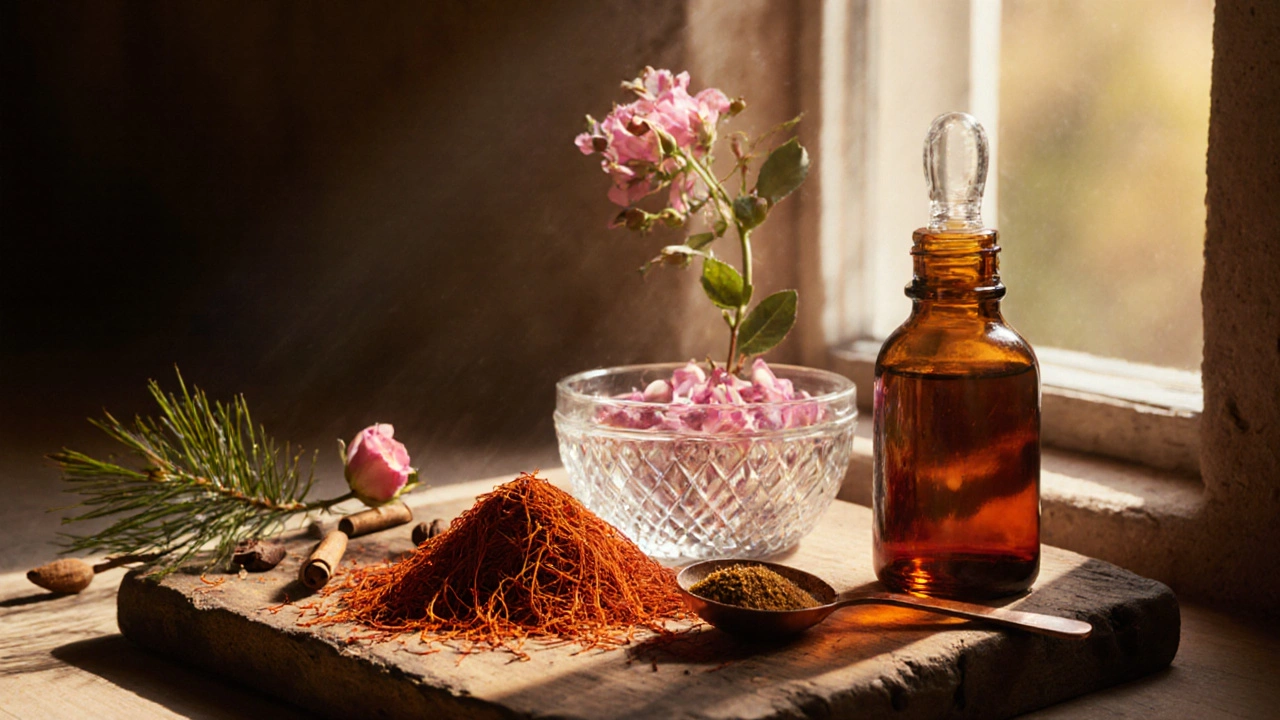
What’s actually in it? garam masala, a warming Indian spice blend typically including cinnamon, cardamom, cloves, and black pepper is often part of the base, but biryani masala goes further. It adds star anise, fennel seeds, mace, nutmeg, and sometimes dried rose petals or saffron. These aren’t random additions—they’re there to cut through fat, lift the meat’s richness, and cling to rice during the slow dum cook. Unlike curry powder, which is meant for quick stews, biryani masala is built for layering. It needs time to bloom in hot oil before rice and meat go in. That’s why recipes stress frying the masala slowly, not tossing it in at the end.
And it’s not just about flavor—it’s about texture and tradition. In Mysore, cooks often use a touch of Kashmiri chili for color without overwhelming heat. In Hyderabad, they might add a pinch of dried mint. These small shifts define regional styles, but the core stays the same: biryani masala must be bold enough to stand up to slow-cooked meat and fragrant enough to linger after the last bite. It’s the reason your grandmother didn’t just dump spices into the pot. She toasted them. She smelled them. She adjusted them by feel, not by spoon.
You’ll find this blend referenced in nearly every biryani recipe here—whether it’s about how long to boil the rice, why lemon matters, or how to balance spice without burning the dish. You won’t find a single post that treats biryani masala as an afterthought. That’s because it’s not. It’s the foundation. And if you’ve ever wondered why your biryani tastes flat, even when you followed the recipe, the answer is almost always here: your masala wasn’t right.
Below, you’ll find real, tested advice from people who’ve burned batches, fixed mushy rice, and learned the hard way that spice ratios matter. Whether you’re new to biryani or you’ve been making it for years, these posts will show you what to look for, what to avoid, and how to make your own blend from scratch—no fancy tools needed. Just patience, a mortar and pestle, and the right spices.
Which Essence Gives Biryani Its Signature Flavor?
Discover which essences create biryani's signature aroma, how to make your own blend, storage tips, and common mistakes to avoid for perfect biryani flavor.
learn more