Biryani Ingredients: What You Really Need for Authentic Flavor
When you think of biryani ingredients, the core components that define the layered, aromatic rice dish from South India. Also known as hyderabadi biryani, it’s not just rice and meat—it’s a carefully balanced system of spices, grains, and techniques that turn simple elements into something unforgettable. Skip the pre-mixed powders. Real biryani starts with whole spices toasted in ghee—cinnamon sticks, cardamom pods, cloves, and bay leaves—that release their oils slowly, building depth you can’t fake.
The basmati rice, a long-grain rice native to the Indian subcontinent, prized for its fragrance and ability to stay separate when cooked isn’t just boiled—it’s parboiled for exactly 7 to 8 minutes, then drained and layered with marinated meat. Too long, and it turns mushy. Too short, and it stays hard in the final dum. Then there’s yogurt, used to tenderize meat and balance heat without overpowering. It’s not optional. Skip it, and your chicken or lamb loses its tenderness. Saffron threads soaked in warm milk? That’s not decoration—it’s the soul of the dish. A few strands give color, aroma, and a subtle sweetness that ties everything together.
People think biryani is about spice levels, but it’s really about harmony. The heat from dried red chilies, the earthiness of turmeric, the warmth of cumin and coriander—all need room to breathe. That’s why you don’t just dump everything in. You toast the whole spices first. You fry onions until they’re caramelized, not burnt. You layer the rice and meat like a sandwich, then seal it with dough or a lid for slow steam cooking. It’s not fast. But the result? A dish where every bite tells a story.
What you won’t find in a good biryani? Pre-ground garam masala stirred in at the end. No canned tomatoes. No artificial food coloring. Just real ingredients, treated with care. That’s why you’ll see the same core elements across recipes from Mysore to Hyderabad. They’re not random. They’re tried. They’re tested. They work.
Below, you’ll find real guides from people who’ve made this dish hundreds of times—how to pick the right rice, when to add lemon juice, why saffron can’t be replaced, and how to fix a bland batch without starting over. No fluff. Just what matters.
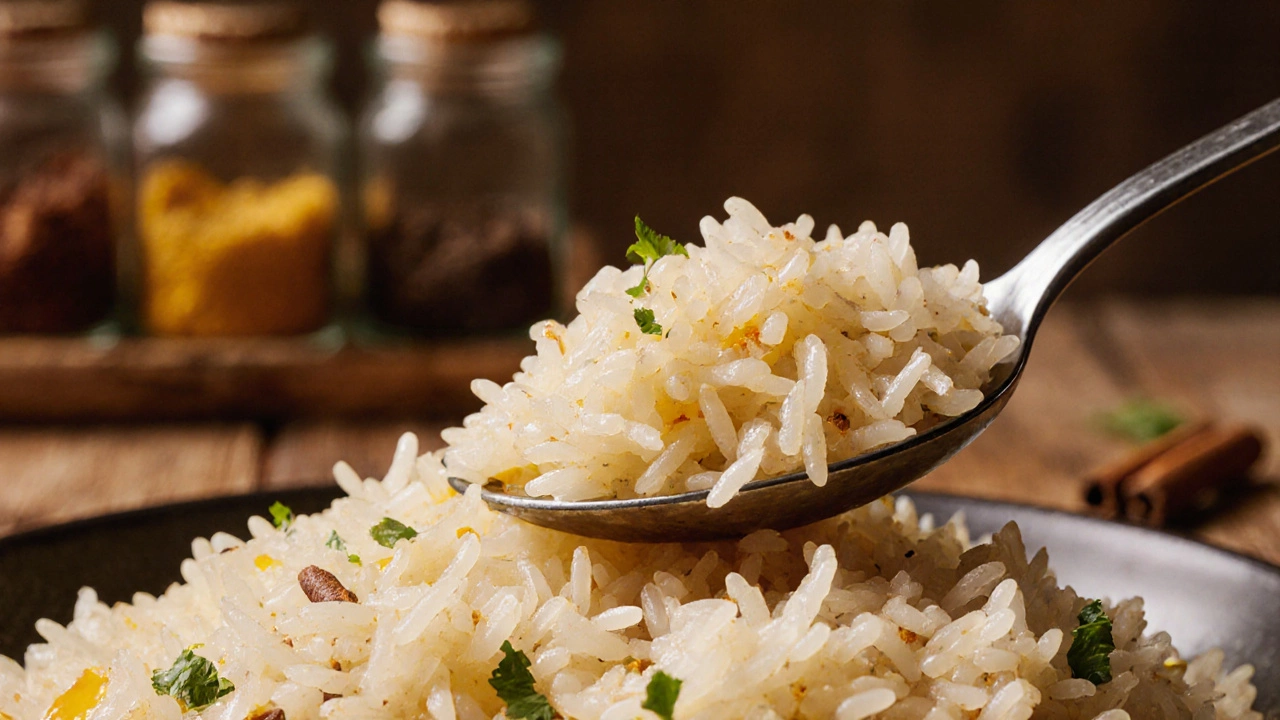
Why Biryani Tastes So Amazing - The Science Behind Its Flavor
Discover the science behind biryani's unforgettable flavor - from aromatic basmati rice and ghee to spice blends, dum cooking, and finishing touches.
learn more