Biblical Diet: What Foods Were Really Eaten in Ancient Times
When people talk about the biblical diet, a way of eating based on foods mentioned in the Bible, often linked to ancient Middle Eastern traditions. Also known as Mediterranean diet of antiquity, it isn't a modern fad—it's a reflection of what people in Israel, Egypt, and Mesopotamia ate daily for thousands of years. This wasn’t about restriction. It was about survival, seasonality, and simplicity.
The core of this diet was grains—barley and wheat—ground into flour for bread, the most common food on every table. Lentils and chickpeas were the protein backbone, boiled into stews or mashed into dips. Olives were pressed for oil, used for cooking, lighting, and even anointing. Figs, dates, and pomegranates sweetened meals naturally. Dairy came from goats and sheep, turned into cheese and yogurt. Fish from the Sea of Galilee showed up often, especially during fasting periods. Meat? Rare. Reserved for celebrations, sacrifices, or the wealthy. No processed sugar. No industrial oils. No packaged snacks. Just what the land gave and the seasons allowed.
This way of eating wasn’t just practical—it shaped health. People lived long lives with few chronic diseases, not because they followed a rulebook, but because their food was whole, unaltered, and tied to the rhythm of the earth. The biblical foods, the real ingredients used in daily meals during biblical times were the same ones still used in rural parts of the Middle East today. And they’re the same ones that show up in modern research as anti-inflammatory, gut-friendly, and nutrient-dense.
You won’t find steak and wine feasts in most biblical accounts. You’ll find barley loaves, lentil soup, honey-drizzled figs, and flatbread dipped in olive oil. The biblical eating habits, the daily patterns of food consumption described in ancient texts were shaped by scarcity, faith, and local harvests—not by trends or calories. This diet didn’t need a name. It just was.
What you’ll find below isn’t a list of rules to follow. It’s a collection of real, practical cooking insights from a culture that ate this way for millennia. From how to ferment grains like the ancients did, to why lentils were never eaten raw, to how olive oil was used in every meal—you’ll see how these ancient practices still work today. No magic. No gimmicks. Just food that lasted, fed families, and kept people strong.
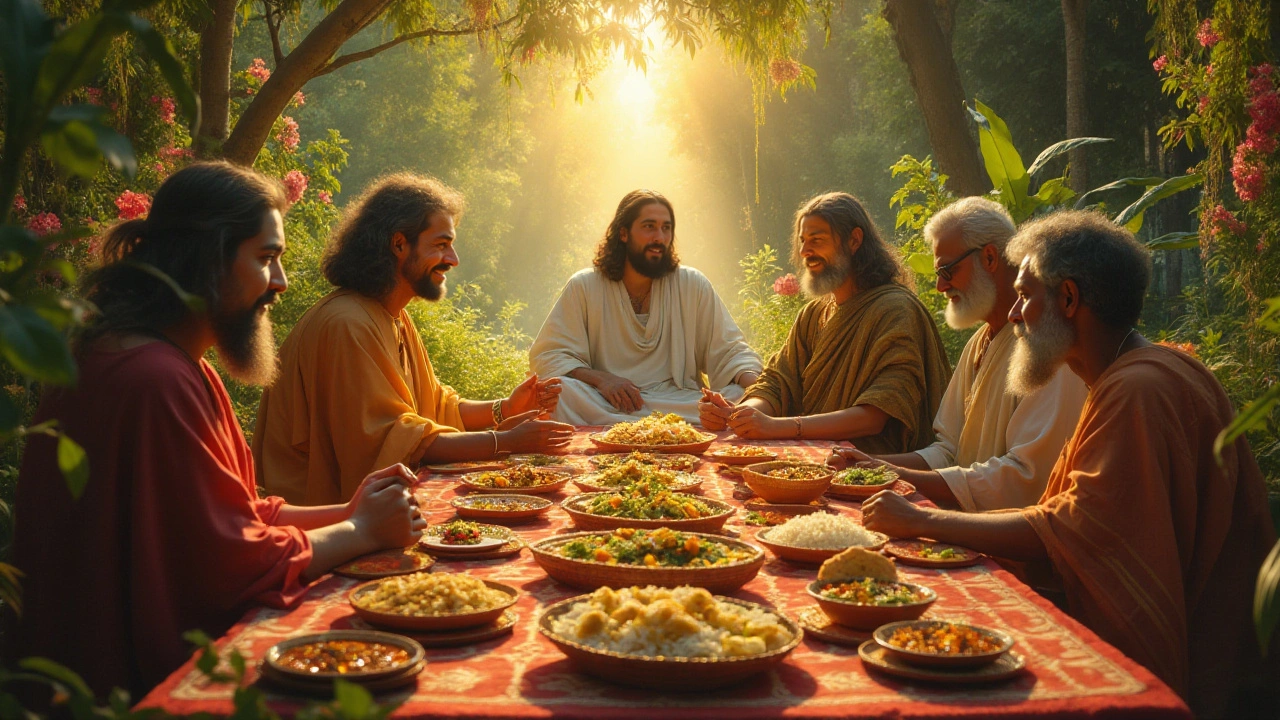
Exploring the Vegetarian Debate Around Jesus and Indian Dishes
The question of whether Jesus was vegetarian has intrigued many, sparking debates and discussions among historians and theologians. There are no direct references in religious texts, leading to varied interpretations of His dietary lifestyle. This article delves into this thought-provoking topic while introducing several delightful vegetarian Indian dishes. Learn about the possible connections between spirituality and vegetarianism, along with interesting culinary insights.
learn more