Best Flour for Indian Cooking: What Works for Dosa, Roti, and More
When it comes to flour, a ground powder made from grains, legumes, or seeds used as a base for breads, batters, and snacks in Indian kitchens. Also known as atta, it’s not just a pantry staple—it’s the foundation of daily meals across India. The kind of flour you use changes everything: the crispness of your dosa, the softness of your roti, even how well your batter ferments. This isn’t about fancy brands or organic labels—it’s about matching the right flour to the dish.
For dosa batter, a fermented mixture of rice and urad dal used to make thin, crispy South Indian pancakes, you need rice flour that’s finely milled and low in starch. Too much starch? Your dosa turns sticky. Too coarse? It won’t spread. And for roti, a simple whole wheat flatbread eaten daily in homes from Punjab to Tamil Nadu, you need high-protein atta—something that holds together when rolled thin but stays soft when hot. Regular all-purpose flour? It won’t cut it. It lacks the gluten structure and fiber that make roti chewy yet tender.
Flour isn’t just about texture—it’s about tradition. In Mysore, households still stone-grind their own rice and urad dal for dosa batter, because store-bought pre-mixed flour often has additives that mess with fermentation. The same goes for chappati, a thicker, softer version of roti, often made with the same whole wheat atta. If your flour is too fine or too bleached, your chappati won’t puff up right. And let’s not forget the role of urad dal flour, a protein-rich powder made from black gram, used in snacks and batters for extra crispness. It’s not always listed on packaging, but it’s the secret behind why some dosas stay crispy for hours.
You don’t need a specialty store to find the right flour. Look at the label: Is it 100% whole wheat? Is it stone-ground? Is it labeled for dosa or roti? Skip anything that says "enriched" or "bleached." Real Indian cooking doesn’t need chemicals—it needs grain. The posts below show you exactly which flours work for which dishes, how to test your flour at home, and why some brands fail even when they look right. Whether you’re troubleshooting a soggy dosa or trying to make your roti puff like your grandma’s, the answer starts with the flour in your bowl.
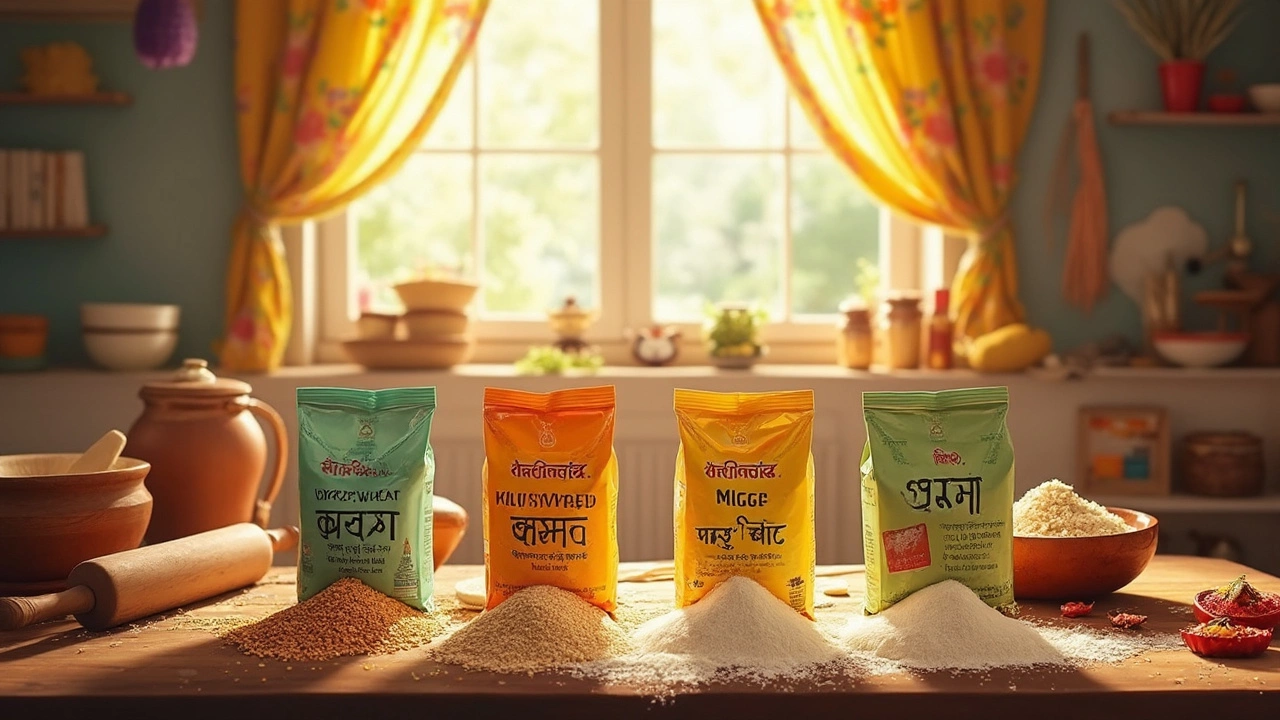
Best Flour for Roti: A Practical Guide
Choosing the right flour can make all the difference in your roti-making experience. From traditional whole wheat to gluten-free options, each type of flour brings unique qualities to your dough. Understanding the properties of different flours can help you achieve the perfect texture for your rotis. Knowing what works best with your cooking style and taste preferences is key. Let's explore which flour suits your roti-making needs.
learn more