Basic Indian Meal: What Makes a Traditional South Indian Plate Complete
When people think of Indian food, they often imagine rich curries and spicy biryanis. But for most Indians, the basic Indian meal, a simple, balanced plate of rice, lentils, vegetables, and chutney eaten daily across homes in South India. Also known as south Indian thali, it’s the foundation of everyday eating—not a special occasion dish, but the rhythm of life. This isn’t about luxury. It’s about nutrition, tradition, and flavor built layer by layer, without fancy tools or expensive ingredients.
The dal, a humble lentil stew cooked with turmeric, cumin, and curry leaves, often served as the protein base is the heart of this meal. It’s not just food—it’s comfort. Paired with rice, usually steamed basmati or local short-grain varieties, cooked just until tender and fluffy, it creates a complete protein. Add a spoon of chutney, a tangy, spicy condiment made from coconut, tamarind, or tomato, used to cut through richness and awaken the palate, and you’ve got balance. No meat needed. No fancy garnish. Just food that sticks to your ribs and your memory.
People ask why this meal lasts for generations. It’s because it’s designed for the body and the day. Rice gives energy. Dal rebuilds muscle. Chutney aids digestion. A side of pickled mango or a crisp dosa, a fermented rice-and-lentil crepe often eaten for breakfast but sometimes served with lunch adds texture and crunch. This plate doesn’t change much from village to city, from morning to night. It’s the same in Mysore homes as it is in Chennai, in the monsoon as in the dry season.
What you won’t find in this meal? Overcomplication. No 10-spice blends stirred in at the last minute. No imported ingredients. Just what grows nearby, what’s fermented naturally, what’s cooked in clay pots or stainless steel. The magic isn’t in the recipe—it’s in the repetition. The same bowl, same rhythm, same flavors, day after day. That’s why when you taste it, it feels like home—even if you’ve never been to India.
Below, you’ll find real guides from real kitchens—how to fix soft dosa batter, why lemon belongs in biryani, what makes curry taste like curry, and how to eat chutney with everything from cheese to idli. These aren’t fancy food blogs. These are the questions people ask when they try to recreate this meal at home. And the answers? They’re simple. Just like the plate itself.
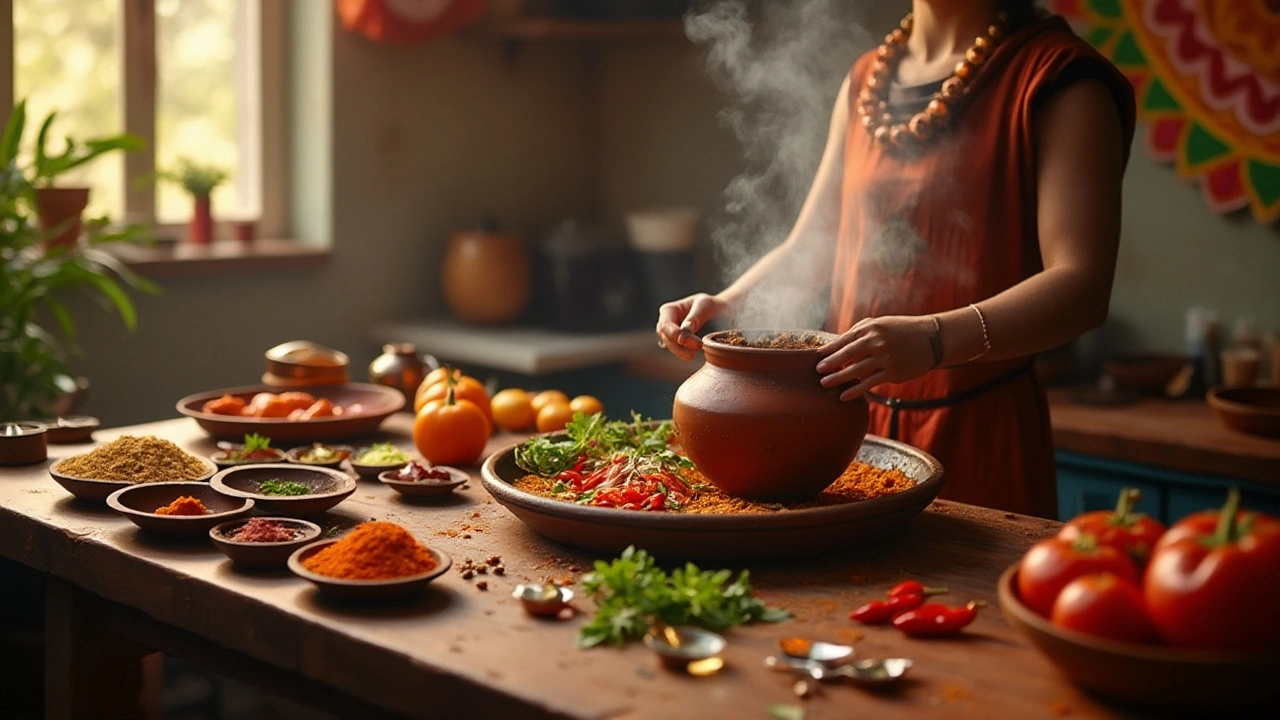
Essential Elements of a Basic Indian Meal: Easy Home Recipes
Delve into the vibrant and aromatic world of Indian cuisine by understanding the components of a basic Indian meal. Indian meals are a symphony of flavors, textures, and colors, often centered around rice or flatbreads, accompanied by a variety of vegetarian and non-vegetarian dishes. This article will guide you through the preparation of simple Indian dishes that capture the essence of this diverse cuisine. Learn how to create your own aromatic and flavorful Indian meal effortlessly at home.
learn more