Banned Meats in India: What You Can't Eat and Why
When it comes to food in India, what you can't eat is often as important as what you can. The idea of banned meats in India, meats prohibited due to religious, cultural, or legal reasons across different regions of the country isn't about scarcity—it's about deep-rooted beliefs. In many parts of India, eating beef is legally restricted or socially unacceptable because cows are considered sacred in Hinduism, which is followed by over 80% of the population. This isn't just a tradition—it's enforced by law in more than half the states, with penalties ranging from fines to jail time in extreme cases.
Then there's pork. While not banned nationwide, it's avoided by large communities, especially Muslims, who follow Islamic dietary laws. In areas with high Muslim populations, you won't find pork in local markets or restaurants—not because it's illegal, but because it's simply not part of the culture. Even in places where it's available, many Hindus avoid it due to longstanding customs. These aren't random rules; they're part of a larger system where food, identity, and faith are tied together. You'll also find that some regions, like Kerala or Goa, have different norms altogether, where pork and beef are commonly eaten by Christian and other minority communities. This means religious food laws, dietary restrictions based on religious doctrine that shape regional eating habits in India vary dramatically from state to state, and even village to village.
What’s missing from most discussions is how these bans affect everyday life. If you're cooking at home in Uttar Pradesh, you won't find beef in your fridge. If you're ordering food in Bangalore, you might have to ask if a dish contains pork before you eat it. Even restaurants label their menus carefully: "Vegetarian," "Non-Vegetarian," and sometimes "Pork-Free" or "Beef-Free" to avoid confusion. This isn't just about religion—it's about respect, safety, and avoiding offense. And while some people argue these bans are outdated, they persist because they reflect how millions choose to live, not just what they eat. The meat restrictions in India, regional and cultural limits on consumption of specific animal meats, often tied to religious identity aren't about control—they're about belonging.
What you'll find in the posts below isn't a list of banned items—it's a deeper look at how food rules shape cooking, shopping, and dining across India. From why tandoori chicken uses yogurt instead of vinegar to why dosa batter ferments overnight, every recipe you see here was written with these unspoken rules in mind. You won't find beef in any biryani here, or pork in any curry. That's not a limitation—it's the reality of Indian kitchens. And if you want to cook like someone from Mysore, you need to understand what's off the table before you even pick up a spoon.
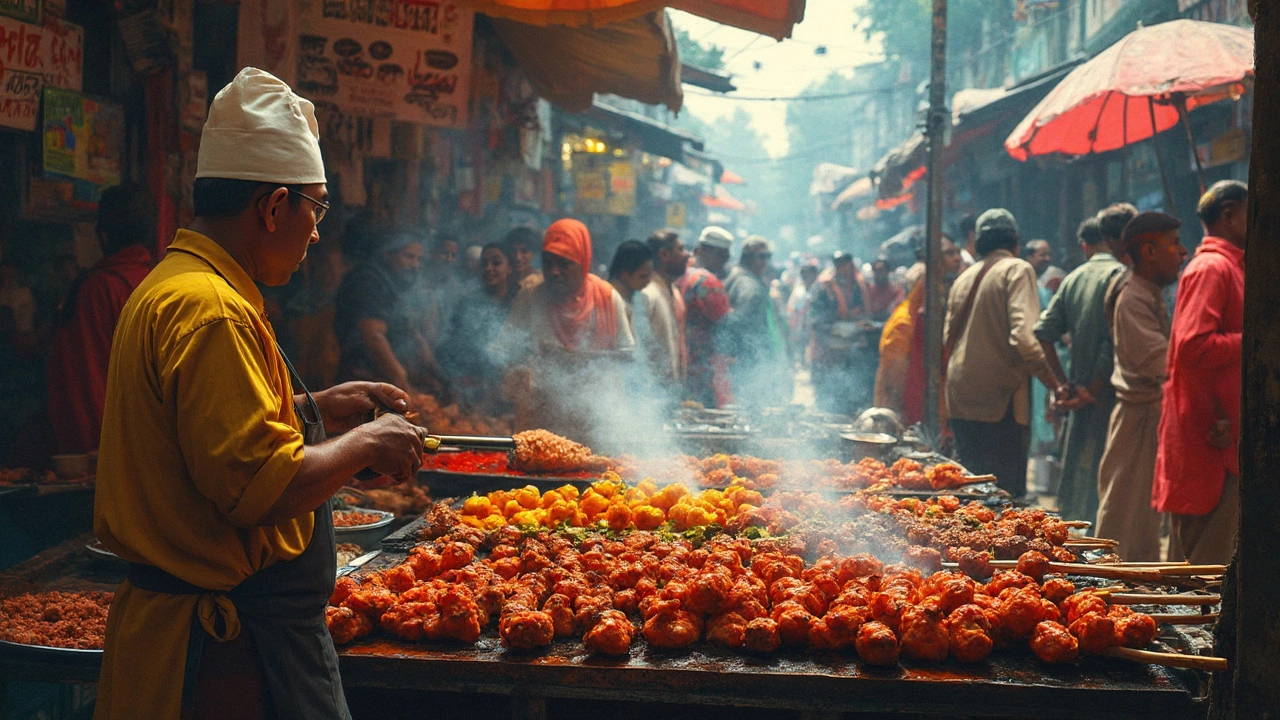
Banned Meats in India: What You Need to Know
India's flavorful street food often includes a wide variety of meats, but not all are legal to sell or consume. Beef is the most well-known banned meat in many Indian states, driven by cultural and religious beliefs. The complex regulations around meat can vary significantly from one state to another, making it essential to know the local laws. This article dives into the banned meats across India and how they influence the vibrant street food scene.
learn more