Baking Tips for Authentic South Indian Recipes
When we talk about baking tips, practical methods to improve texture, flavor, and consistency in traditional Indian cooking. Also known as cooking techniques for Indian staples, it's not just about ovens—it's about mastering the science behind fermentation, heat control, and ingredient balance. Think of dosa batter, idli steam, or even the way you mix spices for a curry base. These aren’t random steps. They’re precise, time-tested actions that turn ordinary ingredients into something unforgettable.
One of the biggest misunderstandings is thinking baking tips only apply to cakes and cookies. In South Indian kitchens, fermentation, the natural process where bacteria and yeast break down sugars to create airiness and tang is the real magic. It’s what makes your dosa crisp, your idli fluffy, and your batter smell like morning in Mysore. Get this wrong—too cold, too short, too much water—and no amount of oil or ghee will save you. The same goes for curry spices, the layered blend of turmeric, cumin, mustard seeds, and curry leaves that build depth without heat. Adding them at the wrong time? You’ll taste bitterness instead of warmth. Timing isn’t optional—it’s the backbone of every dish.
You’ll find posts here that cut through the noise. No fluff. Just clear fixes: why your dosa stays soft, how to tell if your batter is ready, what happens when you skip soaking urad dal, and why lemon in biryani isn’t just a garnish. These aren’t theories. They’re results from kitchens where people cook daily, not just on weekends. Whether you’re struggling with spongy idlis or a curry that tastes flat, the answers are here. You’ll learn what works, what doesn’t, and why. No fancy tools needed. Just patience, observation, and a little respect for the process.
Below, you’ll find real fixes from real cooks—people who’ve burned the first batch, fermented too long, and learned the hard way. Every tip here comes from someone who’s stood in front of a hot tawa, scraped off a failed dosa, and tried again. That’s the kind of knowledge that sticks. Let’s get you there too.
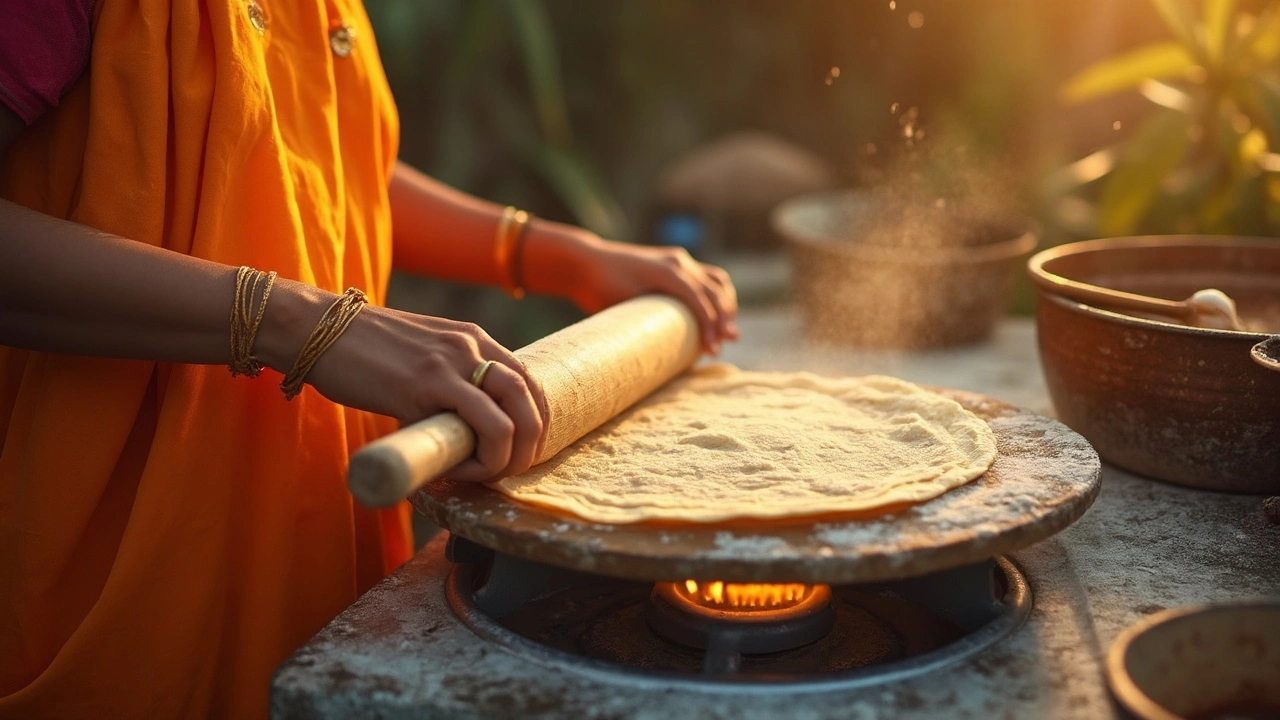
Which Gas Makes Roti Fluffy? Roti Science, Explained Simply
Ever wondered why some rotis puff up perfectly while others stay flat? This article digs into the science behind what really makes roti fluffy. Find out which gas is at play and how simple tweaks in your kneading and cooking steps can make a big difference. No jargon, just straightforward tips that work in any home kitchen. Perfect for anyone who wants soft, puffed rotis every time.
learn more