Aromatic Spices: The Heart of Mysore's Flavor
When you think of aromatic spices, a blend of ground seeds, roots, and fruits that release powerful scents and flavors when heated. Also known as whole spices, they’re the quiet heroes behind every great Indian dish. In Mysore, they don’t just season food—they build its soul. These aren’t random additions. They’re carefully chosen, toasted, ground, and layered to create depth you can’t get from a jar of pre-mixed curry powder.
Take turmeric, a bright yellow root with anti-inflammatory power and a slightly bitter, earthy taste. It’s in almost every dal, curry, and rice dish here—not just for color, but because it balances heat and lifts other flavors. Then there’s garam masala, a warm, complex spice blend typically including cinnamon, cardamom, cloves, and black pepper. It’s added at the end of cooking, like a final whisper of fragrance. You’ll find both in posts about biryani, chicken curry, and even dosa batter, where even a pinch changes everything.
These spices aren’t just ingredients—they’re tools. Toasting cumin seeds releases oil that carries flavor into the oil. Crushing cardamom pods before adding them lets the inner seeds bloom. Skipping these steps? You’ll taste the difference. That’s why the posts here dig into the why behind each step: why lemon is added to biryani to cut through spice, why coconut milk curdles if added too fast, why blending onions changes curry texture. It’s all connected to how spices behave.
You won’t find magic tricks here. No secret ingredients. Just real, tested ways to use what’s already in your pantry. Whether you’re fixing a soft dosa, balancing heat in a curry, or trying to understand why your chutney tastes flat, the answer often starts with how you handled the spices. And if you’ve ever wondered what makes Indian food smell so good? It’s not one spice. It’s the way they work together—layered, timed, and treated with respect.
Below, you’ll find real fixes, real explanations, and real recipes from kitchens that have been doing this for generations. No fluff. Just what works.
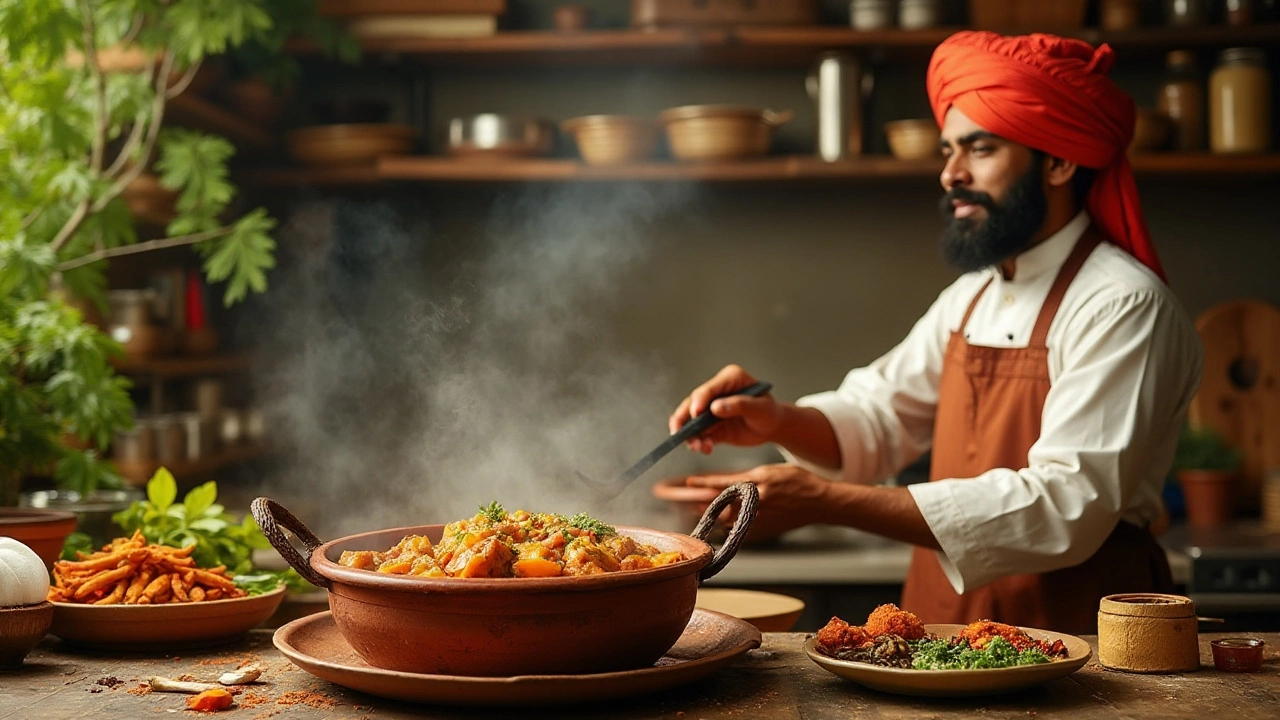
Exploring Garlic Substitutes in Indian Chicken Curry Recipes
Indian cuisine, known for its rich tapestry of flavors, often relies on garlic to provide depth to chicken curry dishes. However, there are occasions when garlic is avoided due to dietary, cultural, or health reasons. This article explores the intriguing world of garlic substitutes in Indian cooking. It offers insights into various spices and ingredients that can provide a similar aromatic profile, ensuring that your chicken curry remains flavorful and fragrant without the use of garlic.
learn more